We tend to think of neurodivergence as a human trait, but could it affect animals, too?

Scientists now believe dogs can show signs that closely resemble human ADHD. A new diagnostic system developed by researchers in Hungary and detailed in the medical journal Scientific Reports is helping vets and behaviour experts identify dogs that struggle with hyperactivity, impulsivity, and attention problems. It’s not a full medical diagnosis yet, but it’s a big step towards understanding why some dogs can’t seem to sit still, no matter how hard they try.
Dogs can now be screened for ADHD-like behaviour.

The new tool, called the Dog ADHD and Functionality Rating Scale (DAFRS), lets owners and vets measure attention and activity levels in dogs. It asks questions about how easily the dog gets distracted, how often it fidgets, and whether it can stay focused during training. It then checks whether those behaviours actually affect the dog’s daily life.
Unlike casual observation, this method turns owner reports into measurable data. It gives scientists a structured way to study why some dogs behave as if they’re constantly switched on.
A small percentage of dogs show clear symptoms.

In one large study of nearly 1,900 family dogs, around four per cent met the criteria for ADHD-like behaviour. These dogs scored high for both restlessness and impulsivity, and their behaviour caused practical problems for their owners, like poor training progress or constant destruction at home.
That might sound like a small number, but it’s similar to ADHD rates in humans. It suggests that this condition, or something like it, might genuinely exist in animals rather than being a training issue alone.
The behaviours mirror human ADHD.

The system focuses on three main traits: inattention, impulsivity, and hyperactivity. Dogs that fit this pattern find it hard to stay still, switch tasks too quickly, and act without thinking. They might ignore commands, lose focus mid-task, or react instantly to small distractions.
These traits aren’t just about being high-energy. What sets them apart is that they cause real interference with the dog’s ability to learn or live calmly day to day.
It’s based on human diagnostic methods.

The researchers used the same framework used to assess ADHD in humans. The difference is that, for dogs, the feedback comes from owners rather than self-reports. It’s about whether the dog’s behaviour affects function. For example, struggling to rest or to interact normally with people and other pets.
This link between human and canine behaviour helps scientists test how much of ADHD’s biology is shared across species. Dogs may provide clues about the condition that humans can’t study ethically in people.
It’s a screening system, not a diagnosis.

The DAFRS is designed to flag dogs that might have ADHD-like traits. It doesn’t replace professional evaluation or mean a dog “has ADHD” in a clinical sense. The goal is to identify patterns early so that training and lifestyle adjustments can help the dog function better. Experts stress that this system isn’t meant for casual labelling. It’s a research tool that could eventually lead to more precise diagnoses in the future.
This could change things for dog owners.

Many owners describe their dogs as “untrainable” or “too excitable”, when the real issue might be rooted in their brain chemistry. Understanding that some dogs think and react differently can stop owners from blaming themselves or resorting to harsh methods. Instead, these findings encourage more patience, structured routines, and mental challenges. Recognising ADHD-like traits could make training fairer and reduce frustration for both dogs and owners.
There are common signs owners should look for.
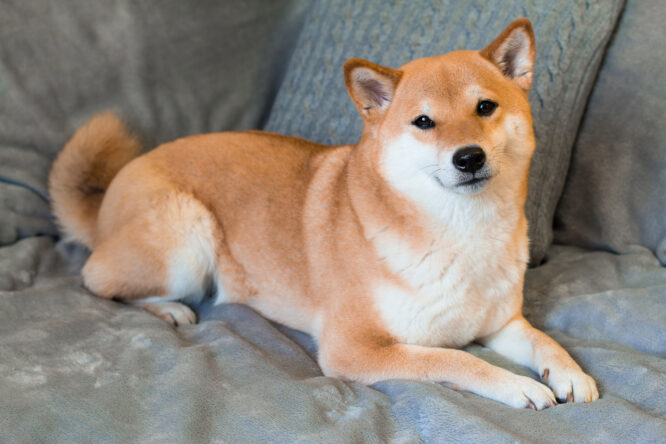
Dogs that might fit this pattern often show a few familiar habits. They struggle to settle even after long walks, constantly jump between activities, and seem to forget training they’ve already learned. They might bark excessively or react to minor movements and sounds. If these traits happen often and disrupt daily life, it’s worth talking to a vet or canine behaviourist. Consistent structure and calmer training methods can make a huge difference once the pattern is recognised.
Breed and environment play a big role.
Not every lively dog has ADHD traits. Breed, age, and living conditions all influence how hyperactive a dog appears. For example, high-energy breeds like Border Collies or Belgian Malinois may show restlessness in small homes simply because they need more stimulation. That’s why this new system measures both behaviour and how it affects functionality. It helps separate dogs that are just energetic from those whose hyperactivity causes real problems.
Training can still help.

Dogs with ADHD-like traits aren’t “broken”. With the right guidance, they can improve focus and learn to manage their impulses. Short training sessions, puzzle toys, and structured exercise help them burn energy and stay mentally engaged. The key is consistency. Punishment or shouting only heightens their stress, while calm repetition builds trust and control. Training a high-energy dog takes patience, not perfection.
Scientists hope to refine the system.

Researchers plan to expand testing across different breeds and environments to make results more reliable. They also want to combine owner surveys with brain and behavioural studies, which could reveal whether dogs with these traits share similar neurological patterns with humans. This could eventually help both species. Dogs are ideal subjects for studying attention and emotion because they live closely with humans and respond to similar stimuli.
There are things owners can do right now.

If your dog seems constantly overstimulated, it’s best to start by visiting a vet to rule out medical issues. If nothing physical is wrong, consider working with a qualified behaviourist who can create a structured routine tailored to your dog’s needs. Providing predictable exercise, regular mealtimes, and short mental challenges throughout the day can dramatically reduce restlessness. The aim is balance, not exhaustion.
It could offer a new way of understanding dogs.

For years, owners have joked about their “hyper” pets, but science is beginning to take those patterns seriously. The new diagnostic system gives us a better way to recognise and support dogs who genuinely struggle with attention and impulse control. It reminds us that not every difficult dog is disobedient. Some simply need their behaviour understood in a different light, and that small shift in perspective could change how we care for them entirely.