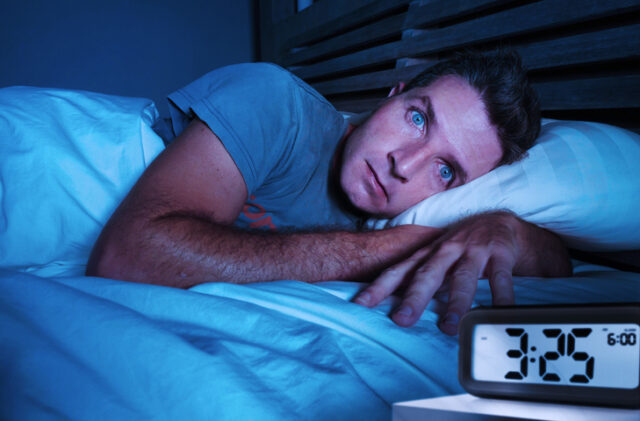
Most of us try to make up for late nights by sleeping in on weekends, hoping to reset the damage. It feels logical like rest now, recover later, but science paints a more complicated picture. Sleep doesn’t work like a simple bank account, and trying to repay a sleep debt isn’t as straightforward as it sounds.
Sleep debt builds faster than you think.
Missing a couple of hours here and there might not seem serious, but those gaps add up quickly. Studies show even one week of reduced sleep affects mood, focus, and reaction time. The body starts running on borrowed energy, forcing hormones and the brain to compensate. By the time you try to “catch up,” your system’s already been working overtime just to stay functional.
Weekend lie-ins help, but only briefly.
Sleeping late on Saturday or Sunday can make you feel better in the moment, but the effect is short-lived. It resets fatigue, not the deeper processes your body relies on for recovery. Scientists say that while extra rest helps restore alertness, it doesn’t fully fix disrupted body rhythms. Once Monday hits, your internal clock gets thrown off again, and the cycle restarts.
You can’t fix a week’s damage in one go.
If you’ve had several nights of poor sleep, one long weekend nap won’t undo the harm. The body doesn’t just “store” missed hours and release them later, recovery takes several nights. Think of it like dehydration. A single glass of water helps, but your body needs consistent hydration over days to stabilise. The same logic applies to sleep balance.
Your brain needs routine, not random recovery.

Consistency is what keeps your circadian rhythm steady. Going to bed and waking up at wildly different times confuses your body, even if you’re technically getting enough total hours. Researchers have found that irregular patterns affect memory and metabolism almost as much as outright deprivation. Regularity keeps the brain’s sleep-wake cycle strong and predictable.
Lost deep sleep is hardest to replace.
Not all sleep is equal. The early hours bring deep, restorative stages that heal cells and regulate hormones. When you cut nights short, that’s the phase you lose first. Sleeping in might stretch the lighter stages, but the deep repair window rarely returns in full. That’s why extra weekend rest rarely leaves you feeling fully refreshed.
Short naps can ease the strain.
While naps can’t replace proper sleep cycles, they do help when you’re flagging. A quick 20–30-minute rest can restore alertness and stabilise mood without pushing you into grogginess. Scientists say it’s best to nap before mid-afternoon to avoid disrupting nighttime rest. Regular small naps work better than occasional marathon ones.
Chronic sleep loss changes your baseline
The worrying part about long-term sleep deprivation is how the brain adjusts. After several days, you start believing you’re fine, even though performance and focus keep declining. That false sense of normality is dangerous. Your body adapts to functioning at a lower level, which can hide fatigue until it hits as burnout or illness.
Your metabolism also takes a hit.
Lack of sleep messes with appetite hormones, making you crave sugary or high-fat foods. It slows metabolism and increases insulin resistance, which can lead to long-term health risks. Getting back to balanced sleep stabilises these hormones again, but it takes consistency. That’s why catching up helps a little but can’t undo weeks of poor rest.
The immune system remembers the loss.

Sleep is when your immune cells do most of their repair work. Skipping rest weakens that process, making you more likely to catch viruses and slower to recover from them. Researchers say recovery takes longer than you think. Even after one full night of sleep, the immune system can remain slightly weakened from earlier deprivation.
Mood takes longer to bounce back.
Sleep deprivation amplifies anxiety and irritability. People who lose even moderate sleep report stronger emotional reactions and lower patience. Catching up helps restore balance, but only if it becomes consistent. A single weekend lie-in might make you less cranky, but emotional regulation needs several nights of regular rest to stabilise.
Shift workers struggle the most.
Those who work irregular hours face a constant sleep deficit. Their body clocks rarely align with daylight, which leads to chronic fatigue and increased health risks. Experts say the best fix isn’t sleeping more on days off, but creating steady habits, even within rotating schedules. Small consistencies in bedtime or light exposure help maintain rhythm.
The best recovery is prevention.

While you can recover partially from mild sleep loss, preventing it in the first place is far more effective. Once the body falls out of sync, it takes days to recalibrate. Aiming for a stable seven to eight hours each night beats any weekend catch-up. Small improvements like earlier screens-off time, darker rooms, consistent hours make the biggest difference over time.
Real recovery happens gradually.
If you’ve had a rough week, the fix isn’t one marathon sleep session. It’s two or three nights of steady, unbroken rest that rebuilds balance slowly. The body works best when given routine rather than rescue. Treating sleep like daily maintenance instead of an occasional luxury keeps energy, focus, and mood steady for good.