Britain has a long, proud history of eccentricity, and nowhere is that clearer than in its legal system.

Hidden among the country’s modern laws are centuries-old relics that sound more like pub trivia than actual legislation. From banning armour in Parliament to restricting the handling of salmon, the remnants of a very different Britain still sit on the books, even if most of us aren’t aware of it.
Most of these laws are harmless curiosities, surviving through oversight rather than enforcement, but they paint a fascinating picture of what once mattered to society. They reveal a time when protecting royal swans, regulating hats, or policing Sunday behaviour felt like serious business. The UK may have moved on, but its legal history hasn’t quite caught up, and some of these archaic rules are so odd you’d swear they were jokes, if they weren’t technically still valid.
It’s illegal to handle salmon suspiciously.

Under the Salmon Act 1986, it’s actually against the law to handle salmon “in suspicious circumstances.” The law was meant to stop poaching and illegal fish trading, but it was written so broadly it sounds absurd now. In theory, someone could be breaking the law just by carrying a fish oddly. While it’s unlikely you’ll ever be arrested for salmon mishandling, it’s still technically an offence across England and Wales.
It’s illegal to be drunk in a pub.

It sounds impossible, but under the Licensing Act 1872, you can’t legally be drunk on licensed premises, meaning pubs, clubs, or bars. Publicans are even obliged to stop serving someone who’s intoxicated. It’s a law most police officers don’t enforce, obviously, but it does technically mean every stag do or student night out is already breaking it. The irony hasn’t been lost on anyone.
It’s illegal to carry a plank along a pavement in London.

The Metropolitan Police Act 1839 still forbids carrying a plank of wood (among other odd items) along the pavement. The law was meant to stop builders blocking walkways or hitting passersby in crowded streets. Today, it’s one of those forgotten quirks that occasionally pops up in trivia rounds. Unless you’re part of a very careless DIY crew, you’ll probably be safe from this one.
You can’t gamble in a library.

According to the Library Offences Act 1898, gambling in a public library is illegal. It also bans abusive language, sleeping, and disruptive behaviour among the shelves. While most librarians would just ask you to leave, the law technically still stands. So if you’re placing bets between chapters, you’re breaking Victorian-era moral codes without realising it.
It’s illegal to fly a kite in a public place.

The same 1839 Metropolitan Police Act that bans planks also outlaws flying kites in public places if it causes “annoyance.” It was introduced when kite strings posed hazards to pedestrians and horses. Now it’s an amusing relic, though technically still enforceable. It means your casual park kite session could be considered a public nuisance under 19th-century law.
You can’t wear a suit of armour in Parliament.
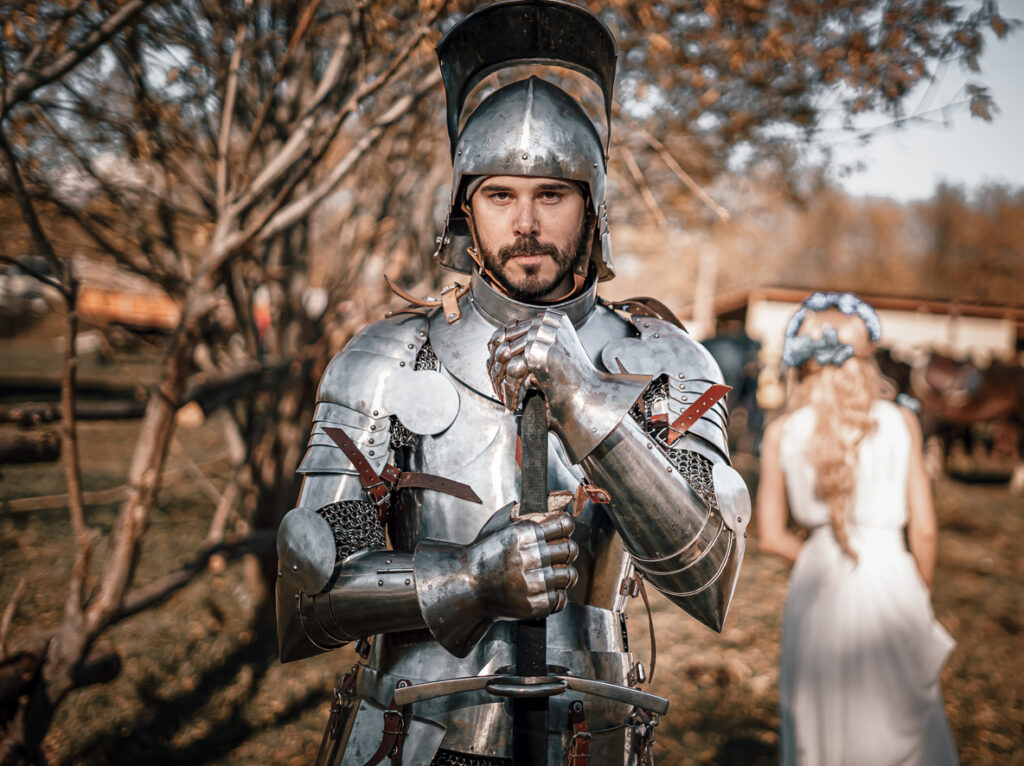
An ancient law from 1313 forbids members of Parliament from entering while wearing armour. The rule was brought in to prevent intimidation during heated debates in medieval times. While it’s safe to say no one’s turning up in full chainmail today, the law remains. It’s one of those enduring symbols of how far the country’s political culture has come, and how much hasn’t changed.
You can’t slide on ice in the street.

The Metropolitan Police Act strikes again, banning people from sliding on ice or snow in public streets. It was meant to stop injuries and chaos when roads were full of horses and carts. Technically, that means even a playful bit of sliding after a snowstorm could be a fineable offence. Luckily, the modern police have bigger concerns than a joyful skid on the pavement.
It’s illegal to shake a rug out of a window before 8 a.m.

Still part of the same 1839 Act, shaking or beating carpets, mats, or rugs out of a window before 8am is prohibited. The aim was to stop dust and debris from falling on pedestrians below. It’s another example of how Victorian lawmakers micromanaged public behaviour. While it’s unlikely anyone’s watching your early-morning cleaning routine, the law technically remains enforceable.
It’s treason to put a stamp upside down.
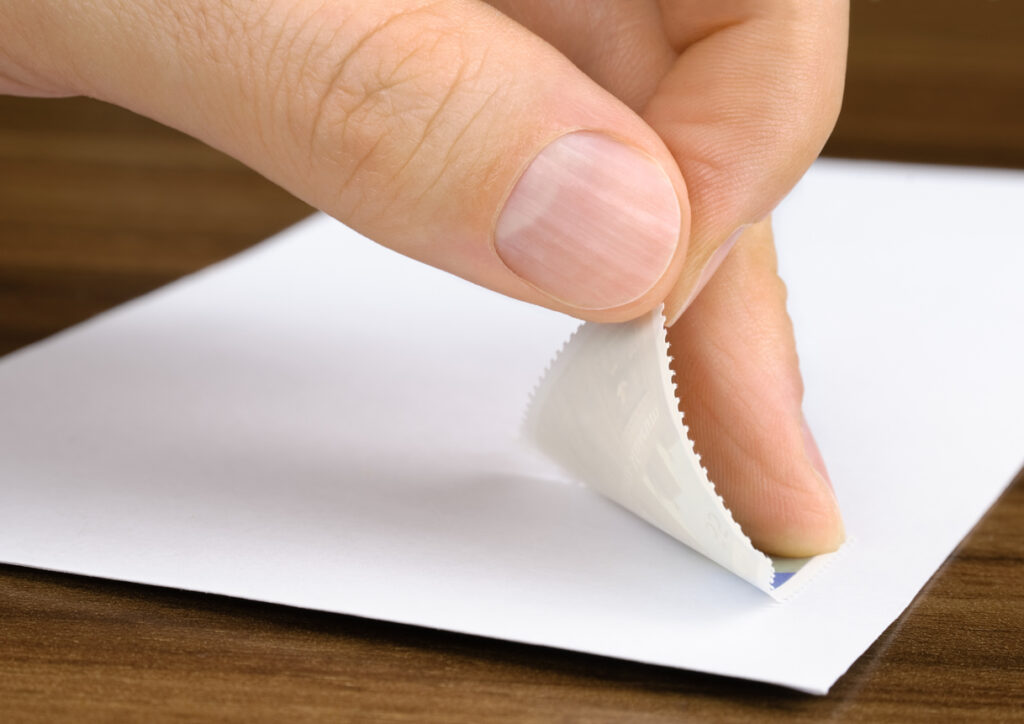
This one’s more urban legend than real danger, but it’s rooted in an old interpretation of the Treason Act 1842. The idea is that placing the monarch’s head upside down symbolises defiance against the Crown. In reality, no one’s ever been charged for it, but the principle still stands as a bizarre footnote in postal history. It’s a neat reminder of how seriously Britain takes its monarchy, even on envelopes.
10. It’s illegal to keep pigs in front of your house in some areas.

Certain local by-laws, many from the 1800s, still forbid keeping pigs or livestock in front gardens or near public roads. They were designed to stop unpleasant smells and wandering animals in towns. Most councils would overlook it today, but technically, it’s still written into law in parts of Britain. Your front garden piglet, adorable as it may be, could still be a legal problem.
It’s illegal to import potatoes from Poland.

Under a quirky piece of retained EU legislation, it’s still technically illegal to import potatoes from Poland without specific approval. The rule came about due to disease control measures back in the 2000s. While no one’s patrolling for rogue spuds at the border, it remains part of UK law. It’s a funny reminder of how bureaucratic rules can hang around long after they stop making sense.
It’s illegal to enter the Houses of Parliament while holding a weapon.
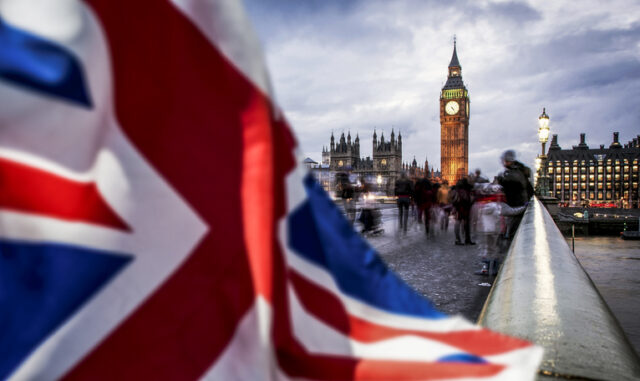
It might sound obvious, but this rule has been around since the 1500s. It’s still on the books as part of historical efforts to stop uprisings and protect government officials from threats. Although it’s common sense now, it shows how some of Britain’s strangest-sounding laws were once deadly serious. Like most of the others here, it stays tucked away in the archives: odd, outdated, but technically still valid.