Let’s be honest—neither Britain nor the US has it all figured out.

However, when it comes to certain everyday things, the UK just… does it better. From public niceties to practical policies, we’ve actually mastered the art of functioning in ways that feel (mostly) civilised, though that could obviously change at any time and with the next election cycle. However, at the moment, here are 15 things we’ve got the upper hand on, whether Americans like to admit it or not.
1. Voting that doesn’t take five hours
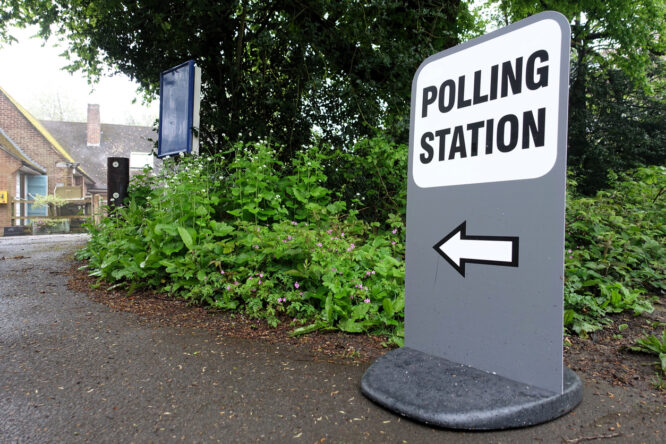
In the UK, voting usually takes under ten minutes. You walk to a local hall, cast your ballot, and leave. There’s rarely a queue, and no ID laws that make it harder to vote—at least not yet. In the US, it’s common for people to wait hours, take time off work, or even be denied due to registration issues. For all its flaws, the UK keeps voting simple and accessible.
2. Free (at the point of use, anyway) healthcare without a million forms

The NHS might have its struggles, but the fact that you can break a bone, see a doctor, and walk away without a £6,000 bill is still mind-blowing to most Americans. No insurance gymnastics. No panic over co-pays. Healthcare here might involve a wait, but it’s not a game of financial roulette. That peace of mind is priceless. You only realise how good it is when you try navigating the US system without a PhD in medical billing (or a million dollars in the bank).
3. Queueing (and doing it properly)

It’s pretty cliche at this point, especially since most of us don’t give standing on line a second thought. Nevertheless, we Brits really have turned queueing into an art form. There’s structure, fairness, and quiet judgement for anyone who dares to skip ahead. It’s democracy in motion; one behind the other, no fuss. In the US, queues can feel more like vague suggestions. The UK may not have invented lining up, but we’ve perfected the etiquette. That counts for something.
4. Walking-friendly cities
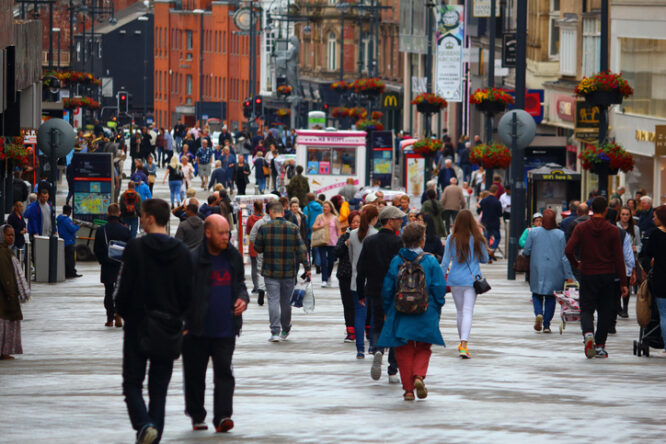
In most UK towns, you can walk to a shop, a café, or the train station without needing to cross a motorway or dodge six lanes of traffic. Public footpaths are everywhere, and cities are compact by design. The US often prioritises cars, even in city centres. Meanwhile, British high streets are often gloriously walkable, even if half the shops are Greggs, betting shops, or vape shops. It still beats driving everywhere for milk.
5. Public transport that actually connects places

The UK rail network might be expensive, but at least it exists. You can get to tiny villages, seaside towns, and even airports without needing to rent a car or hope for a Greyhound bus. In America, public transport is largely confined to a few big cities. Outside of that, it’s often car or nothing. The UK’s network may have issues, but the coverage is miles ahead.
6. Proper electric kettles
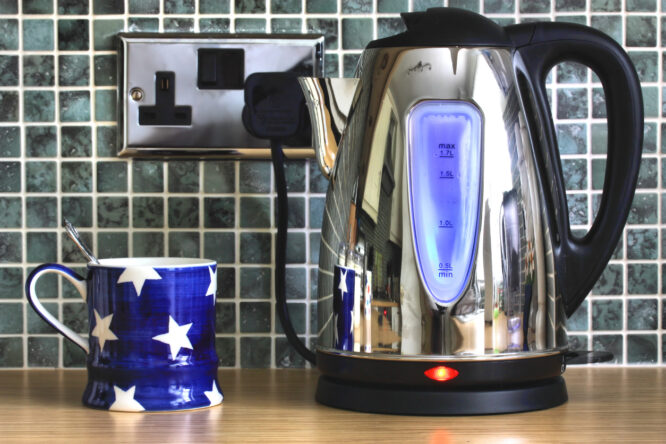
Pop a kettle on in the UK and you’ve got boiling water in under a minute. In the US, people are still microwaving mugs or using slow stove top kettles like it’s the 1950s. The British obsession with tea has at least brought one glorious innovation to kitchen counters: fast, efficient, plug-in kettles that Americans don’t even know they need.
7. Pedestrian crossings that don’t try to kill you
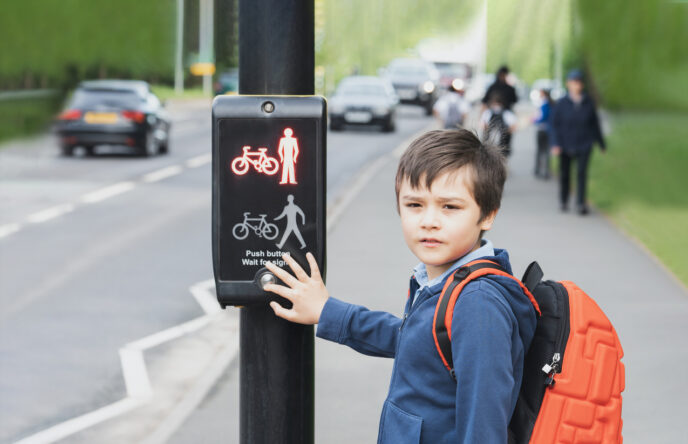
Pelican crossings, zebra crossings, and those flashing Belisha beacons—they actually mean something in the UK to most of us. Drivers tend to stop. Pedestrians know when it’s safe to cross. It’s not a gamble. In the US, crossing the street can feel like a low-stakes version of Frogger. Even at crosswalks, you often need eyes in the back of your head and a quick sprint. Britain wins this round for basic safety.
8. Bin separation that makes sense
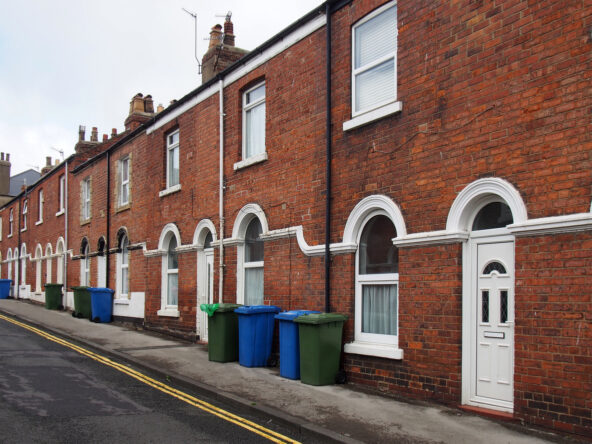
Most UK councils provide clear recycling, food waste, and general rubbish bins, often collected weekly. It’s a system with rules, signage, and actual follow-through (mostly). You know where things go. In the US, recycling varies wildly by state, and good luck figuring out if that yoghurt pot is recyclable or not. Britain’s setup might be a bit fussy, but it’s less chaotic overall.
9. Not tipping for absolutely everything

In the UK, tipping is a polite gesture, not a lifeline. You tip for excellent service at restaurants, maybe a hairdresser, but not for every coffee or taxi ride. The pressure’s just not there. In the US, tipping culture is so embedded it feels like a financial obligation. Brits enjoy the simplicity of paying what’s on the bill and not having to mentally calculate 20% every time they leave the house.
10. Roundabouts (yes, really)
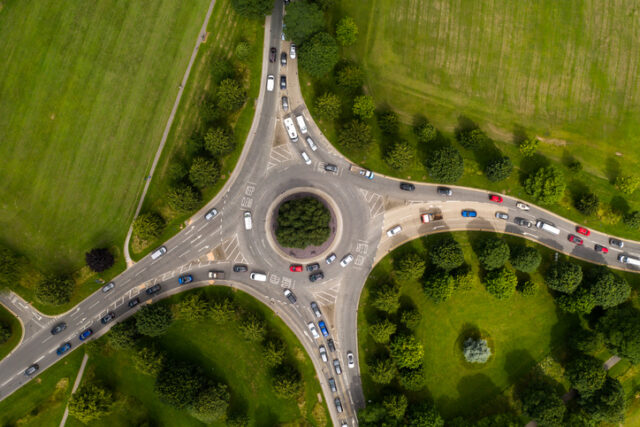
To non-Brits, roundabouts might seem like chaos, but they actually keep traffic flowing better than stop signs and lights. We Brits know how to use them, and they’re everywhere for a reason. In the US, roundabouts are still treated like mysterious spinning puzzles. We might grumble about them, but deep down, they know: they just work.
11. Pub culture over bar culture

Pubs are about conversation, warmth, and community. You don’t need to yell over the music or dress up like you’re hitting a runway. It’s cosy, familiar, and you can nurse a pint without pressure. Bars in the US are often loud, packed, and expensive. British pub culture offers a slower, more relaxed kind of social life, and for many, that’s far more sustainable.
12. TV licences (controversial. but effective)

While no one loves paying the BBC licence fee, it does mean public broadcasting without ads every five minutes. British TV gets to be weird, creative, and refreshingly free of product placement. In the US, even public broadcasting fights for funding. And if you want ad-free content, you’d better be ready to subscribe to five different platforms. For all its flaws, the licence fee still protects some seriously high-quality telly.
13. School uniforms (yes, really)

Love them or loathe them, UK school uniforms level the playing field. There’s less stress about outfits, less competition, and fewer distractions based on what kids are wearing. In the US, dress codes are vague and inconsistently enforced, which often leads to endless debates over what’s “inappropriate.” Uniforms may not be fun, but they do reduce the daily drama.
14. Weather obsession as a social tool

Yes, Brits talk about the weather a lot, but it’s not just small talk. It’s a national bonding ritual. Complaining about drizzle or sudden sunshine brings strangers together like nothing else. In America, weather chat is usually reserved for actual extremes. In Britain, a light mist or rogue sunny patch is enough to fuel ten minutes of neighbourly connection. It’s an underrated superpower, really.