Teething is a normal part of a puppy’s early development, but it often catches new pet owners off guard.

From sore gums to chewed-up furniture, knowing what to expect—and how to help—can make all the difference in supporting your pup through this sometimes frustrating stage. Don’t worry, this period doesn’t last very long, and you’ll get through it.
1. Puppy teething starts earlier than most people think.

Most puppies begin teething around three weeks of age, though you might not notice until they come home at eight weeks and start chewing everything in sight. That’s when their baby teeth are still coming in, followed by a second round of teething around 12 to 16 weeks as their adult teeth push through.
This early phase is all about discomfort, curiosity, and learning how to use their mouth. It’s completely normal—but can also be intense, depending on your puppy’s personality and how they choose to soothe themselves.
2. Chewing is their number-one coping mechanism.

Teething makes a puppy’s gums sore and itchy. Chewing provides temporary relief by helping loosen baby teeth and soothe irritated tissue. That’s why shoes, table legs, and even your fingers start looking like fair game. Rather than punishing the behaviour, redirect it to safe alternatives. Offering a range of appropriate chew toys helps your puppy meet their needs without destroying your belongings in the process.
3. Their baby teeth fall out, just like with humans.

Between 12 and 16 weeks, puppies start losing their baby teeth to make room for adult ones. You might find tiny teeth around the house, or your pup may swallow them while eating or chewing (which is harmless). This stage can feel a bit chaotic, but it’s a good sign that development is on track. Their gums may bleed slightly during this time, especially when chewing, but that’s normal unless you notice ongoing discomfort or excessive bleeding.
4. Teething can affect their mood and behaviour.

Don’t be surprised if your usually sweet puppy becomes a bit cranky, clingy, or mouthier during teething. Sore gums can cause mild irritability, and they may test boundaries more than usual to relieve their discomfort. This isn’t bad behaviour—it’s a reaction to pain. Try to stay patient and consistent with training. Offering soothing routines and gentle redirection helps them feel secure while navigating this physically uncomfortable time.
5. Frozen treats and toys can offer big relief.

Cold textures are a puppy’s best friend during teething. Freezing a damp flannel, rubber toy, or puppy-safe treat can help reduce inflammation and provide temporary comfort. Always supervise when offering frozen items to avoid any choking hazards or damage to soft toys. The goal is relief, not a dental emergency, so choose sturdy, safe options that your pup can gnaw on happily.
6. Puppy-safe teething toys matter more than you think.
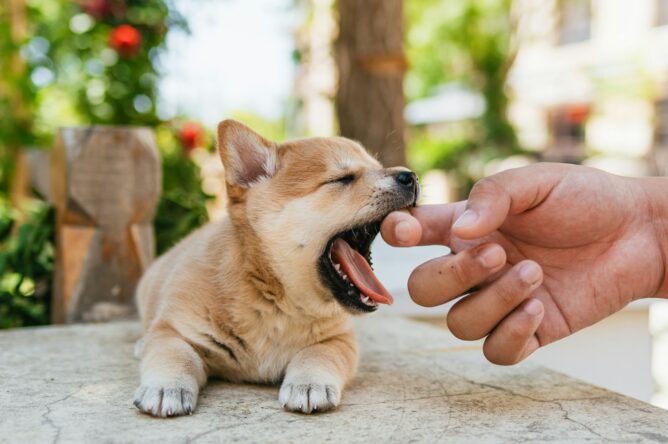
Not all chew toys are made equal, especially for teething pups. Avoid overly hard items like bones or antlers, which can damage growing teeth. Instead, look for toys made specifically for teething—soft rubber, rope, or textured materials that flex slightly under pressure. Rotate toys regularly to keep things interesting. A bored puppy with sore gums will quickly turn to whatever’s nearby, including your favourite book or the corner of your sofa.
7. Teething won’t last forever, but it can feel that way.
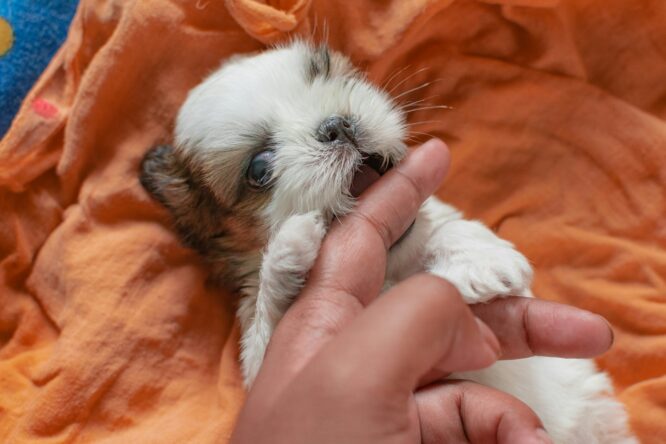
The full teething process usually wraps up around six to seven months of age, when all adult teeth have come in. That’s about 42 permanent teeth replacing the original 28 baby teeth. It’s a long haul, especially when your puppy seems determined to chew their way through the entire house. However, once the process is over, things settle down significantly, both for their mouth and your furniture.
8. It’s a great time to introduce dental care habits.
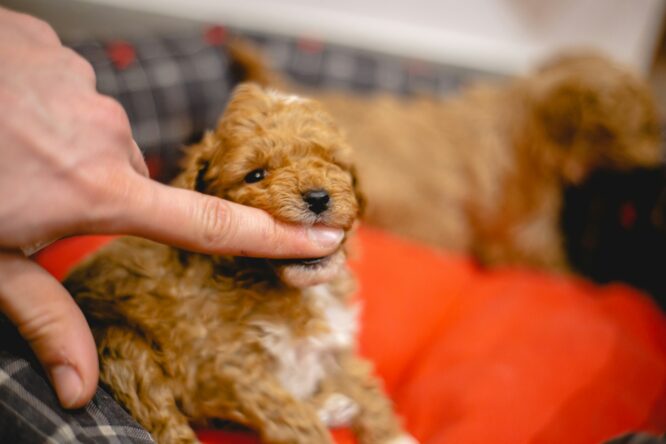
While your puppy’s mouth is developing, it’s the perfect time to get them used to having their teeth and gums touched. Gentle brushing with a finger brush or puppy-safe toothpaste can build positive associations before full dental routines begin. Starting early makes dental care feel like a normal part of life instead of a future battle. Even if they’re teething, light handling helps establish trust and comfort with the process.
9. Watch for signs of teething problems.

While teething is usually straightforward, complications can happen. Look out for persistent bad breath, excessive drooling, swollen gums, or signs your puppy isn’t eating due to mouth pain. These could point to retained baby teeth or other dental issues. If anything feels off, don’t hesitate to check in with your vet. Early intervention can prevent long-term dental problems and keep your pup feeling their best through every stage of development.
10. Patience (and puppy-proofing) will save your sanity.

This is a temporary but intense phase, and it’s as much a challenge for you as it is for your puppy. Giving them outlets to soothe their gums, managing their environment, and keeping your expectations realistic makes a huge difference. With the right tools and a little grace, you’ll get through it together—and come out the other side with a happier, healthier dog who’s learned to trust you during one of their most sensitive stages.