
It turns out you might not need a gym membership to raise your testosterone levels. Instead, all you need is an axe, some trees, and a bit of fresh air. Scientists studying physical labour have found that chopping wood gives men a stronger hormonal boost than most modern workouts, and the reasons are more fascinating than you’d expect.
It triggers a full-body response.
Chopping wood isn’t just about strength in your arms. It engages the shoulders, back, core, and legs in one powerful movement that demands coordination and focus. That kind of full-body effort sends a signal through the nervous system that prompts the release of testosterone. The hormone rise isn’t just about muscle, it’s also tied to effort, intensity, and rhythm.
The activity mimics ancient survival work.
Researchers say the boost happens because chopping wood taps into instincts that once kept humans alive. The repetitive, goal-driven motion resembles the kind of labour early humans relied on daily. The brain interprets that effort as purposeful, not mechanical. It connects physical output with survival, which naturally increases hormones linked to drive and resilience.
Testosterone rises more than during sports.
In one well-known study, men who chopped wood experienced a higher testosterone spike than those who played football or went running. The increase was measurable and lasted longer after finishing the task. That’s because chopping wood mixes endurance with bursts of power. It keeps the body alert and challenged without the short, sharp stress spikes caused by competitive exercise.
It combines strength and endurance naturally.

Each swing uses multiple muscle groups at once, which forces your heart to work harder while your muscles stabilise and recover between strikes. It’s strength and cardio rolled into one. This mix keeps hormone levels elevated for longer. Scientists say the body responds best to activities that challenge several systems at once, which is exactly what wood chopping does.
It engages focus as much as force.
To split wood properly, you have to pay attention to angles, rhythm, and timing. It’s a skill as much as a workout, which keeps your brain and body connected. That mental engagement prevents burnout and creates steady hormonal release rather than a quick rush. The focus also helps reduce stress hormones that can interfere with testosterone production.
The environment plays a role.
Outdoor exercise adds an extra layer of benefit. Sunlight boosts vitamin D levels, which support hormone balance, and natural surroundings lower cortisol, the stress hormone that can reduce testosterone. Researchers believe this combination explains why men who work outdoors often have higher baseline testosterone than those who train indoors. It’s not just the movement, it’s the setting.
It’s hard work with visible reward.
Every swing gives you instant feedback: a satisfying sound, a physical result, and a clear sense of accomplishment. That psychological reward reinforces motivation and strengthens hormonal response. Your brain recognises achievement and releases dopamine, which pairs with testosterone to create lasting energy and drive. It’s an ancient reward loop most modern workouts rarely trigger.
It naturally lowers stress.
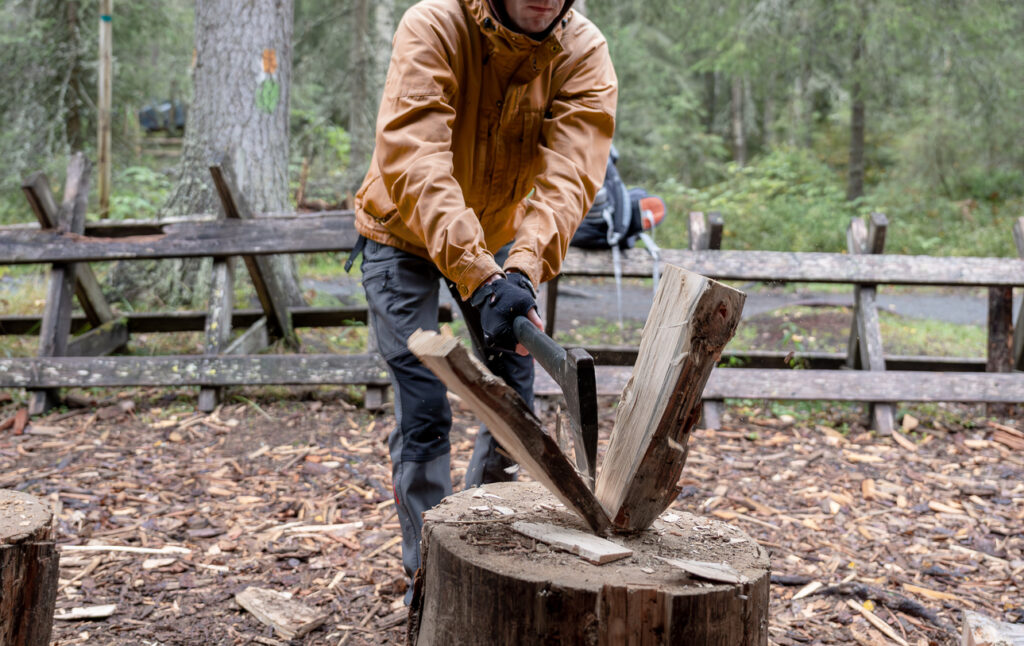
Unlike high-intensity gym sessions that can overstimulate your system, chopping wood keeps stress balanced. The repetitive motion acts like a moving meditation, helping the body relax while staying active. When stress hormones drop, testosterone levels rise more freely. That’s why steady, mindful physical work often improves hormonal health more than quick bursts of aggressive training.
It burns calories efficiently.
An hour of chopping wood can burn more than 400 calories, depending on pace and size of logs. The sustained movement raises your heart rate without the extremes of sprinting or weightlifting. The steady calorie burn keeps metabolism healthy and encourages muscle growth in a natural way. It’s exercise with purpose rather than performance, which helps make it sustainable long-term.
It encourages natural posture and balance.
Modern workouts often isolate muscles, but chopping wood works the body as a single system. It strengthens stabilisers, improves grip, and keeps movements fluid rather than mechanical. The result is better balance, coordination, and posture. That stability supports hormone regulation too because the body functions best when its systems are aligned rather than strained.
It taps into primal satisfaction.
There’s something instinctive about physical tasks that create visible results. Cutting wood feels useful, which makes it more rewarding than lifting weights for numbers alone. Psychologists say that sense of purpose triggers emotional satisfaction that feeds back into physical energy. When your mind feels productive, your body releases more of the hormones linked to vitality and confidence.
It connects movement with meaning.

A big reason chopping wood beats gym routines is that it combines fitness with usefulness. Every swing contributes to warmth, comfort, or preparation, which are real-life benefits beyond appearance. That purpose helps you stay consistent. Exercise feels less like a chore when it produces something tangible, and that emotional connection strengthens motivation just as much as muscle.
It’s accessible and affordable.
You don’t need expensive gear or a gym subscription. A sturdy axe, a safe space, and good technique are enough to turn wood chopping into a workout that builds strength and confidence. Experts say physical labour like this can be just as effective as structured training plans when done safely. It also reduces screen time and adds time outdoors, which supports overall wellbeing.
The benefits last beyond the workout.
The hormonal rise from chopping wood doesn’t disappear immediately after you stop. Studies show that testosterone levels remain higher for hours afterward, improving focus, mood, and energy. The sustained boost explains why people who do manual outdoor work often report feeling calmer and more grounded. It’s not only about fitness. It’s about reconnecting the body with effort that actually matters.