School uniforms are meant to bring fairness and simplicity to the classroom, but in the UK, they’re often doing the opposite.

While the idea is to level the playing field, the reality is that uniform policies are increasingly highlighting economic gaps, not hiding them. From rising costs to rigid rules, the system ends up quietly punishing children from lower-income households and reinforcing the very class divides it claims to smooth over. Here’s how our approach to school uniforms is fuelling inequality in ways that aren’t always obvious, but are definitely felt.
1. Branded uniform costs are pricing out poorer families.
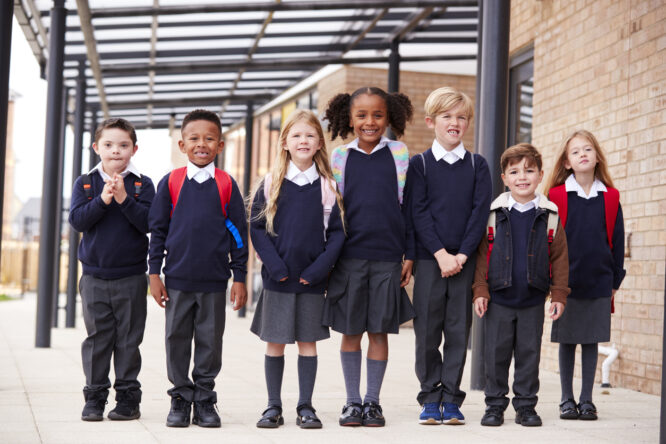
Even though there are now guidelines in England limiting how many branded items a school can require, some still expect families to buy expensive, logo-specific blazers, PE kits, or jumpers from approved suppliers. These costs add up quickly, especially when you have more than one child or hit a growth spurt mid-year. Parents often can’t just pop into a supermarket for cheap alternatives because the school won’t allow it.
For many families, this isn’t just annoying. It’s actually a genuine financial burden. When you’re choosing between heating, food, and a £45 jumper, school uniform rules start to feel more like class gatekeeping than anything to do with education. Kids end up singled out, punished, or even sent home over uniform issues caused by money struggles, not attitude problems.
2. Expensive uniforms fuel absenteeism and shame.
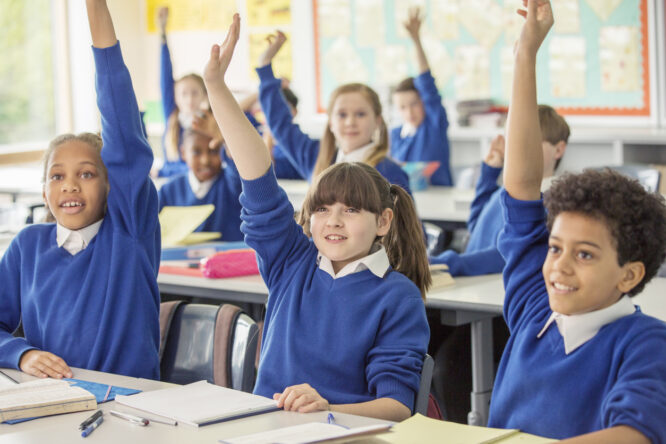
Some children miss school entirely because their families can’t afford the right clothes. It’s not rare for a parent to keep their child off for a day or two while trying to scrape together the money for a required item. In a lot of schools, there’s very little flexibility. In fact, showing up in the wrong shoes can lead to isolation or sanctions, even if everything else is perfect.
The shame of being pulled aside or sent home over a uniform breach sticks with kids. It teaches them that appearances matter more than attendance, and that financial hardship can get you labelled as “non-compliant.” It’s not discipline, it’s exclusion wrapped in fabric.
3. Rules often target working-class and minority kids.

Uniform rules don’t just cover clothing. They often extend to haircuts, jewellery, piercings, and even how a child wears their socks. These details disproportionately affect working-class and minority students whose personal or cultural styles might fall outside the narrow standards schools expect. Instead of focusing on behaviour or effort, schools end up policing appearance in a way that feels deeply personal.
Kids who wear afro hairstyles, wear religious accessories, or style their uniforms differently are more likely to be disciplined. That kind of attention isn’t just about conformity, either. It sends a subtle but clear message about which identities are ‘acceptable’ and which ones aren’t. It adds to a sense of not belonging, long before a child even reaches a classroom.
4. Second-hand options aren’t always enough.
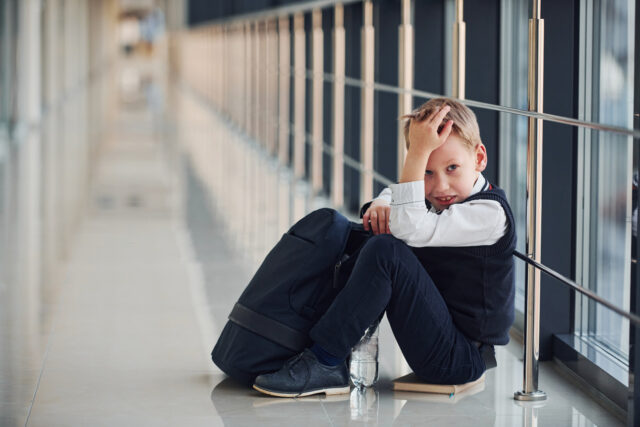
While some schools offer second-hand uniform schemes, they’re often limited, patchy, or underfunded. Not every item is available, and parents still end up needing to buy specific branded pieces that are hard to find or just as pricey when resold. In some cases, the quality is so low that the clothes barely last a term.
This means low-income families still spend a significant chunk of money on keeping up with rules that wealthier families barely notice. It creates a quiet division when some kids breeze through in new, well-fitting gear while other people patch things up, make do, or get penalised for not quite meeting the mark.
5. Uniform enforcement teaches early lessons in class division.
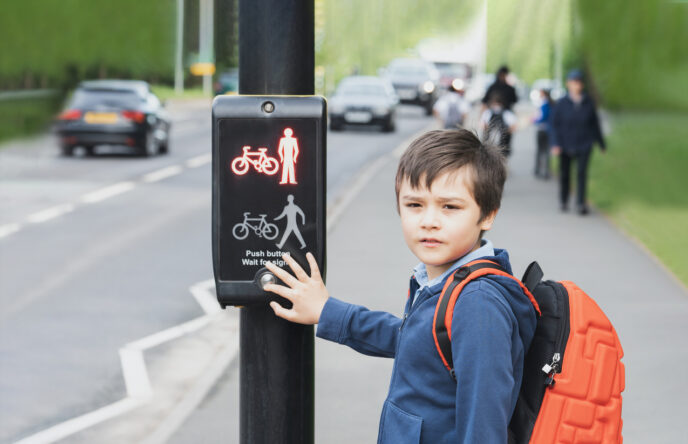
From the moment they enter school, children learn where they stand. Being praised for looking ‘smart’ or punished for a missing item becomes a daily reminder of who fits and who doesn’t. These aren’t just school rules; they’re early introductions to social hierarchies and class-based judgement.
It’s subtle, but it builds up over the years. A child who’s constantly corrected over appearance starts to internalise the idea that they’re doing something wrong, even if their effort in class is solid. It’s a small but powerful way of reinforcing the idea that being “acceptable” starts with money.
6. Girls face more scrutiny than boys.

Girls are often policed more heavily when it comes to uniform. Skirt lengths, makeup rules, and tightness of clothing are watched and commented on in ways that boys don’t experience. This adds a layer of gendered pressure on top of class issues, especially for girls who can’t afford new clothes that fit just right.
Being told your skirt is too short when it’s the only one you have, or being pulled up for wearing trousers because you couldn’t afford the “girls” cut, reinforces a sense of being watched and judged. It’s exhausting, and it teaches girls to prioritise how they’re seen over how they learn.
7. Comfort and practicality are overlooked.
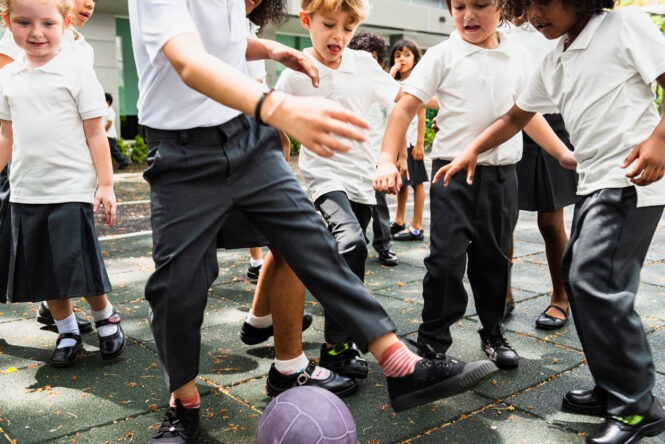
Uniforms are often chosen for appearance, not comfort. Some schools still require blazers and ties in summer, or force kids into shoes that aren’t supportive for walking or play. For children from families who rely on walking or buses, this makes the journey to and from school harder than it needs to be.
Comfort might sound like a luxury, but for many children, especially those with sensory issues, disabilities, or just a long commute, it can make or break their school day. Uniforms should be practical first, not just polished for the sake of appearances.
8. Uniform policies ignore lived realities.
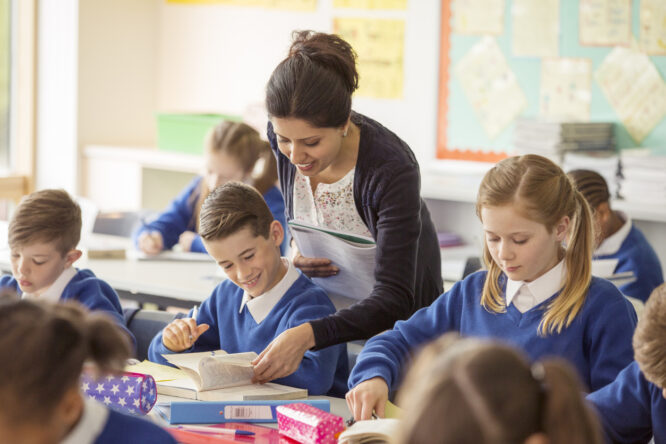
Some schools still insist on winter coats that are plain black with no logo, even if the family’s only option is a colourful hand-me-down or something warm from a charity shop. These rules might seem small, but they leave kids freezing on playgrounds or being told off at the school gate.
The idea of uniformity only works when everyone starts from the same place. When you’re ignoring the fact that some families don’t have spare money or transport to hunt down a specific item, you’re not enforcing standards; you’re enforcing inequality.
9. Schools with relaxed dress codes aren’t falling apart.

There are UK schools, like Hyndland Secondary in Glasgow, that have eased or even scrapped uniform policies altogether, and they’ve still maintained strong behaviour and academic standards. Students wear what they can afford and feel comfortable in, and the focus stays on learning. This shows that strict uniforms aren’t essential for order or respect. In fact, when students feel respected and included, they’re often more engaged. A relaxed policy doesn’t mean chaos. It can mean compassion.
10. Uniform debates reflect deeper social issues.

The argument over school uniform is about more than jumpers and shoes. It’s about the UK’s deep-rooted class divide, and how schools either reinforce or challenge that divide every single day. Uniform policies might seem like small decisions, but for many families, they’re a weekly source of stress.
Until these systems are designed with equity in mind, they’ll keep doing quiet damage. School should be the great equaliser, not the place where inequality gets its first foothold. And that starts with thinking seriously about what uniforms are really saying, and who they’re actually serving.