When you think of the likes of sewing, crocheting, and gardening, you probably picture older people doing them, but that’s not the case at all.

Plenty of younger people, women in particular, are enjoying them, and that’s a good thing. Research from a longitudinal study out of the University of Helsinki suggests that engaging in creative activities can add up to 8 years to your lifespan, while similar studies show traditional “grandma hobbies” boost mental health, reduce stress, and keep cognitive function sharp well into old age.
1. Knitting reduces stress hormones by 68%.
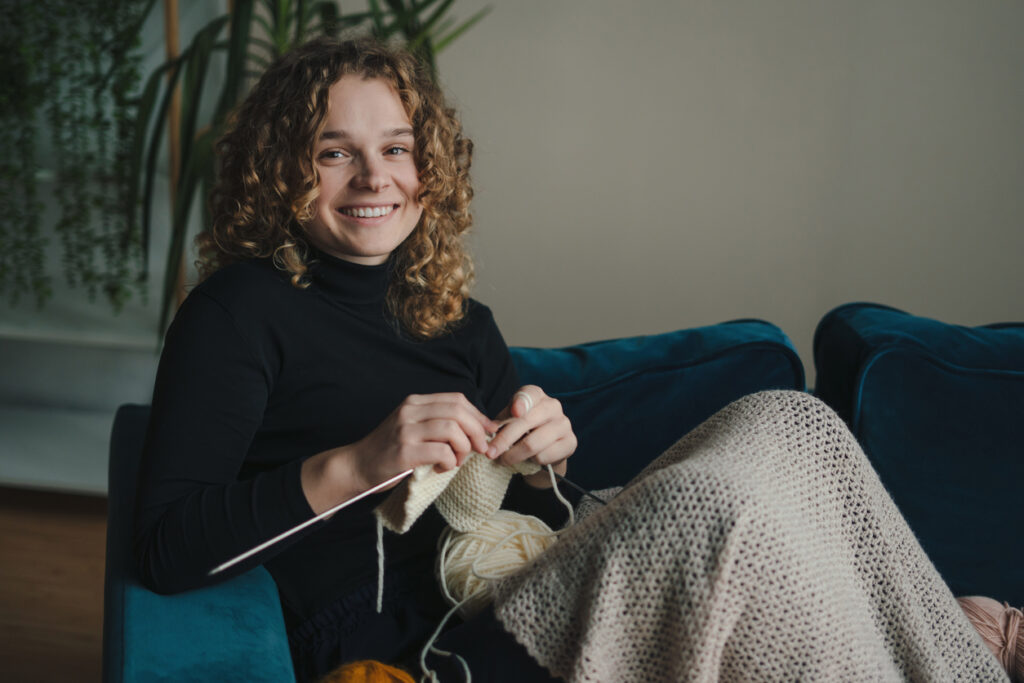
Studies from Cardiff University found that regular knitting lowers cortisol levels significantly and produces the same meditative effects as mindfulness practices. The repetitive motions trigger the relaxation response, while creating something useful with your hands provides lasting satisfaction.
Join local knitting circles at community centres or yarn shops across the UK, or start with simple projects using YouTube tutorials. Many libraries now host “knit and natter” sessions where you can learn while socialising with other people.
2. Gardening extends life expectancy more than going to the gym.
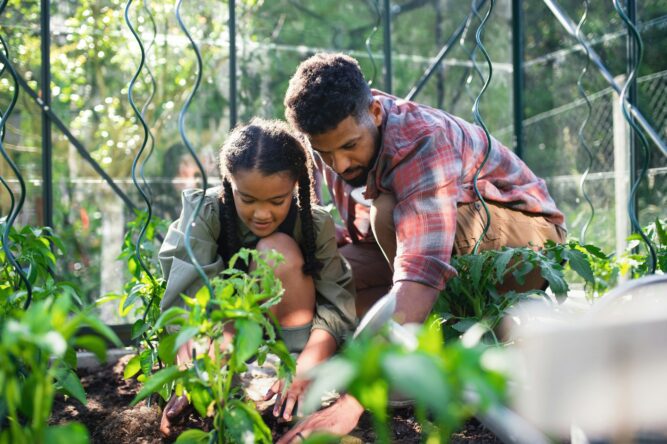
British research shows that people who garden regularly live longer than those who only do traditional exercise. The combination of physical activity, vitamin D from sunlight, stress reduction, and connection to nature creates powerful health benefits.
Start with container gardening if you don’t have outdoor space, or join community garden schemes available in most UK towns and cities. Even 30 minutes of potting plants or tending flowers provides measurable health improvements.
3. Baking from scratch improves cognitive function.

The complex processes involved in measuring, timing, and following recipes create new neural pathways, while the sensory experiences engage multiple parts of the brain. Sharing baked goods also strengthens social connections, which is crucial for longevity.
Try traditional British baking like Victoria sponges or scones, starting with simple recipes and gradually building complexity. Baking for neighbours, colleagues, or community events adds the social benefits that amplify health effects.
4. Embroidery and needlework slow cognitive decline.
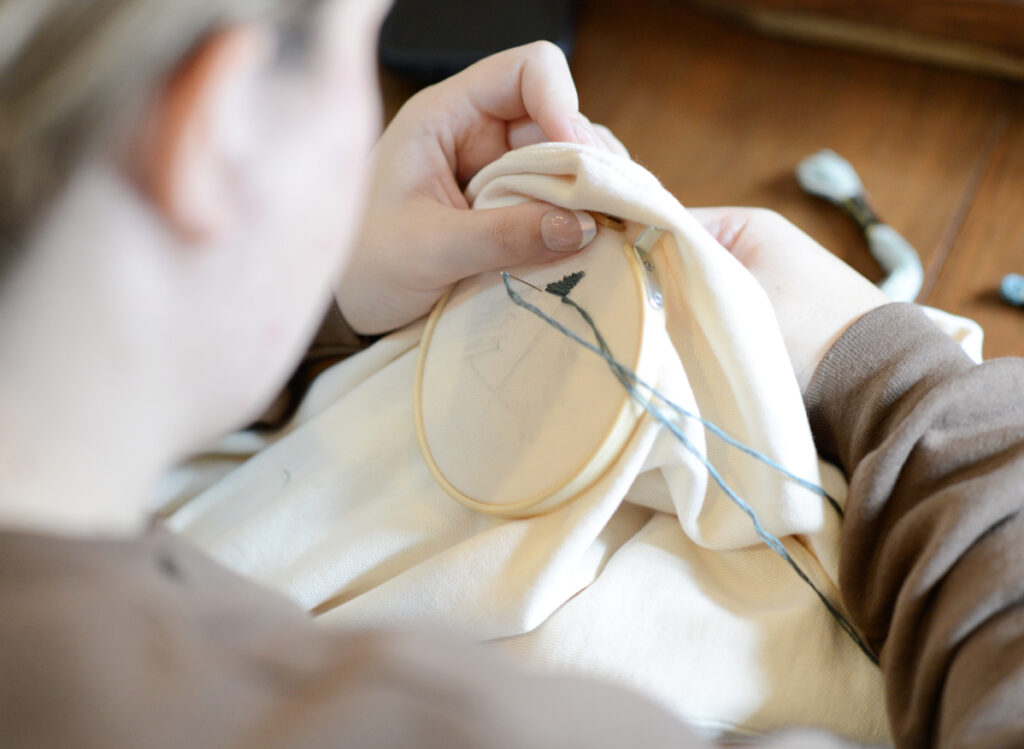
Research from the American Academy of Neurology found that detailed needlework activates the same brain regions as meditation while improving fine motor skills and hand-eye coordination. These activities also provide a sense of accomplishment and preserve traditional skills.
Start with cross-stitch or simple embroidery kits from craft shops, or learn traditional techniques at workshops offered by many UK museums and craft centres. The concentration required provides natural stress relief.
5. Reading physical books extends lifespan by 2 years.

Yale University research showed that people who read books for 3.5 hours per week live 23 months longer than non-readers. Physical books provide deeper cognitive engagement than digital reading, plus better sleep quality due to reduced screen exposure.
Join local book clubs at libraries or independent bookshops, which are experiencing a renaissance across the UK. Reading groups provide social interaction alongside the cognitive benefits of regular reading.
6. Quilting builds community while boosting brain health.

The complex planning, pattern recognition, and problem-solving involved in quilting create cognitive challenges that keep brains sharp. Quilting groups also provide strong social support networks that research shows are essential for healthy ageing.
Look for quilting guilds and patchwork societies throughout the UK, many of which welcome beginners. These groups often participate in charity projects, adding purpose and meaning to the hobby.
7. Cooking traditional meals preserves cultural knowledge.
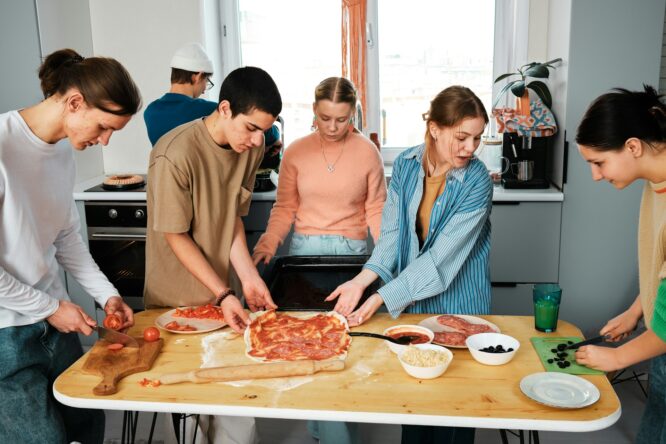
Preparing complex, traditional British dishes like proper roasts, stews, or preserves requires planning, timing, and technique that challenge cognitive abilities. Cooking from scratch also ensures better nutrition and stronger family connections.
Learn traditional British recipes from older relatives or community cooking classes. Focus on seasonal cooking using local ingredients, which adds the health benefits of eating fresh, unprocessed foods.
8. Watercolour painting reduces anxiety and depression.

UK art therapy research shows that regular painting significantly reduces symptoms of anxiety and depression while improving cognitive flexibility. The focus required for painting provides natural mindfulness benefits.
Take up watercolours through local art societies or U3A (University of the Third Age) classes available across Britain. Start with simple landscape painting, which combines the benefits of art with connection to local natural beauty.
9. Letter writing and journaling improve memory.

The physical act of handwriting engages different parts of the brain than typing, improving memory formation and retention. Regular writing also provides emotional processing benefits that reduce stress and improve mental health.
Start a gratitude journal or begin correspondence with friends and family. Many UK libraries and community centres offer creative writing groups that combine the benefits of writing with social interaction.
10. Learning traditional crafts like pottery stimulates neuroplasticity.
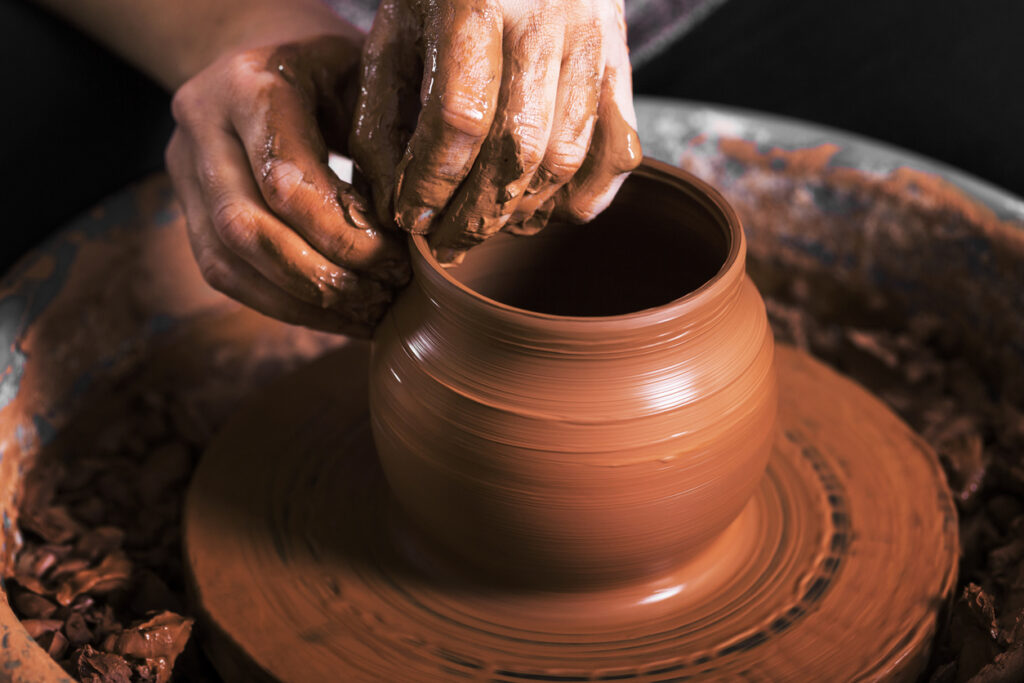
Working with clay engages both sides of the brain while providing tactile stimulation that reduces stress hormones. The learning process creates new neural pathways that help maintain cognitive function as you age.
Join pottery classes at local colleges or community centres throughout the UK. Many areas also have pottery cafes, where you can try the craft casually before committing to regular classes.
11. Playing bridge or other card games prevents dementia.

Regular card games like bridge, which is hugely popular in UK community centres, provide complex cognitive challenges that research shows can delay dementia onset by up to 5 years. The social aspect adds additional protective benefits.
Find bridge clubs through the English Bridge Union, or start with simpler card games at local community centres. Many clubs offer beginner-friendly sessions specifically designed for newcomers.
12. Jam making and preserving connects you to seasonal rhythms.

The process of making preserves, pickles, and jams requires attention to detail, timing, and technique while connecting you to seasonal food cycles. This traditional skill also provides a sense of self-sufficiency and accomplishment.
Learn preserving techniques through WI (Women’s Institute) groups, which are active across the UK and specifically focus on traditional skills. Start with simple jam recipes using local seasonal fruit from farmers’ markets or pick-your-own farms.