Handing a kid their first smartphone before they’re ready is a massive amount of power and complexity for a brain that’s still under construction.

While we often focus on the social drama or the screen time, the physical and mental fallout of going digital too soon is a lot more serious than just a few missed bedtimes. From the way it messes with their sleep cycles and eye health to the much deeper impact on their attention spans and emotional resilience, we’re essentially running a giant experiment on their development in real-time.
It’s not just about them being “distracted” from their homework; it’s about how early exposure to the relentless pace of the internet can set up long-term health habits and stress responses that are incredibly difficult to unpick once they’ve taken hold.
1. Sleep patterns get completely disrupted from blue light exposure.

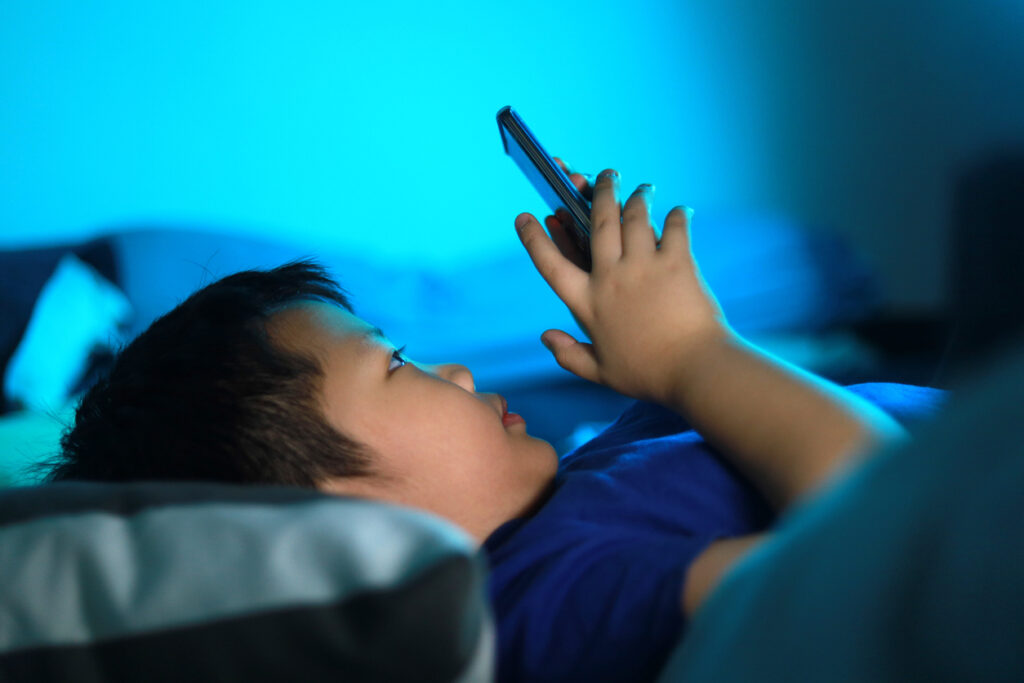
Blue light from screens suppresses melatonin, which tells your brain it’s time to sleep, and kids are particularly vulnerable to this. When children have phones in their bedrooms or use them before bed, they’re essentially keeping their brains awake when they should be winding down.
This isn’t just about being tired; chronic sleep deprivation affects growth, immune function, and how their brains develop. Even with bedtime rules, the temptation to check messages one more time is too strong for most kids to resist.
2. Posture problems develop from constantly looking down at screens.

“Text neck” is becoming a genuine medical issue in children whose spines are still developing. Kids hunch over their phones for hours, putting enormous strain on their neck and shoulders. What starts as occasional discomfort can become chronic pain and actual structural changes to the spine. Physiotherapists are seeing children with posture issues that used to only appear in adults after decades of office work, and by the time kids notice the damage, it’s already established.
3. Eye strain and vision problems appear earlier than they should.

Staring at screens causes eye fatigue, dryness, and can contribute to short-sightedness in children. Kids forget to blink as often when they’re focused on screens, and their eyes never get a break to look at distant objects. Myopia rates in children have increased dramatically in the past two decades, and screens are a significant contributor. Once vision problems develop, they typically worsen rather than improve.
4. Anxiety and depression symptoms emerge at younger ages.
Social media exposes children to comparison culture before they have the emotional tools to handle it. Kids as young as eight are experiencing anxiety about likes, followers, and their online image. They’re seeing curated versions of other people’s lives and feeling inadequate, which feeds into depression and low self-worth.
The constant availability means there’s no escape. Social stress follows them home, into their bedrooms, occupies their thoughts even when they’re not actively using the phone.
5. Attention spans shorten and focus becomes nearly impossible.

Constant notifications train children’s brains to expect instant gratification and frequent stimulation. This makes sustained focus on anything that doesn’t provide immediate rewards, like homework or reading, feel unbearable. Kids develop a tolerance to stimulation, needing more and more to feel engaged. It affects their ability to sit with boredom or engage deeply with anything, and these brain changes can last throughout their life.
6. Physical activity levels drop significantly with increased screen time.

Kids with phones spend dramatically less time playing outside or doing sports because the phone is more immediately appealing. Perhaps unsurprisingly, this contributes to childhood obesity, poor cardiovascular health, and underdeveloped motor skills. Physical inactivity in childhood sets patterns that continue into adulthood, creating lifelong health problems. The issue isn’t just time spent on phones; it’s what kids aren’t doing while they’re staring at screens.
7. Social skills fail to develop properly through real interactions.

Children learn how to read facial expressions, navigate conflicts, and build relationships through face-to-face interaction, and phone communication doesn’t teach these skills. When kids default to texting instead of talking, they miss out on crucial development that happens through tone of voice, body language, and immediate feedback. They struggle more with empathy because they’re not regularly practising reading emotional cues in real time, which creates adults who can’t form deep, meaningful relationships in person.
8. Addiction patterns form while brains are still developing.

Children’s brains are more susceptible to addiction than adult brains, and phones are designed to be addictive through variable rewards and endless scrolling. Kids get genuine withdrawal symptoms when separated from their phones, including anxiety, irritability, and obsessive thoughts about checking them.
The younger they are when they get unrestricted access, the more deeply ingrained these addictive patterns become. Breaking phone addiction is incredibly difficult even for adults, and children have far less impulse control to resist the compulsion.
9. Cyberbullying reaches them anywhere, anytime, without escape.

Bullying used to end when kids left school, but phones mean harassment follows them home and continues around the clock. Children receive cruel messages, see themselves mocked in group chats, or have embarrassing photos shared without any break. The psychological impact of constant, inescapable bullying is severe and contributes to anxiety, depression, and even suicidal thoughts. Parents often don’t know it’s happening until the damage is significant because kids hide their phones and don’t disclose the abuse.
10. Exposure to inappropriate content happens before they’re ready.
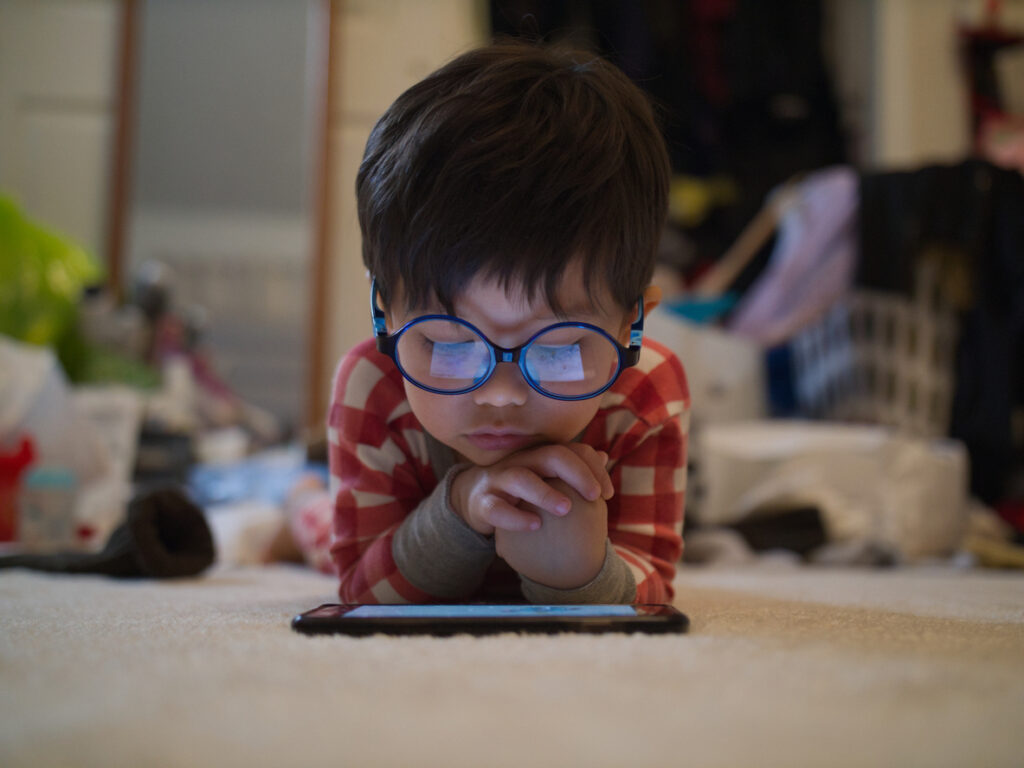
No matter how many parental controls you set, kids with phones will eventually encounter content they’re not developmentally prepared to process: violence, inappropriate content, and other disturbing material. That exposure can be traumatic and affect their understanding of relationships and appropriate behaviour.
Young children don’t have the context to make sense of what they’re seeing, and it shapes their worldview in unhealthy ways. They also face contact from predators who target young users on apps and games.
11. Eating habits worsen from mindless snacking while using phones.

Kids who eat while staring at screens consume more food without registering fullness because they’re not paying attention. This contributes to poor nutrition and weight gain, particularly because they reach for convenient, processed snacks. Family meals suffer too; instead of connecting over food, everyone’s on their devices, which means kids don’t learn healthy eating behaviours. The combination of sedentary phone time and mindless eating creates patterns that are difficult to break.
12. Self-esteem gets tied to online validation and approval.

When children’s sense of worth becomes dependent on likes, comments, and online popularity, they lose the ability to value themselves independent of external validation. It creates fragile self-esteem that’s constantly threatened by the next post not performing well or someone unfollowing them.
Kids develop an unhealthy relationship with their own image, obsessively curating and filtering photos to present a version of themselves that gets approval. The younger they start seeking validation through phones, the more deeply embedded this becomes during crucial developmental years.