You might not notice it happening at first.

One day, you’re bouncing back from late nights without a problem, and the next, you’re wondering why your skin looks tired or why your knees make that strange sound every time you stand up. Hitting your 40s doesn’t mean you suddenly start falling apart, but it is the decade when ageing starts to quietly pick up speed.
That’s because the changes that once happened slowly in your 20s and 30s start to gather momentum. Hormones change, muscle mass drops, collagen production slows, and recovery takes longer than it used to. None of it happens overnight, but these subtle changes are what make your 40s such a turning point. Understanding what’s really going on in your body can help you stay strong, sharp, and energetic for much longer.
1. Your metabolism properly slows down.

You might have noticed you can’t eat like you used to without putting on weight. That’s because your metabolism drops by about 5% every decade after 40, and it becomes really noticeable now. Your body needs fewer calories to function and burns fat less efficiently. The same diet that kept you slim in your 30s now adds pounds because your body’s changed how it processes food. It’s not about willpower, it’s about biology changing.
2. Muscle mass starts disappearing faster.
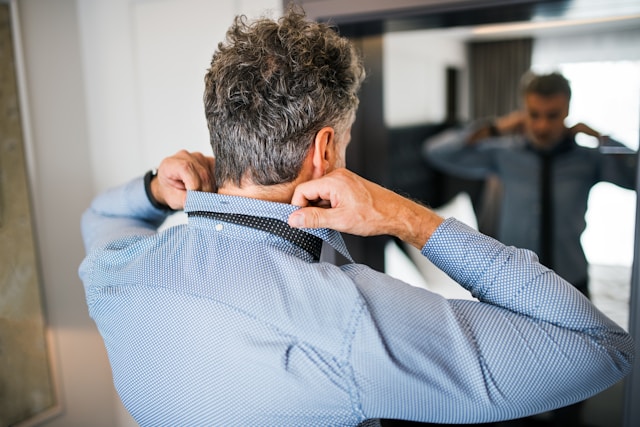
From your 40s onwards, you lose about 3% to 5% of your muscle mass each decade. This is called sarcopenia, and it’s why people start looking less toned even if they’re not gaining fat. Less muscle means a slower metabolism because muscle burns more calories than fat does. It’s a double whammy that makes staying in shape much harder than it was in your 20s and 30s.
3. Your skin loses collagen at an accelerated rate.

Collagen production drops off dramatically in your 40s. You lose about 1% of your collagen each year after this point, which is why wrinkles and sagging suddenly become more obvious. Your skin gets thinner and less elastic, so it doesn’t bounce back the way it used to. This is when people start noticing proper lines around their eyes and mouth that don’t disappear when they stop smiling.
4. Recovery from exercise takes much longer.

That workout that left you slightly achy in your 30s now leaves you hobbling for days. Your body repairs itself more slowly because cell turnover slows down as you age. Inflammation hangs around longer, too, which is why injuries take ages to heal and why you wake up stiff after doing something physical. Your body’s still capable, it just needs more time to recover between efforts.
5. Hormones start changing in both men and women.

Women approaching menopause see their oestrogen levels drop, which affects everything from mood to bone density. Men’s testosterone gradually declines, affecting muscle mass, energy levels, and metabolism. These hormonal changes don’t happen overnight, but they accelerate in your 40s. They’re responsible for a lot of the changes people blame on just getting older, when it’s actually specific hormones causing specific effects.
6. Your eyesight noticeably worsens.

If you’ve suddenly found yourself holding your phone further away to read it, that’s presbyopia. The lens in your eye becomes less flexible in your 40s, making it harder to focus on close objects. This happens to pretty much everyone, and it’s why reading glasses become necessary. The muscles that control your eye’s focus also weaken, which is a normal part of ageing but feels sudden when it kicks in.
7. Grey hair appears or spreads rapidly.

Your hair follicles produce less melanin as you age, and this really picks up speed in your 40s. Even if you had a few greys before, they multiply noticeably now. Hair texture changes too, often becoming coarser or thinner. This isn’t just about looks, it’s about the cells that produce hair pigment gradually shutting down as part of the ageing process.
8. Sleep becomes lighter and less restorative.

Deep sleep decreases in your 40s, and you spend more time in lighter sleep stages. This means you wake up more easily and don’t feel as refreshed even if you’ve been in bed for eight hours. Your body produces less growth hormone during sleep, which is needed for repair and recovery. This is partly why you feel more tired generally, and why sleep doesn’t recharge you the way it used to.
9. Joint stiffness becomes a regular thing.

The cartilage in your joints starts wearing down and producing less lubricating fluid. This is why you creak when you get up or need a moment to loosen up in the morning. Arthritis often begins showing up in your 40s, even if it’s mild. Years of use have taken their toll on your joints, and your body’s ability to repair that damage has slowed down.
10. Your immune system weakens.

You get ill more easily, and it takes longer to shake off colds and infections. Your thymus gland, which produces immune cells, starts shrinking in your 40s. This means fewer new immune cells being made and slower responses to threats. It’s why things like flu hit you harder now and why you need longer to recover from being poorly.
11. Bone density starts declining.

Your bones begin losing density faster than your body can rebuild it, especially in women as oestrogen drops. This makes bones more fragile and increases fracture risk. You don’t notice this happening because bones don’t hurt when they’re losing density. But it’s why older people break bones more easily and why building bone strength now through exercise and diet matters for later.
12. Memory and mental sharpness slip slightly.

Your brain starts shrinking slightly from your 40s onwards, particularly in areas involved in memory. Processing speed slows down a bit, which is why multitasking feels harder. That doesn’t mean you’re losing your mind, it’s normal cognitive ageing. You’re still capable of learning and thinking, it just takes a bit more effort than it did when you were younger.
Fat redistributes to different areas.

Even if your weight stays the same, fat moves to different places, particularly around your middle. This is hormonal and happens to most people regardless of diet or exercise. Belly fat increases because of how your body processes and stores energy differently now. This type of fat is also harder to get rid of than the fat you carried in other places when you were younger.
Cell damage accumulates faster than repairs happen.

Throughout your life, your cells get damaged by things like sun exposure, pollution, and normal metabolism. Your body repairs this damage constantly, but the balance shifts in your 40s.
Damage starts piling up faster than your body can fix it. This is basically what ageing is at a cellular level. Your repair mechanisms still work, they’re just slower and less efficient than they were, so problems accumulate. This affects everything from your skin to your organs and is why multiple changes seem to happen at once rather than gradually. Your 40s are when the body’s repair systems can’t quite keep up with the wear and tear anymore.