Science is often at its most elegant when it can pin down a massive, world-altering concept using just a couple of words.

You don’t always need a 500-page textbook to describe the fundamental rules of the universe; sometimes, a simple pairing of terms does the job perfectly. Whether it’s the invisible forces holding your morning coffee in the mug or the strange way time stretches when you’re moving fast, these two-word labels are the shorthand of the natural world.
Most of us have heard these phrases tossed around in school or on a late-night documentary, but knowing the name and actually understanding the mechanics are two very different things. You’re likely familiar with the big hitters, but as you dig a bit deeper into the jargon, you’ll find that even the simplest-sounding terms are doing some serious heavy lifting.
1. Black hole
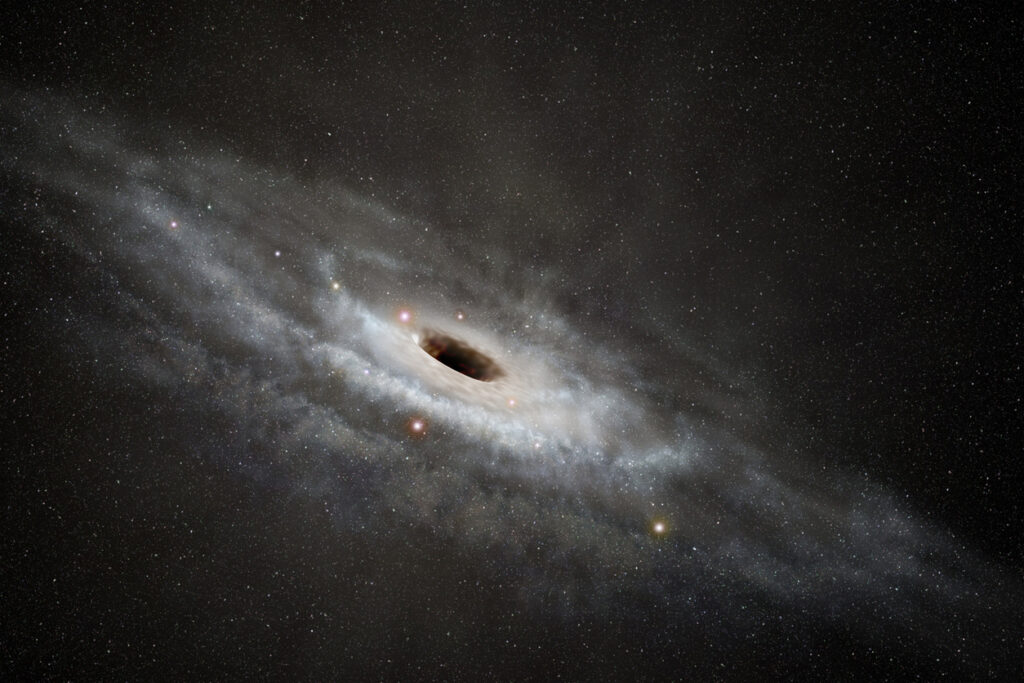
A region in space where gravity is so intense that nothing, not even light, can escape once it crosses the boundary. They form when massive stars collapse at the end of their lives, and their existence was predicted mathematically long before anyone found direct evidence of them. The first image of one was only captured in 2019, which tells you how difficult they are to observe directly.
2. Dark matter
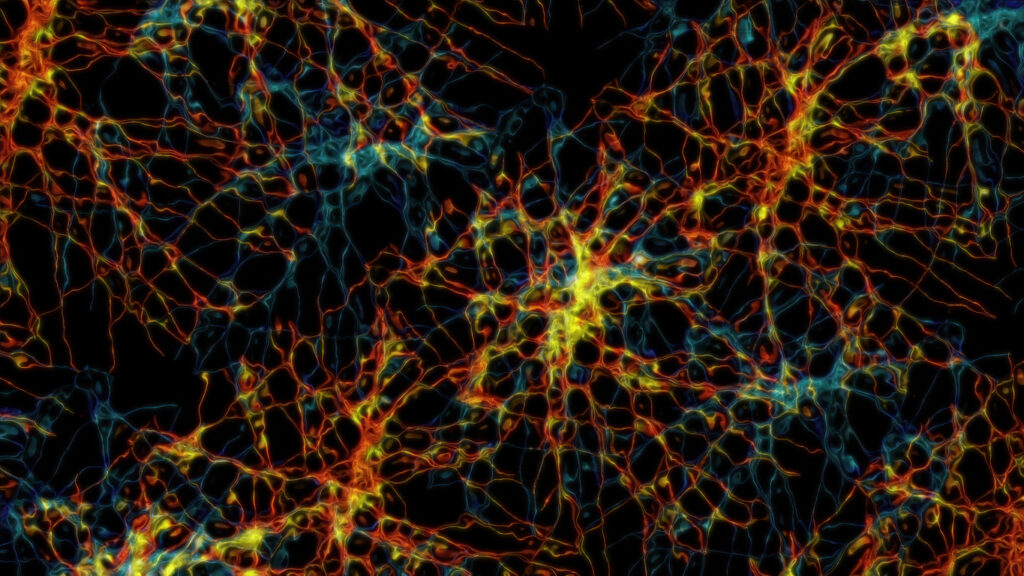
Something that makes up roughly 27 percent of the universe but can’t be seen, detected directly or fully explained. Scientists know it’s there because of the gravitational effect it has on visible matter, particularly on the way galaxies rotate. Without dark matter, the maths of how galaxies hold together simply doesn’t work, and yet nobody has managed to identify what it actually is.
3. Tectonic plates

The giant slabs of rock that make up the Earth’s outer layer, constantly moving in relation to each other at roughly the speed a fingernail grows. Where they collide, you get mountain ranges and earthquakes. Where they pull apart, you get rift valleys and volcanic activity. The theory that explained all of this, plate tectonics, was only widely accepted in the 1960s, despite the evidence having been visible on maps for centuries.
4. Natural selection
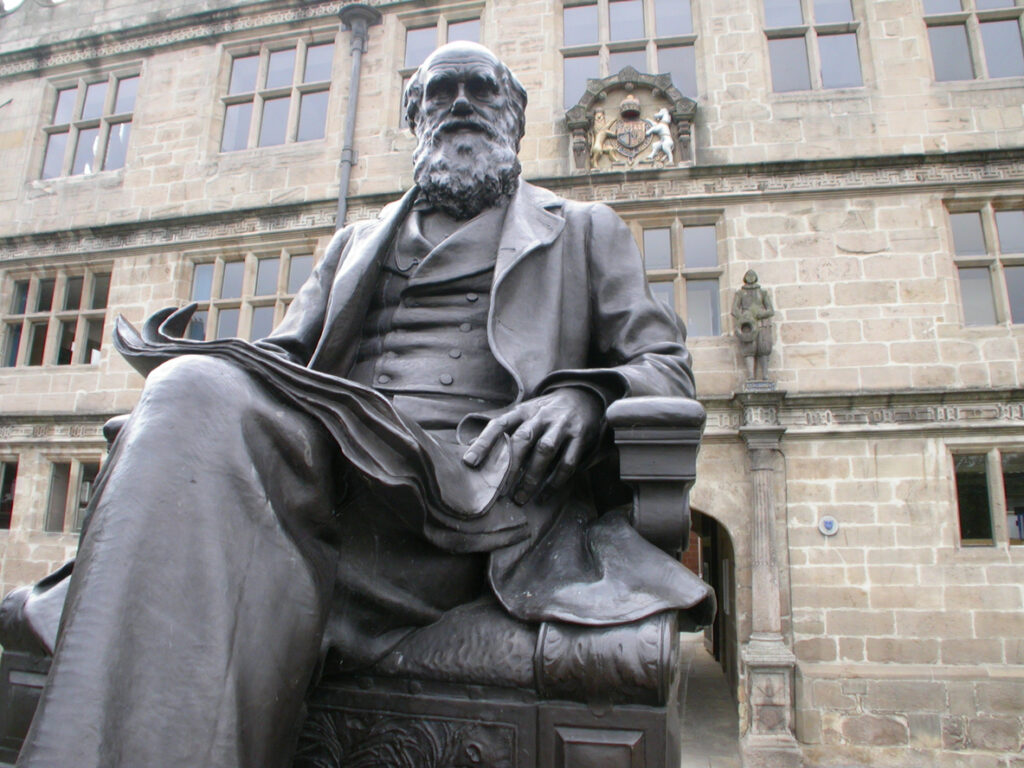
Charles Darwin’s mechanism for evolution, describing the process by which organisms better suited to their environment tend to survive and reproduce more successfully than those that aren’t. Over generations, those advantageous traits become more common in a population. It’s one of the most powerful explanatory ideas in all of science, and it works without any planning, intention or direction behind it.
5. Quantum entanglement
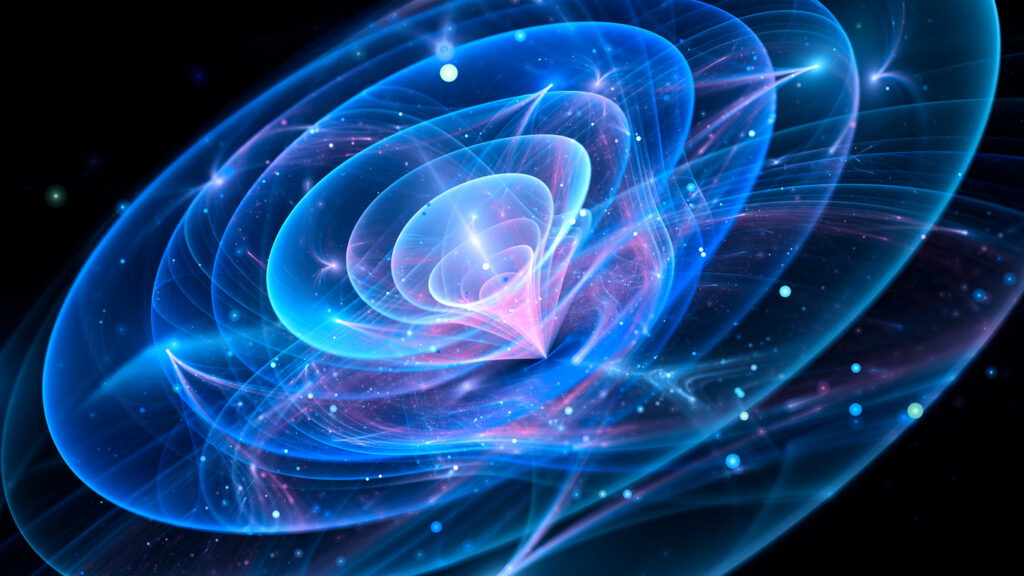
A phenomenon where two particles become linked in such a way that the state of one instantly affects the state of the other, regardless of the distance between them. Einstein famously called it spooky action at a distance and was deeply uncomfortable with the implications of it. It has since been experimentally confirmed many times over and forms the basis of emerging quantum computing and communication technologies.
6. Doppler effect
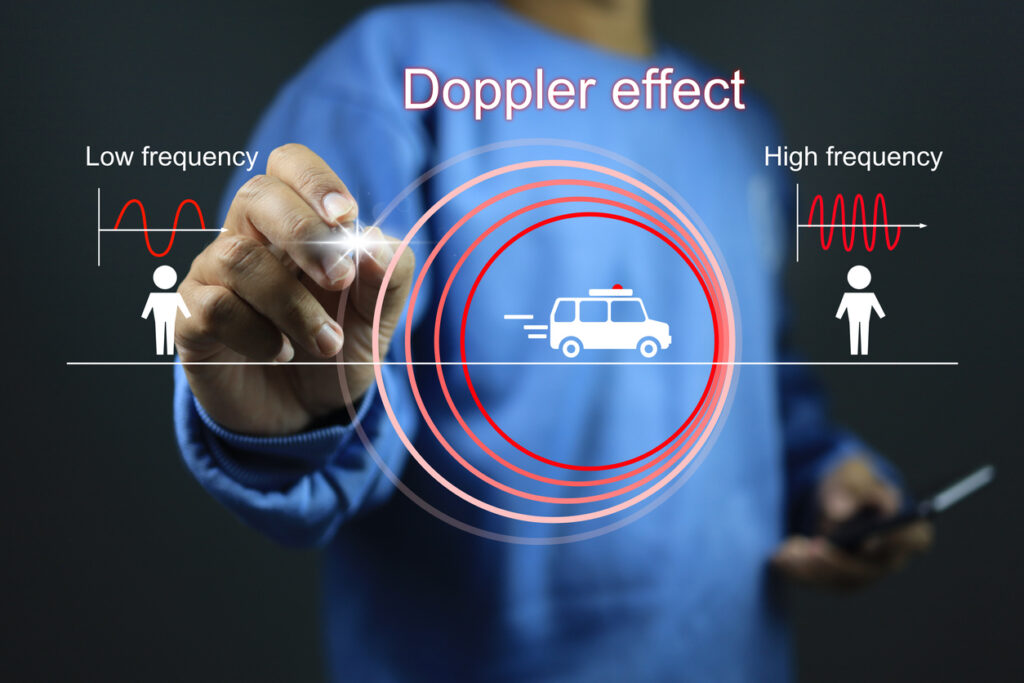
The change in frequency of a wave relative to an observer moving in relation to its source. It’s the reason an ambulance siren sounds higher pitched as it approaches and lower as it moves away. In astronomy, the same effect applied to light allows scientists to determine whether stars and galaxies are moving toward us or away from us, and how fast.
7. Absolute zero

The lowest temperature theoretically possible, sitting at minus 273.15 degrees Celsius, where all molecular motion effectively stops. Nothing in the universe has ever been measured at exactly this temperature, though scientists have come extraordinarily close in laboratory conditions. It represents the point at which a substance holds the minimum possible thermal energy.
8. Covalent bond

A type of chemical bond where two atoms share electrons rather than transferring them. It’s the kind of bonding responsible for holding together water molecules, DNA strands and most of the organic compounds that living things are made of. The stability and strength of covalent bonds is part of what makes carbon such a uniquely versatile building block for life.
9. Seismic wave
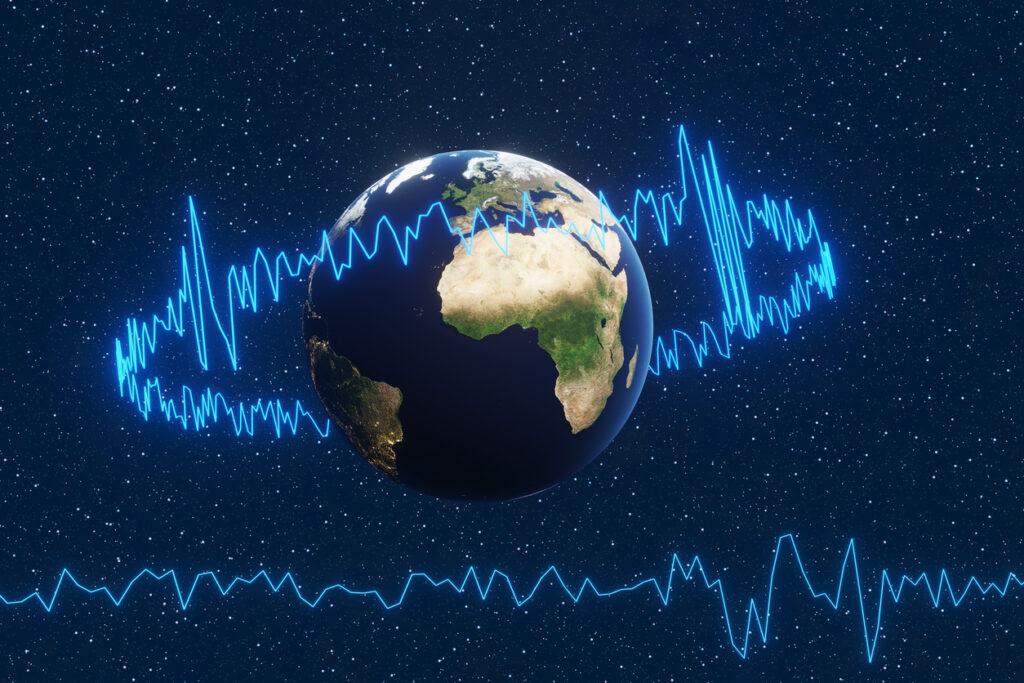
The energy that travels through the Earth following an earthquake, radiating outward from the point of rupture in all directions. Scientists use the behaviour of seismic waves as they pass through different layers of the planet to work out what the interior actually looks like, since nobody has ever drilled anywhere near deep enough to see it directly. Most of what we know about the Earth’s core comes from reading these waves.
10. Osmotic pressure
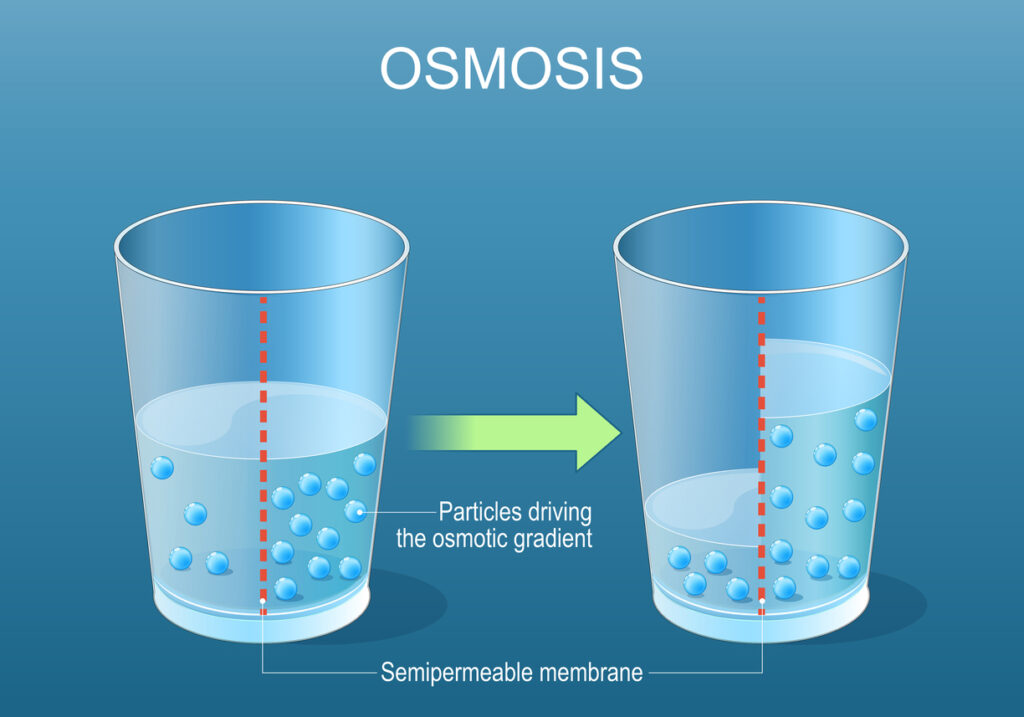
The pressure required to stop water from moving across a semi-permeable membrane from a region of lower concentration to higher concentration. It’s a fundamental process in biology, responsible for things like the way plant cells take up water, how kidneys filter blood and how cells in general maintain their internal balance. Getting it wrong in either direction causes cells to either shrink or burst.
11. Half life

The time it takes for half of a radioactive substance to decay into something else. It’s a fixed, predictable value for each element, ranging from fractions of a second for some isotopes to billions of years for others. This predictability makes radioactive decay one of the most reliable clocks available to science, used to date everything from ancient human remains to the age of the solar system.
12. Solar wind

A constant stream of charged particles flowing outward from the sun in all directions at speeds of up to 800 kilometres per second. It’s responsible for the auroras visible near the Earth’s poles, shapes the tails of comets so they always point away from the sun, and poses a real challenge for long-distance space travel because of the radiation involved. The Earth’s magnetic field protects us from most of it.
13. Cognitive bias

A systematic pattern of deviation from rational thinking that affects how people perceive information and make decisions. There are hundreds of identified cognitive biases, from confirmation bias, where people seek out information that supports what they already believe, to the availability heuristic, where people overestimate the likelihood of things that come easily to mind. Understanding them has become a significant area of both psychology and behavioural economics.
14. Terminal velocity

The maximum speed a falling object reaches when the drag force acting upward on it exactly equals the gravitational force pulling it downward, resulting in no further acceleration. For a human in free fall, it’s around 200 kilometres per hour in a standard position, though skydivers can significantly alter this by changing their body position. The concept applies to anything moving through a fluid, including objects falling through water or air.