Millennial fathers are rewriting the rules of parenting in ways that would have shocked their own dads.
It’s not that they disapprove of the way their own dads raised them (though that’s certainly possible). They just recognise that times have changed, and so too should parenting styles. Unfortunately, the generational clash over what makes a “good father” is causing serious family drama.
1. They actually change nappies without being asked.
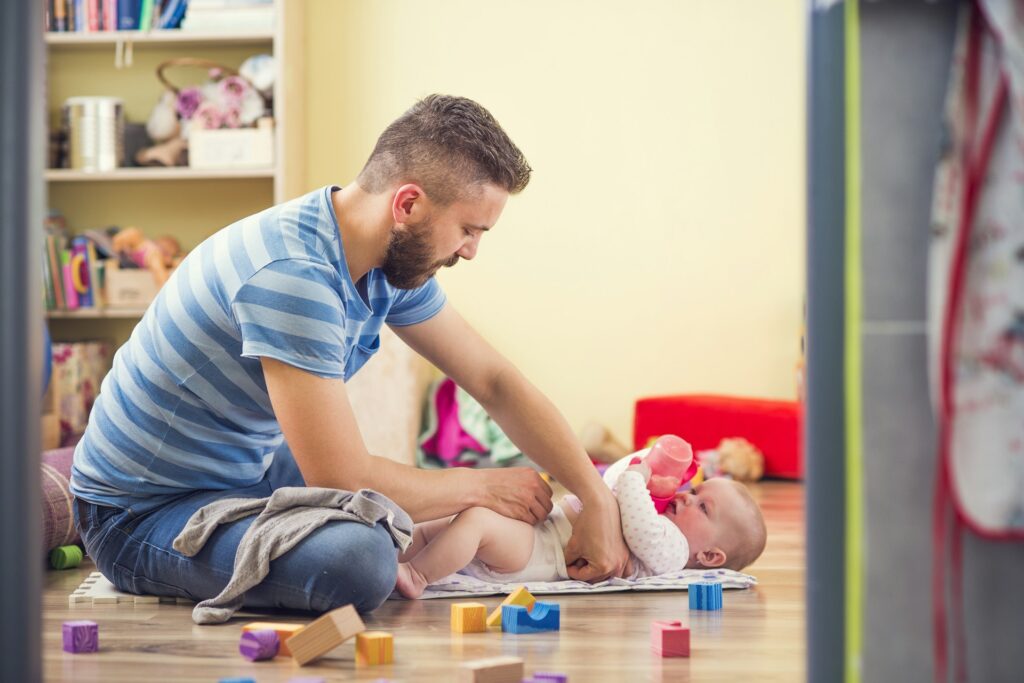
While their fathers might have considered nappy changing “women’s work,” millennial dads jump in without thinking twice about it. They see childcare as a shared responsibility rather than something they’re “helping” with, which completely changes the dynamic of parenting partnerships.
Boomer dads often feel defensive about this because it highlights how little hands-on parenting they actually did. They’ll make comments about how they “provided for the family” as if emotional presence and daily care don’t matter just as much as financial support.
2. They talk openly about their feelings with their kids.

These dads don’t hide their emotions or teach their children that crying is weakness, and they’ll openly discuss mental health, anxiety, and feelings in ways that would have horrified the “children should be seen and not heard” generation.
Older generations worry this creates “soft” children who can’t handle the real world, but millennial dads understand that emotional intelligence and mental health awareness are actually life skills that help kids navigate challenges better than bottling everything up.
3. They prioritise work-life balance over climbing the ladder.
Unlike their workaholic fathers who missed school plays and family dinners for the sake of their careers, millennial dads will turn down promotions or refuse overtime if it means missing critical moments with their children.
Boomer fathers see this as lazy or unambitious because they sacrificed family time to build financial security, but millennial dads watched their fathers miss their childhoods and decided money isn’t worth that trade-off. They want to be present, not just providers.
4. They’re comfortable with their kids questioning authority.

These fathers encourage their children to ask “why” and to think critically about rules and expectations, rather than demanding blind obedience. They see questioning as a sign of intelligence and healthy development, not disrespect.
The “because I said so” generation thinks this undermines parental authority and creates disrespectful children, but millennial dads want to raise kids who can think for themselves rather than just follow orders without understanding the reasoning behind them.
5. They support their daughters’ ambitions unconditionally.

While their fathers might have steered daughters toward “feminine” careers or focused more on their sons’ achievements, millennial dads push their daughters to pursue whatever interests them, whether that’s engineering, sports, or leadership roles.
Older generations sometimes worry that encouraging girls to be too ambitious will make them “unfeminine” or hurt their chances of finding husbands, but millennial fathers want their daughters to be independent and capable, regardless of what anyone else thinks.
6. They’re hands-on with school and activities.

These dads show up to parent-teacher conferences, volunteer for school events, and know their children’s teachers’ names, rather than leaving all educational involvement to their wives like previous generations often did.
Boomer dads might joke about being “dragged” to school functions or act like educational involvement is emasculating, but millennial fathers understand that being engaged in their kids’ education shows them that learning and achievement matter to both parents.
7. They don’t gender their parenting style.

Millennial fathers parent their sons and daughters pretty much the same way, encouraging both to be strong and sensitive, competitive and caring. They don’t have different expectations based on gender, which creates confusion for grandparents who had very specific ideas about raising boys versus girls.
The older generation worries this will confuse children about gender roles, but millennial dads want their kids to develop their full range of human capabilities, rather than limiting themselves to outdated stereotypes about what boys and girls should be like.
8. They admit when they’re wrong and apologise to their kids.
When they make mistakes or lose their temper, these fathers will actually apologise to their children and acknowledge their errors, rather than maintaining the facade of parental infallibility that previous generations thought was necessary for respect.
Boomer parents think this undermines authority and teaches kids that adults are fallible, but millennial dads understand that modelling accountability and humility actually earns more genuine respect than pretending to be perfect ever could.
9. They research parenting strategies instead of just winging it.

These fathers read parenting books, follow child development experts, and actually think about their approach to discipline and communication rather than just repeating whatever their parents did to them.
Older generations often mock this as overthinking or “participation trophy” parenting, but millennial dads want to break cycles of harmful patterns and learn from research about what actually helps children thrive emotionally and academically.
10. They encourage creative expression over traditional success.

While their fathers might have pushed them toward “practical” careers and dismissed artistic pursuits as hobbies, millennial dads support their children’s creative interests and understand that success can look different for different people.
Boomer grandparents worry that encouraging art, music, or unconventional paths will leave their grandchildren struggling financially, but millennial fathers believe that following your passions leads to more fulfilment than settling for security in careers you hate.
11. They share household duties equally with their partners.

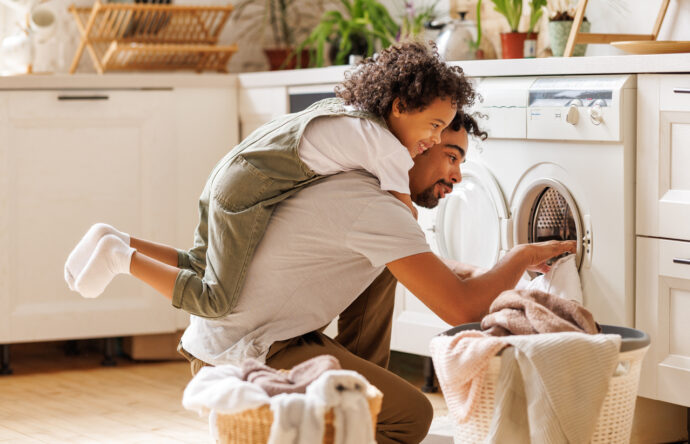
These dads cook dinner, do laundry, and clean the house without considering it “helping” their wives because they see domestic work as shared responsibility rather than women’s natural domain.
The older generation sometimes feels uncomfortable seeing their sons doing what they consider “women’s work,” but millennial fathers want their children to see partnerships as truly equal and to learn that all adults should be capable of taking care of themselves and their homes.
12. They take paternity leave without shame.

When companies offer paternity leave, these fathers actually use it and don’t worry about how it might affect their career advancement or what colleagues might think about men taking time off for childcare.
Boomer fathers often can’t understand why men would want to stay home with babies when they could be working, but millennial dads understand that bonding time with newborns is precious and that supporting their partners during recovery isn’t optional.
13. They’re affectionate and openly loving with their children.
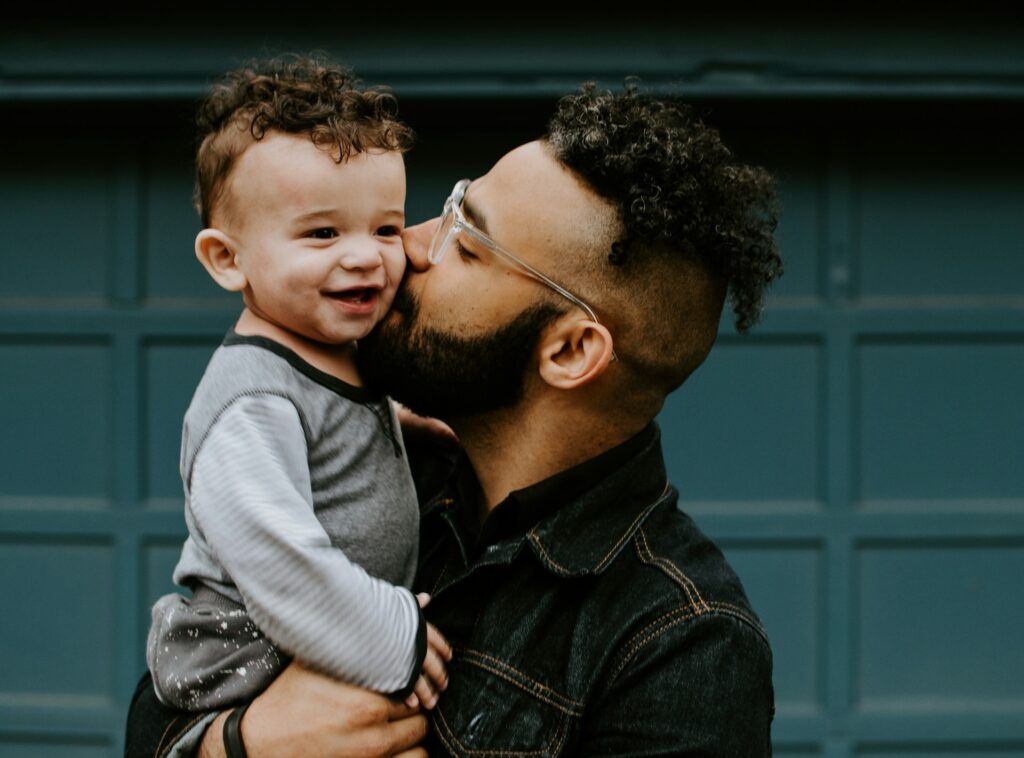
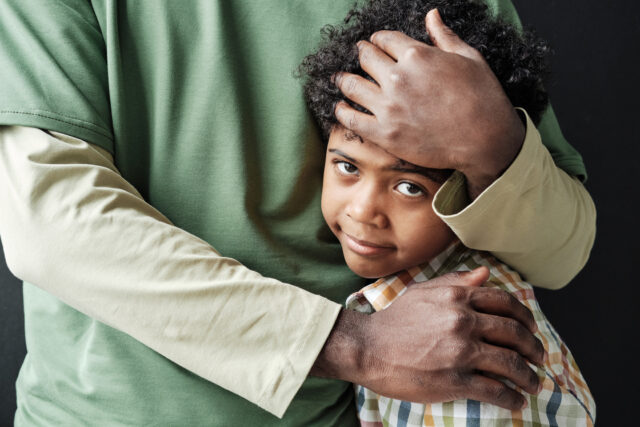
These dads hug, kiss, and say “I love you” to their children regularly, especially their sons because they understand that physical affection and emotional warmth are crucial for healthy development regardless of gender.
The “tough love” generation worries this will make boys too soft or dependent, but millennial fathers know that children who receive plenty of affection and emotional support actually become more confident and resilient, not weaker.
14. They want to be friends with their kids, not just authority figures.
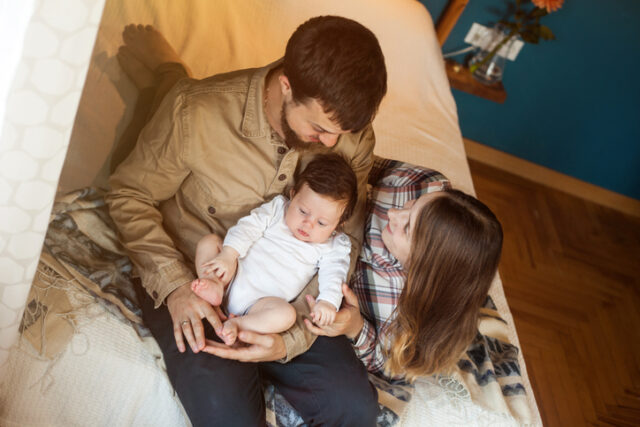
While maintaining appropriate boundaries, millennial dads want genuine relationships with their children built on trust and communication, rather than fear and distance. They hope their kids will actually want to spend time with them as adults.
Older generations think this is a mistake because they believe children need to fear their parents to respect them, but millennial fathers watched their own distant relationships with their fathers and decided they want something warmer and more connected with their own children.