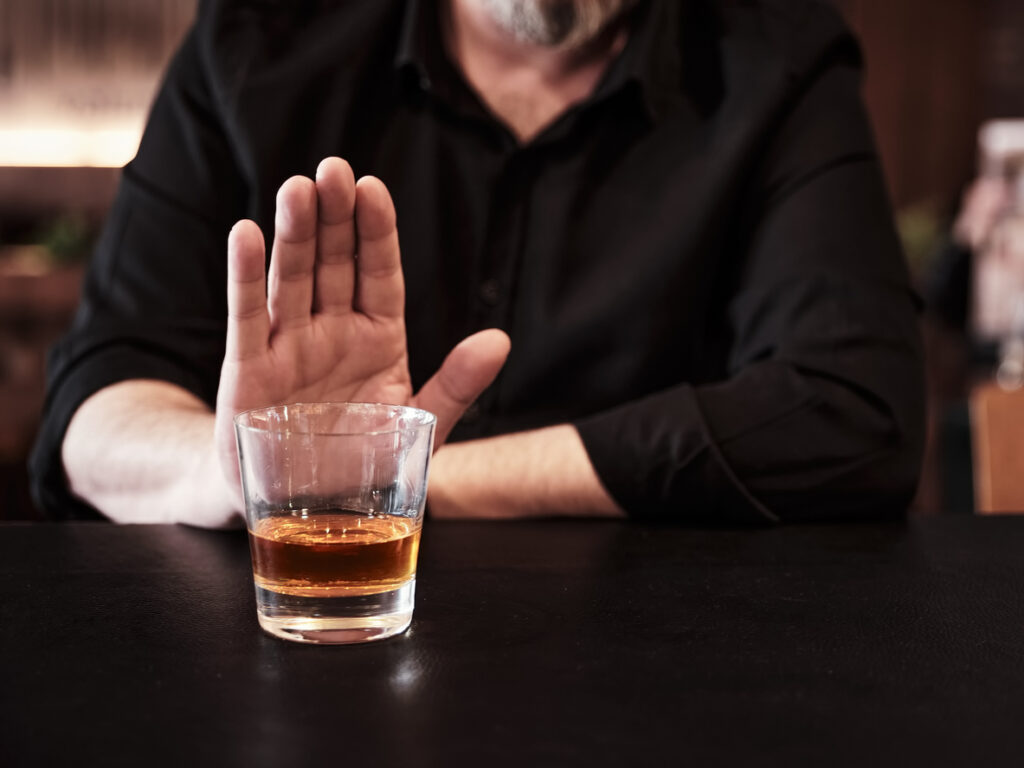
I didn’t quit drinking because of a dramatic rock bottom moment. There was no big announcement or public promise; I was just tired of feeling slightly off all the time, tired of planning weekends around hangovers, and curious about who I was without the buzz. I told myself I would take a year off and see what happened. I expected changes to my sleep and energy. I did not expect my friendships to look different.
Some friendships were built almost entirely around alcohol.
The first thing I noticed was how many plans revolved around drinking. If there was no pub, no wine, no round of pints, the evening felt incomplete. Once I removed alcohol, some friendships felt strangely hollow, as if we had taken the main activity away and were left searching for something to do. It was not that these people were bad friends, but alcohol had been the shared language. Without it, we had to actually talk, and sometimes that exposed how little we had in common beyond late night stories.
I realised who only called after a few drinks.
There are friends who check in on a random afternoon, and there are friends who only appear after 9pm with emotional voice notes and big declarations. When I stopped drinking, that pattern became obvious. Some connections were fuelled by tipsy honesty that never quite translated into daylight. Without alcohol, the late night intensity faded and so did some of those bonds. What remained felt steadier, less dramatic, and far more real.
@veronicavalli3 Your friendships change when you get sober. There is various reasons for this but I think growth is one of them. You can’t grow emotionally when you abuse alcohol. When you get sober personal growth takes off. And you grow past people. You are just on different paths. #emotionalsobriety #sobertoks #sobertok #sobercurious #alcoholfree ♬ original sound – Veronica Valli
Being the sober one changed group dynamics more than I expected.
When you’re the only sober person at the table, you see everything clearly. The same jokes land harder, the same stories get repeated, the same disagreements bubble up. I worried people would think I was judging them, but most were too busy enjoying themselves to notice. What changed was my own sense of calm. I was not riding the same emotional highs and lows, and that steadiness made me realise how chaotic some nights used to feel, even when I told myself they were fun.
Certain conversations felt different when I remembered every word.
There is something revealing about remembering every detail of a conversation. No blur, no gaps, no morning after anxiety. Chats that once felt deep sometimes felt thinner when heard without a haze. At the same time, I noticed I listened more carefully. I was not waiting for my turn to speak louder or funnier. That shift made some friendships stronger because the connection felt less like performance and more like presence.
A few people were uncomfortable with my choice.
I expected curiosity, but I did not expect subtle defensiveness. Some friends asked if this meant I thought drinking was bad, even though I had never said that. Other people kept nudging me to have just one, as if my choice unsettled them. It made me see how stepping away from a shared habit can feel like a mirror. Most people adjusted quickly, but the small number who did not revealed how much our bond had been tied to the ritual itself.
Some friendships got stronger in ways I did not expect.
Not all the changes were awkward. A few friendships deepened once alcohol was no longer the main event. We swapped late nights for morning walks and long coffees, and the conversations felt slower and more grounded. I saw who was happy to meet me where I was, who did not care what was in my glass. Those friendships felt sturdier, less dependent on mood, and more rooted in actual connection.
@tytockerticking What happens when you get sober? Friendships can evolve in unexpected ways. Sobriety has changed my life and my relationships! Watch to hear the story. 👉🏻follow @GETREALNEWS and subscribe! Support independent reporting at www.getrealnews.org. #sobercurious #sobriety #sobertalk ♬ original sound – Ty
I had to learn how to sit with ordinary evenings.
Sometimes drinking is not about celebration, but about filling space. Without it, I had to face evenings that were simply normal. No quick lift, no background buzz, just time together. At first, that felt dull, then it felt peaceful. I began to see which friendships could handle quiet moments without needing constant stimulation, and those were the ones that felt safest.
I realised I had been using alcohol as social armour.
I always thought I drank because it was fun, and often it was, but it was also a shortcut to confidence. It softened awkwardness and made me feel more outgoing than I really was. Without that layer, I had to show up as myself, sometimes unsure and sometimes reserved. That felt exposed at first, yet it also felt honest. The friends who stayed seemed to prefer the consistent version of me over the louder one.
Not everyone noticed as much as I thought they would.
In my head, quitting drinking felt like a huge statement. In reality, most people adjusted within a few weeks. The world did not revolve around my choice, and the pub did not suddenly close its doors. That was strangely freeing. It showed me that we often overestimate how much attention other people pay to our habits, and that real friends care more about showing up than what is in your glass.
I saw which friendships were about connection rather than routine.
A year without alcohol stripped things back to basics. The friends who remained close were the ones who valued the relationship itself, not just the shared habit of drinking together. We laughed just as much, sometimes more, and the bond did not depend on the setting. Quitting did not dramatically reshape my social world, but it quietly rearranged it, and that rearranging showed me which connections were built to last.