If you keep walking away from conversations with someone feeling a bit smaller, a bit less sure of yourself, it’s not just bad luck. In fact, it’s usually a pattern.

Some people have personality traits that make them subtly (or not so subtly) chip away at everyone around them to feel bigger themselves. It’s not always shouting or obvious insults. Sometimes it’s quiet digs, constant “advice,” or a tone that leaves you second-guessing yourself. Here are 15 personality traits often found in people who tear others down, and why it’s more about them than it is about you.
1. They’re deeply insecure, just very good at hiding it.

Insecurity doesn’t always look like low self-esteem. In some people, it shows up as competitiveness, condescension, or a need to be right all the time. Making you feel unsure gives them a quick ego boost. They may pretend they’re confident, but it’s often just a cover. If someone constantly needs to knock people down to feel okay, it’s a sign they don’t feel all that steady inside themselves.
2. They see relationships as power plays.

For some people, every interaction feels like a game of leverage. If they can keep you a bit off-balance—feeling unsure, second-guessing, trying to prove yourself—they feel like they’ve “won.” They have to be in control at every turn. They don’t want equals, they want an upper hand. They’ll keep chipping away at your confidence until you shrink yourself around them.
3. They lack emotional empathy.

Someone who can’t sense how their words or tone affect you often keeps going long after they’ve crossed the line. It’s not that they didn’t notice. I’s that it doesn’t register as important to them. That lack of empathy means they don’t pause to think, “How would I feel if someone said this to me?” So they keep making jokes at your expense or dismissing your feelings like it’s no big deal.
4. They’re addicted to being the smartest person in the room.

Some people feel genuinely threatened by anyone else’s insight, creativity, or success. So instead of learning from other people, they constantly interrupt, correct, or downplay everything that’s not theirs. If someone always has to be the authority or the expert, even on topics they barely understand, they’ll naturally try to shrink everyone around them to protect that image. They value status, not truth.
5. They confuse criticism with conversation.

There’s nothing wrong with honest feedback, but when someone constantly nitpicks, undercuts, or frames everything as advice you never asked for, it starts to wear you down. These people often think they’re just “being honest” or “helping,” but really, they’re positioning themselves as superior. It’s their way of taking up more space in the room, while making you take up less.
6. They thrive on subtle competition.

If someone’s always trying to one-up you, whether it’s your holiday story, your work win, or your personal struggle, it’s not friendly banter. It’s their way of proving they’re more interesting, more successful, more deserving. Even when they’re smiling, the undertone is “I’m better than you.” When that becomes a pattern, it stops feeling like a conversation and starts feeling like an emotional arm wrestle you never signed up for.
7. They have a passive-aggressive streak.

Instead of being direct, they drop comments that feel like jokes, but land like jabs. Things like “You’re so brave to wear that” or “Must be nice having so much free time” carry a sting wrapped in sugar. You’re left unsure whether to laugh, get defensive, or let it slide, and that’s exactly the point. Passive aggression lets them get a dig in while still looking polite on the surface.
8. They crave control more than connection.

People who always need to steer the conversation, set the tone, or decide what’s acceptable often make others feel small without even noticing. Their need to be in charge outweighs their ability to connect. If you start feeling like you can’t be yourself around someone, or you’re always walking on eggshells, there’s usually a power dynamic at play, and they want to stay on top of it.
9. They don’t handle other people’s confidence well.

Some people see your confidence as a threat, not a celebration. If you speak with conviction, they might roll their eyes. If you share a win, they’ll find a way to make it seem small or lucky. They’re not reacting to you; they’re reacting to their own discomfort with someone who isn’t shrinking themselves. So, they’ll try to poke holes in it until you start doubting yourself too.
10. They rely on backhanded compliments.

This is one of the classic tools for making someone feel small. “You actually look good in that” or “I didn’t expect you to do so well” might sound vaguely positive, but they’re laced with comparison and disbelief. It’s a subtle way of undermining you while pretending to lift you up. You’re left with a weird mix of confusion, discomfort, and “Was that nice… or not?” That’s the point. It keeps you unsure of where you stand.
11. They need you to doubt yourself.

Some people stay in control by keeping everyone around them off-centre. If they can make you second-guess your choices, your memory, or even your personality, they stay in the driver’s seat emotionally. Whether it’s through gaslighting, constant correction, or subtle dismissal, the message is the same: “You’re not quite right, and I know better.” As time goes on, it ruins your ability to trust yourself in ways that are hard to spot until you’re deep in it.
12. They can’t celebrate other people genuinely.

If your good news is always met with a “Hmm” or a change of subject, it’s not you, it’s them. Some people can’t handle anyone else’s success because it activates their own sense of inadequacy. Rather than say “Well done” or ask questions, they deflect, minimise, or awkwardly move on. It’s a quiet way of shrinking your happiness to make space for their ego.
13. They see vulnerability as weakness.
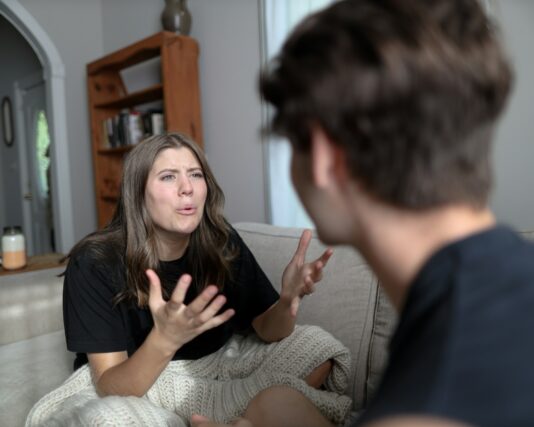
People who see emotional openness as weakness often attack it. If you express fear, sadness, or uncertainty, they’ll mock it or dismiss it, not because you’re wrong, but because they’re uncomfortable with it. By making you feel silly or “too sensitive,” they keep the emotional tone shallow and controlled, where they feel safe. However, it leaves you feeling unseen and smaller every time.
14. They need constant validation, but rarely give it.

Some people expect endless recognition, attention, or praise, but when the roles reverse, they fall silent. They’re happy to soak up admiration, but stingy when it comes to offering it back. This imbalance makes you feel like you’re always proving something, while they coast on a sense of superiority. In the long run, it makes you question your own worth, even though they’re the ones running on empty inside.
15. They’re drawn to people they can subtly control.

People who tear others down rarely go after confident, self-assured types, unless they think they can chip away at that confidence in the long run. They often pursue those who are empathetic, kind, or unsure of their place. If you’ve been made to feel small, it’s not because you are. It’s because someone saw your strength and tried to tame it. The more you spot these traits in other people, the quicker you can walk away from the ones who don’t deserve your energy.