Turning 50 doesn’t mean you’re meant to fall apart, but it does mean you can’t ignore the little losses anymore.

The annoying part is that it often starts with small stuff you brush off, like feeling stiffer in the morning or getting winded on stairs. If a few of these have slipped away, it doesn’t mean you’re doomed, it just means you’ve got something to rebuild. Make a concerted effort to master these skills again (or for the first time), and you’ll be much better off for it.
1. Get up off the floor without using your hands
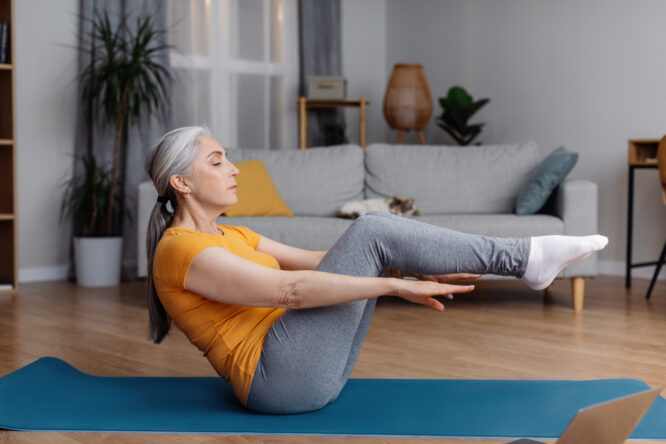
This is one of those simple tests that sounds silly until you try it. If you have to plant your hands, grab furniture, or do a full-on struggle to stand, it usually points to weak legs, stiff hips, or poor balance. A lot of people don’t notice this change because they don’t spend much time on the floor anymore, so the decline sneaks up.
The floor thing is important because it’s linked to real independence. Being able to stand up smoothly means your lower body still has power and your joints still move well. If it’s hard, it’s a sign you need to work on strength and mobility, not just getting fitter in a vague way.
2. Walk up a couple of flights of stairs without needing a breather

If stairs make you feel like you’ve just done a sprint, that’s worth paying attention to. People often blame age, but a lot of the time it’s simply that daily life has become too sedentary, and your heart and lungs have adapted to doing less. The scary part is how quickly you can accept that as normal.
Being out of breath from stairs doesn’t mean you’ll never run a marathon. This is about basic stamina for everyday life, like rushing for a train, carrying shopping, or moving around without planning rests. If you’re winded easily, you’ve got a clear sign you need more regular movement that actually raises your heart rate.
3. Carry heavy shopping for five minutes without your grip giving up

Grip strength fades faster than people expect, and you notice it in random places. Bags feel heavier, jars are harder to open, and your hands get tired quicker than they used to. It can feel like a small inconvenience, but grip strength is tied to overall strength and even long-term health outcomes.
If your hands give up quickly, it usually means you’re not challenging your muscles much in everyday life. The good news is grip responds well to simple changes like carrying things, hanging from a bar, or doing strength work with your hands involved. It’s one of the easiest things to improve once you actually notice it’s slipping.
4. Turn your head to check behind you without moving your whole body

If you’re doing a full torso turn just to look over your shoulder, your neck and upper back are probably stiff. That stiffness creeps in with desk life, lots of phone use, and not moving through full ranges anymore. It can feel normal until you realise you’re driving like a robot.
Neck and upper back mobility matters more than people think because it affects posture, breathing, and even headaches. If turning your head feels restricted, it’s usually a sign you need more movement through the spine and shoulders. Flexibility isn’t good just for the sake of it; it’s a way of keeping basic movement smooth and safe.
5. Squat down to pick something up and stand back up without wobbling
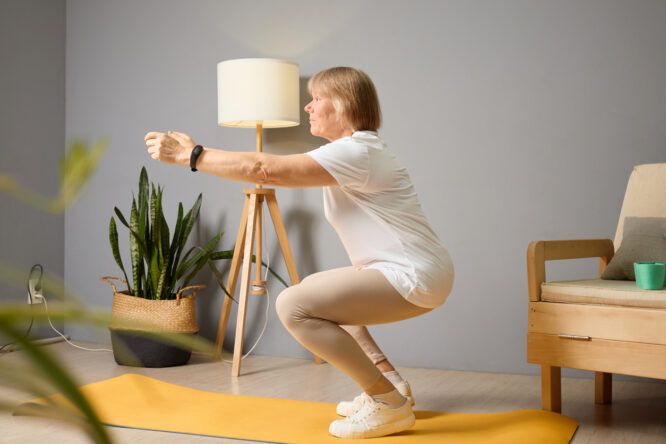
There’s a difference between a controlled squat and the awkward half-crouch people start doing when they don’t trust their knees or hips. If you can’t squat down without your heels lifting, knees collapsing, or balance going, it’s a sign something is weak or tight. A lot of people avoid squatting for years without realising what it costs them.
Squatting is basically the movement behind sitting down, standing up, gardening, picking up kids, and loads of normal stuff. If it feels unstable, it’s worth building it back slowly because it protects your joints in real life. A solid squat is less about gym goals and more about having a body that still works well day to day.
6. Balance on one leg for 20 seconds without holding on
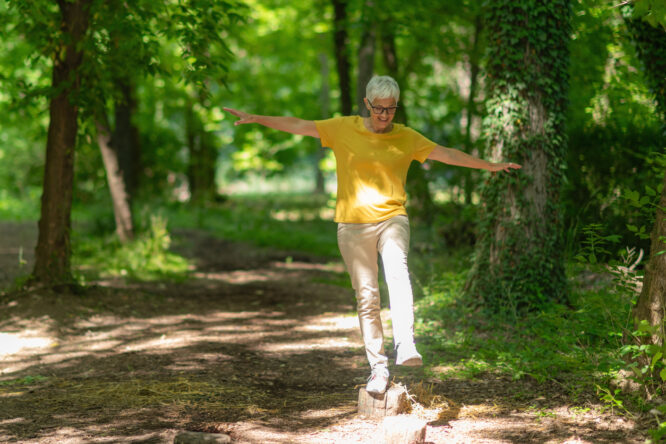
Balance is one of those things people assume they either have or they don’t, but it’s trainable. If you can’t stand on one leg without waving your arms, grabbing a chair, or putting the foot down straight away, that’s a clear signal. Balance tends to drop with age, partly because we stop challenging it, not because it’s destined to vanish.
It matters because balance is linked to falls, and falls can change lives. You don’t need to be doing circus tricks, but you should be able to stand steady without feeling like you’re about to tip. If you’re wobbly, you’ve got an obvious thing to work on that pays off fast.
7. Reach overhead without your shoulders feeling jammed

If reaching for a high shelf feels tight, painful, or like your shoulder is catching, that’s not something to shrug off. Shoulder mobility often gets worse because people stop using full range, especially if they’re sat a lot or doing repetitive movements. It can also be the early sign of problems that become harder to fix later.
Overhead movement is basic life stuff, not just exercise. It affects dressing, lifting things, even washing your hair without discomfort. If your shoulders feel restricted, it usually means you need to strengthen the muscles that support the joint and get the upper back moving better too, not just stretch randomly and hope.
8. Do a proper push-up, even if it’s on a bench or against a wall
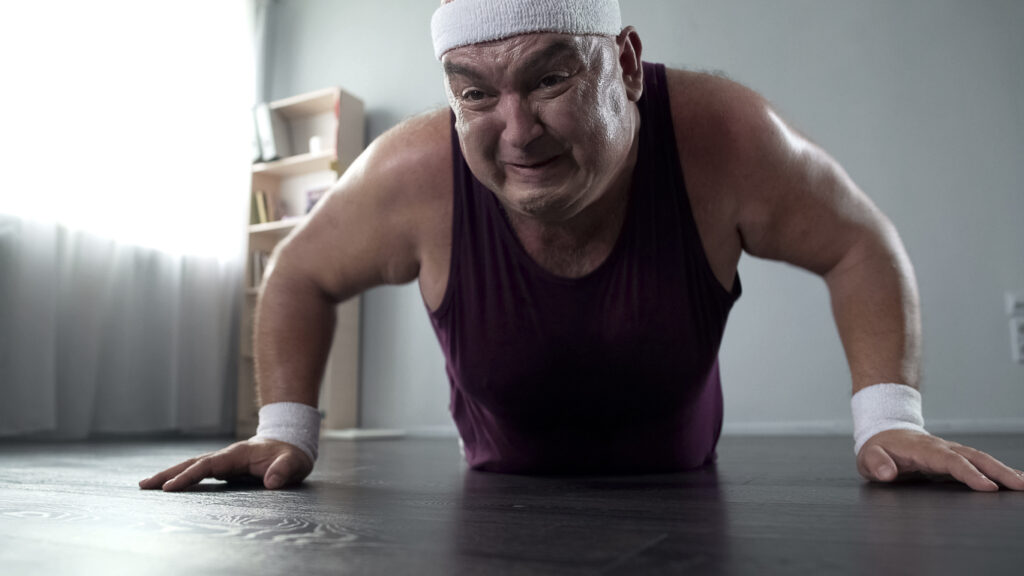
Upper body strength matters more as you get older because it helps with daily tasks and protects you when you fall. If you can’t do a push-up in any form, it’s a sign you’ve lost strength in your chest, shoulders, arms, and core. A lot of people don’t notice this because daily life doesn’t demand much pushing anymore.
The push-up isn’t a way of showing off (though it is impressive!); it’s a practical measure of strength and control. You can scale it down and still get the benefit, but the goal is having enough strength to move your own body. If that’s gone, it’s worth rebuilding because it makes everything else easier, from carrying stuff to posture.
9. Get through a long walk without your lower back tightening up

If your back starts complaining during a basic walk, that’s your body telling you something. It can be weak core muscles, tight hips, poor posture, or just lack of movement variety. People often accept back tightness as normal ageing, but it’s often more about the way we live than the number on the birthday cake.
Walking should feel like something your body can do without drama. If you’re stiff or sore after, it’s a clue that your hips and core aren’t sharing the load properly. Building strength and mobility in those areas usually helps far more than just hoping your back will behave next time.
10. Sleep through the night without waking up stiff and sore

Sleep changes with age, but waking up feeling like you’ve been folded up for eight hours isn’t something to ignore. If you’re stiff every morning, it can be a sign you’re not moving enough during the day, your joints are tightening, or your muscles are losing resilience. It can also be linked to stress and poor recovery, which hits harder as you get older.
Waking up stiff doesn’t necessarily mean you need a new mattress, although that can help. It’s often more about needing more daily movement, better strength, and less long periods of sitting. If your mornings feel rough, it’s a sign you need to build a body that recovers better, not just push through feeling creaky forever.
11. Get up from a chair without rocking or using momentum
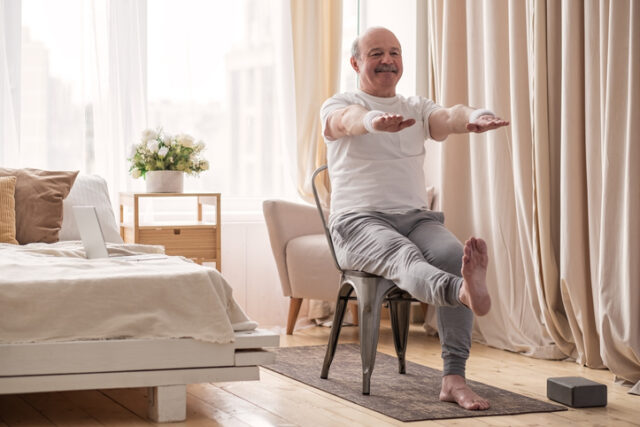
That little rock forward people do before standing is basically your body admitting your legs are weaker than they should be. If you need to swing your arms, push off the armrests, or do a few attempts before you stand, your leg strength has dipped. It happens slowly, so people don’t notice until it’s properly there.
Chair strength is a big deal because you do it all day without thinking. If it’s become effortful, that’s a clear sign you need more strength in your thighs, glutes, and core. Fixing it makes life feel easier fast because you stop wasting energy on basic movements.
12. Keep your posture without collapsing into a slump

If you can’t sit or stand tall without feeling tired, that’s not just bad posture—it’s weak support muscles. Your upper back, core, and hips all play a role in keeping you upright. When they’re not doing their job, you end up slumping, and that can lead to aches, headaches, and that constant drained feeling.
Good posture isn’t just good for looking proud, it’s helping your body work more efficiently. If you can’t hold yourself comfortably, it usually means your muscles aren’t strong enough and your mobility is limited. Building strength in the back and core, plus moving more during the day, often makes posture improve without you having to think about it constantly.
13. Recover from effort without feeling wrecked for days

If a bit of effort wipes you out for two or three days, that’s a sign your recovery system isn’t great right now. People sometimes think it’s just age, but it’s often that their body isn’t used to being challenged, so any challenge feels like a shock. The less you do, the more dramatic recovery becomes, which is a horrible loop.
Recovery is important. You should be able to do something physical, feel it a bit, then bounce back fairly quickly. If you’re getting knocked flat by normal activities, it’s a sign you need more consistent movement, better sleep, and strength work that builds you up instead of leaving you feeling destroyed every time.