It’s easy to put self-care on the back burner when life’s busy.

You tell yourself you’ll start eating better, sleeping more, or exercising once things calm down, but they never really do. Those small habits you neglect now might not seem like a big deal, but they certainly add up, shaping how your body and mind will cope years down the line.
Ageing doesn’t suddenly make problems appear out of nowhere. It amplifies whatever’s already there. The choices you make today determine whether your future self will thank you or struggle because of what you ignored. Looking after yourself isn’t vanity or overthinking. It’s the foundation for a life that feels good well into later years.
1. Your mobility will decline faster than it should.

Ignoring flexibility and strength now means you’ll struggle with basic movements like getting up from a chair or bending down to pick things up. What seems like normal ageing is often just the result of years of neglect catching up. People who maintain their bodies stay mobile much longer into old age. If you’re not looking after yourself, you’ll be the one who can’t keep up while other people your age are still active.
2. Chronic pain will become your constant companion.

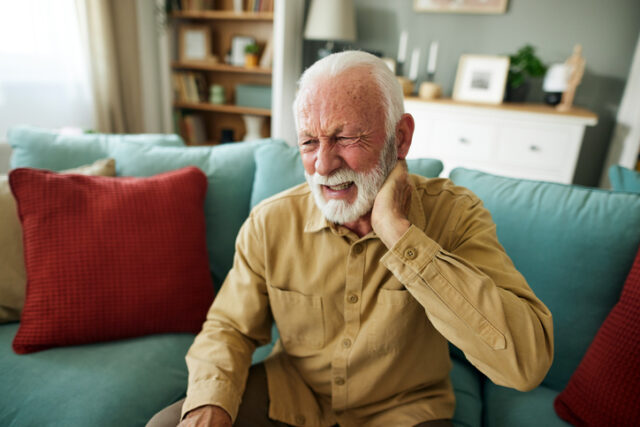
That bad back or dodgy knee you’re ignoring now won’t just go away on its own. It’ll get worse over time and eventually hurt all the time, not just when you’ve overdone it. Chronic pain changes everything about how you live because it’s always there in the background, affecting your mood, sleep, and what you’re able to do. Dealing with it early is so much easier than trying to manage it when it’s entrenched.
3. You’ll develop preventable diseases.

Type 2 diabetes, heart disease, and high blood pressure aren’t inevitable parts of ageing, they’re often the result of years of poor lifestyle choices. Ignoring your health now makes these conditions far more likely later. Once you’ve got them, they require constant management and medication for the rest of your life. Prevention is genuinely easier than trying to control these diseases once they’ve developed.
4. Your mental sharpness will fade quicker.
Not exercising, eating rubbish, and not challenging your brain accelerates cognitive decline. You might think memory loss is just part of getting old, but lifestyle plays a massive role in how well your brain ages. People who look after themselves tend to stay sharper for longer. If you’re not taking care of your physical and mental health now, you’re setting yourself up for earlier and steeper decline.
5. You’ll become dependent on other people sooner.

Losing the ability to care for yourself, whether it’s cooking, cleaning, or personal care, means relying on family or carers earlier than necessary. That loss of independence is one of the hardest parts of ageing. Maintaining your health for as long as possible keeps you self-sufficient. The difference between someone who can live independently at 80 and someone who can’t often comes down to how they treated their body decades earlier.
6. Your bones will become fragile and break easily.

Not getting enough calcium, vitamin D, or weight-bearing exercise now means weaker bones later. Falls that would bruise a healthy person can result in serious fractures when your bones are brittle. Breaking a hip or wrist in your 70s isn’t just painful, it often starts a decline that’s hard to recover from. Building strong bones now is like insurance for your future mobility.
7. You’ll spend more time and money on healthcare.

Neglecting preventive care means you’ll end up dealing with bigger, more expensive problems down the line. Regular checkups and looking after yourself is far cheaper than managing multiple chronic conditions. Your later years could be spent constantly at doctor’s appointments, taking numerous medications, and dealing with complications. That time and money could have gone towards actually enjoying your life instead.
8. Your sleep will get worse.

Poor health habits affect sleep quality, and bad sleep makes everything else worse. If you’re not addressing things like stress, diet, and exercise now, you’re setting yourself up for years of poor sleep. Insomnia and disrupted sleep become harder to fix the longer they go on. The exhaustion from chronic poor sleep affects every aspect of your life and speeds up other health problems.
9. You’ll have less energy for the things you want to do.

Imagine finally having time to travel or pursue hobbies in retirement, but being too tired or unwell to actually do them. That’s what happens when you reach your later years in poor health. The people who enjoy their retirement are generally the ones who can physically and mentally handle doing things. If you’re struggling with basic daily tasks, you won’t have energy left for enjoyment.
10. Your relationships will suffer.
Being unwell and in pain makes you irritable, withdrawn, and less fun to be around. Your relationships with family and friends take a hit when you’re constantly dealing with health problems. People want to spend time with loved ones who can actually participate in activities and conversations. If you’re too unwell to engage properly, those connections weaken, whether anyone means for that to happen or not.
11. You’ll lose your sense of taste and smell earlier.

Poor nutrition and health conditions can accelerate the natural decline in taste and smell that comes with ageing. Food becomes less enjoyable, which can lead to eating even worse and creating a downward spiral. Losing these senses also affects safety, like not smelling gas leaks or smoke. It’s another quality of life issue that seems small but impacts daily living significantly.
12. Your immune system will weaken faster.

Not looking after yourself now means your body will be less equipped to fight off infections and illnesses later. What might be a mild cold for someone healthy could become serious for you. A weak immune system means longer recovery times and being more vulnerable to everything from flu to more serious diseases. Your body needs support now to stay resilient later.
13. You’ll experience more digestive problems.
Years of poor eating habits and stress catch up with your digestive system eventually. Chronic constipation, acid reflux, and other gut issues become daily problems rather than occasional annoyances. Digestive problems affect your nutrition, comfort, and ability to enjoy meals. They’re also linked to other health issues, creating a cascade of problems that all stem from neglect.
14. Your eyesight will deteriorate more severely.

Not managing conditions like diabetes or high blood pressure properly accelerates vision loss. What could have been manageable age related changes becomes serious impairment that limits what you can do. Losing your ability to read, drive, or see faces clearly isolates you and makes you dependent. Many causes of severe vision loss in older age are preventable with proper health management.
15. You’ll heal much slower from injuries.

Poor overall health means your body struggles to repair itself when something goes wrong. A simple cut or sprain that would heal in days takes weeks, and more serious injuries might not heal properly at all. That slow healing keeps you out of action longer and increases the risk of complications. Your body needs to be in good condition to recover efficiently when things go wrong.
16. You’ll face higher risks during surgery.

If you need an operation later in life, being in poor health makes the surgery itself riskier and recovery much harder. Surgeons might not even be willing to operate if your overall condition makes it too dangerous. That could mean living with problems that could have been fixed, all because your body isn’t strong enough to handle the procedure safely. The better shape you’re in, the more treatment options remain available.
17. Your mood and mental health will decline.
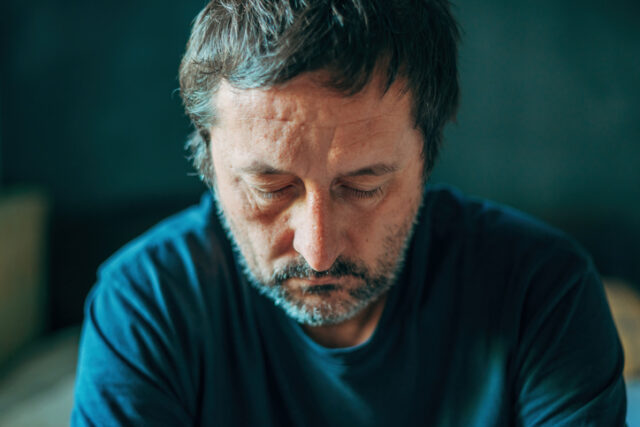
Chronic health problems are strongly linked to depression and anxiety in older adults. Dealing with constant pain, limitations, and medical issues takes a serious toll on mental wellbeing. That depression then makes it harder to take care of yourself, creating another vicious cycle. Maintaining physical health now protects your mental health later in ways people don’t always connect.
18. You’ll lose muscle mass rapidly.

Not maintaining muscle through activity and proper nutrition means you’ll lose it quickly as you age. That muscle loss makes everything harder, from carrying shopping to catching yourself if you trip. Once you’ve lost significant muscle mass, it’s extremely difficult to rebuild it in older age. What you maintain now is far easier than what you’d have to rebuild later.
19. Your quality of life will be significantly lower.

All these individual problems add up to a dramatically reduced quality of life overall. Instead of enjoying your later years, you’re managing decline and wishing you’d made different choices earlier. You might live a long time, but those years won’t be pleasant if you’re struggling with multiple health problems. Longevity without quality is not the goal anyone actually wants.
20. You’ll have regrets you can’t undo.
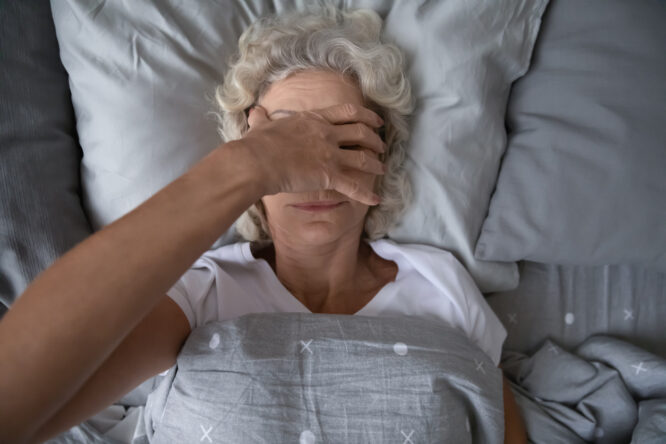
The hardest part might be looking back and knowing these problems were preventable. Realising that the limitations and suffering you’re experiencing are the direct result of choices you made decades earlier is a tough pill to swallow. You can’t go back and undo years of neglect once the damage is done. The time to look after yourself is now, while you still have the chance to influence how your later years will look.