In the UK, drivers are legally required to report if they hit a dog, but cats are surprisingly excluded from this rule.
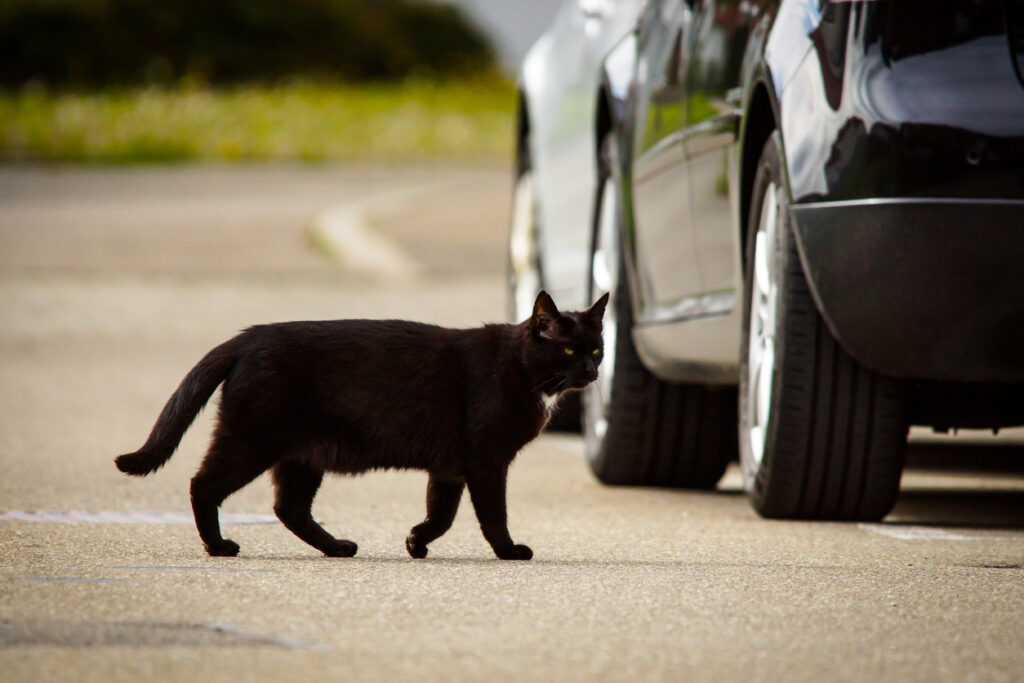
Many argue this is outdated and unfair, and it’s easy to see why. After all, why would one species of animal be more valuable than another, and why would striking and potentially even killing one be worse than doing the same to another? Here’s why cats deserve the same recognition and protection on the road.
1. Cats are family to millions of people.
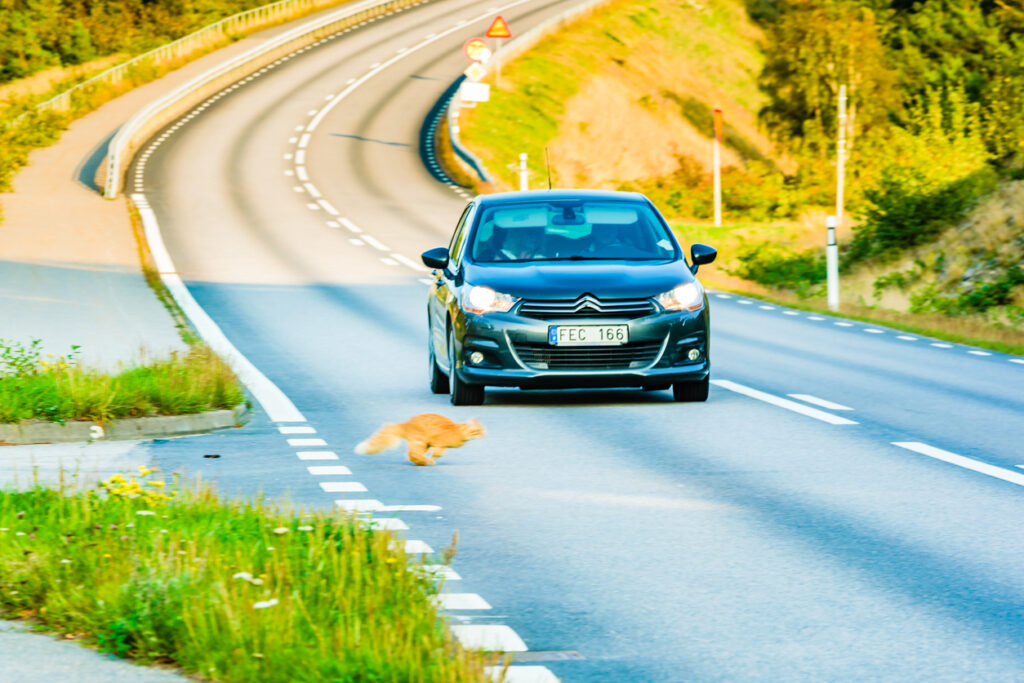
For many households, cats are not “just pets,” they’re family. Losing one in a road accident can feel as devastating as any other loss, yet the law treats their deaths as less important than dogs.
Reporting would recognise the emotional bond people have with cats. Acknowledging their importance formally would mean the law reflects how families actually feel, rather than dismissing those connections as unworthy of attention.
2. Current laws feel inconsistent.
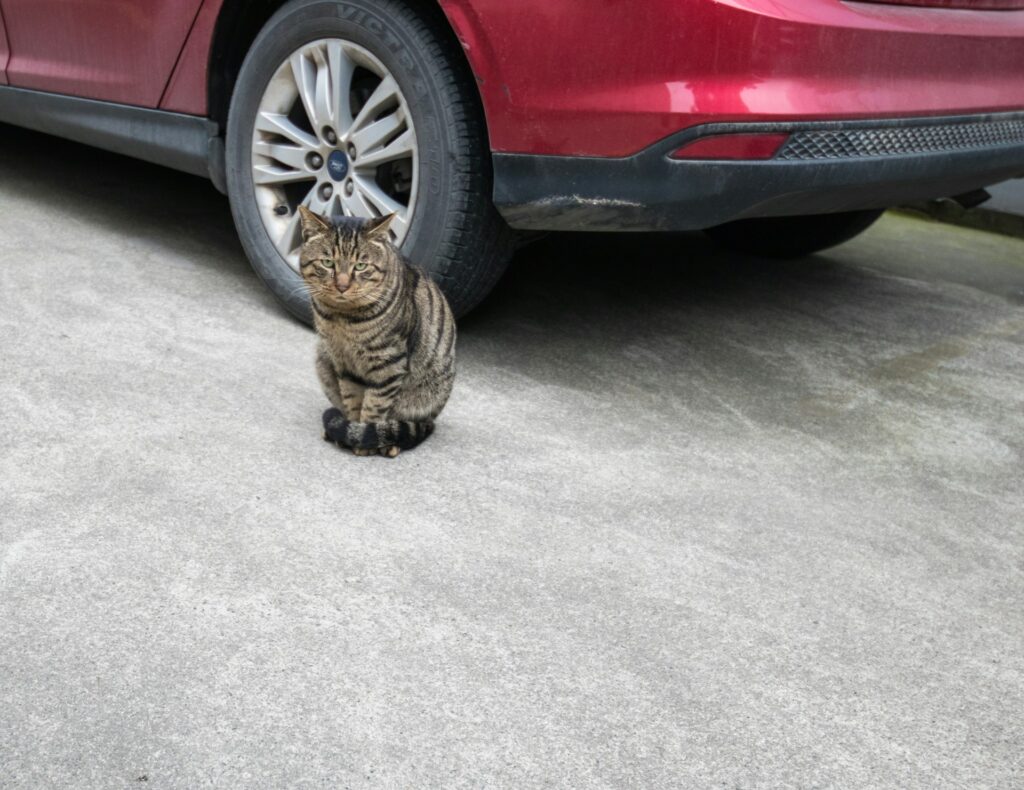
It makes little sense that hitting a dog legally must be reported, but hitting a cat doesn’t. Both animals roam freely, both are loved deeply, and both can cause pain if they are left injured or killed without acknowledgement.
Consistency builds fairness. Updating the law would eliminate this double standard and show that all companion animals deserve equal consideration on the road.
3. Reporting helps prevent unnecessary suffering.

A cat struck by a vehicle isn’t always killed instantly. Without a driver reporting it, an injured cat may suffer alone at the roadside. Quick reporting (or reporting at all!) could lead to faster intervention and veterinary care that saves lives.
Such a simple act of responsibility could make the difference between survival and needless suffering. Ignoring it prolongs pain that could be prevented with a quick call.
4. Owners deserve closure.

One of the hardest experiences for cat owners is a disappearance with no answers. If a cat is struck and never reported, families are left searching for months, stuck in uncertainty instead of being able to grieve properly.
Requiring reports would give families the dignity of knowing what happened. Even bad news offers closure, which is far kinder than silence.
5. Cats roam pretty freely in communities in the UK.

Unlike dogs, cats are far more likely to roam without supervision. That freedom makes them vulnerable to accidents, and with millions of cats across the UK, road incidents are sadly inevitable.
Reporting acknowledges this reality. It shows a willingness to take responsibility for the risks of shared spaces, rather than leaving families to guess what happened when a beloved pet vanishes.
6. Responsibility encourages more respect.

When drivers know they must report hitting a cat, it sets a cultural standard of respect. It proves that lives, however small, matter. This creates a ripple effect where people treat animals with more care and consideration overall.
Respect can’t be half-applied. A formal rule reinforces that every companion animal deserves dignity and recognition in the eyes of the law.
7. It discourages callous behaviour, which is definitely needed.
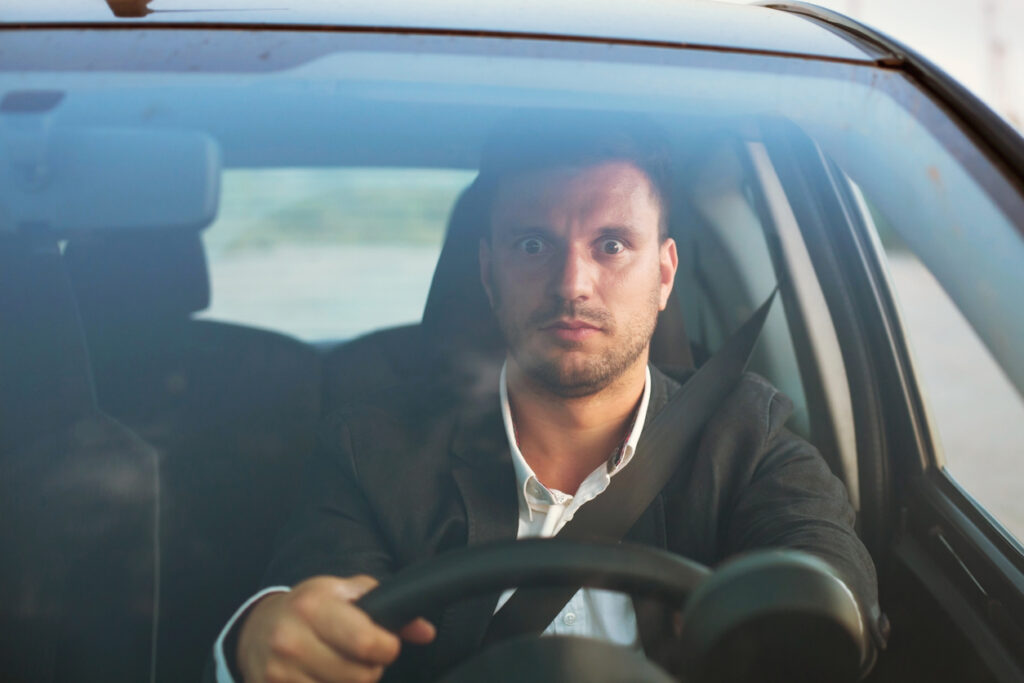
At present, drivers who hit cats face little consequence if they drive off. That lack of accountability risks encouraging careless or callous behaviour, since there is no expectation of follow-up or responsibility.
A reporting requirement would discourage this indifference. Knowing there are consequences makes it harder to dismiss a cat’s life as unimportant, and it keeps standards of care higher on the roads.
8. Communities want change.
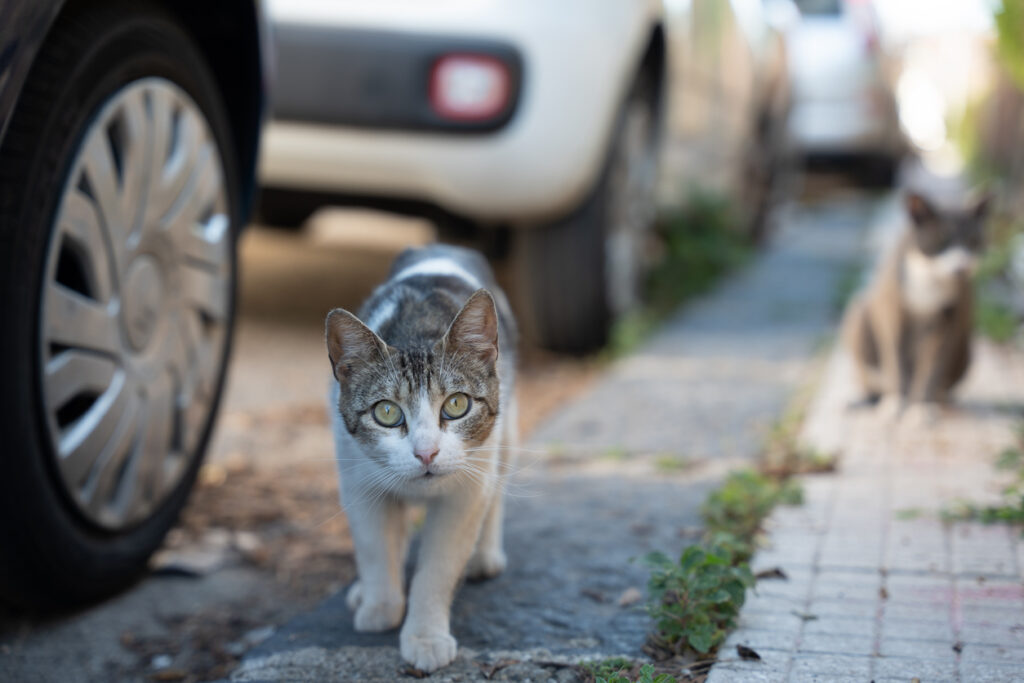
Petitions calling for cats to be included in the law have gained major public support. This shows communities already see the imbalance and want a system that reflects modern attitudes toward animal welfare.
When laws adapt to reflect public values, trust in the system grows. Updating this rule would be a small but meaningful way of aligning legislation with current expectations.
9. It’s a pretty simple rule to enforce.

Some argue that including cats would be impractical, yet the process is straightforward. Drivers already know to report incidents with dogs, so extending the rule to cats requires only minor adjustments to existing systems.
Practicality should not be used as an excuse when the mechanism already exists. Enforcement is possible, and the benefits clearly outweigh the inconvenience.
10. Other countries are already leading the way in this regard.

In some European nations, hitting a cat must be reported, showing it’s entirely feasible. The UK risks falling behind on animal welfare standards by ignoring cats when other countries have already moved to protect them equally.
Looking at these examples proves it can work smoothly. The UK has the opportunity to lead by updating its own rules, ensuring cats are treated with the care they deserve.
11. Roads would feel safer for all animals.

Reporting cats sends a wider message about road safety. It creates a culture where animals are seen as part of the environment drivers must respect, not as obstacles or inconveniences to be brushed aside.
That awareness benefits not only cats, but also wildlife and other domestic animals. Safer, more mindful roads protect everyone who shares them, both human and animal.
12. It reflects compassion in society.

At its core, reporting is about compassion. A law that acknowledges cats says something bigger about the kind of society we want to be—one that values empathy, responsibility, and care, even in small everyday actions.
By extending reporting rules to cats, we demonstrate that kindness matters in practice. It shows that respect is not selective, but part of how we treat all lives with dignity.