It’s one of the few things every single person on the planet has in common, and yet, the fear of dying is often the one topic we’re most terrified to actually discuss.

We spend so much energy trying to outrun the idea or pretend it isn’t happening that we end up carrying a massive amount of unnecessary anxiety. However, when you stop treating death like a looming shadow and start looking at the reality of it, you realise there are plenty of perspectives that can actually make the whole thing feel a lot less heavy.
Understanding a few basic truths about the life cycle doesn’t mean pretending it doesn’t freak you out, but it could help you find a bit of peace in the facts so you can get back to actually enjoying the time you’ve got. These will hopefully help change your perspective a bit.
Death is the ultimate shared experience.
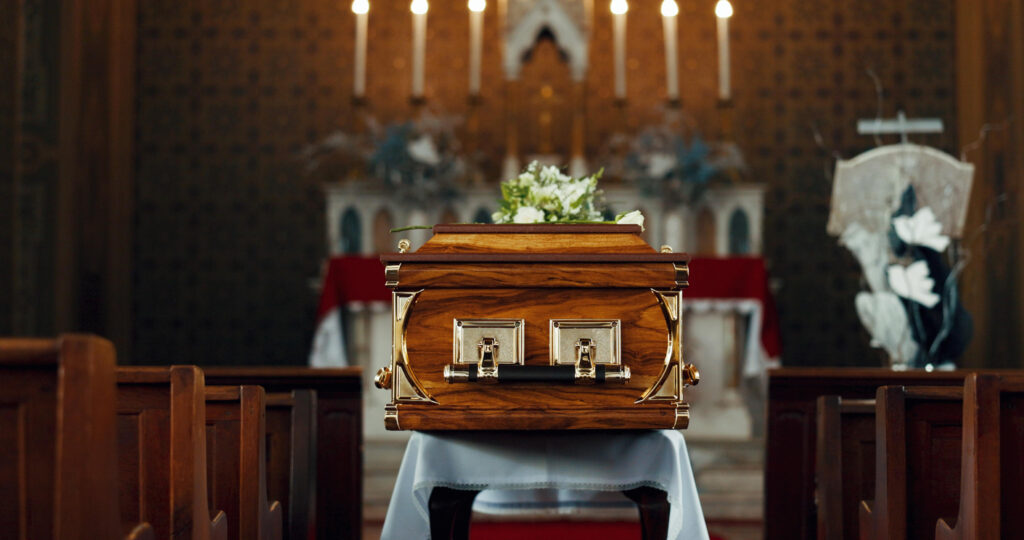
Just as we’re born, we all eventually die. It’s a fundamental aspect of existence that connects every single living being on this planet, from the smallest insect to the most powerful person. When you recognise that this is a journey literally everyone has to take, it makes you feel a lot less alone in your fears. Instead of it being a lonely end, it’s the one thing that truly binds us all together. Embracing this can bring a sense of acceptance that you’re just part of a much bigger, natural process.
Your impact doesn’t stop when you do.

The ripples of your actions, your kindness, and your relationships continue long after you’ve gone. Every person you’ve touched, every idea you’ve shared, and every positive change you’ve made contributes to a legacy that lives on through others. Your influence extends far beyond your physical presence, creating a real form of immortality through the lives you’ve affected. You’re essentially woven into the fabric of the future through the people who knew you.
Most of the fear is simply down to the mystery.

Much of our anxiety about death comes from the fact that it’s the ultimate unknown. We don’t like not having a plan or a map. But it’s worth remembering that this uncertainty is something everyone faces. Instead of letting the “not knowing” paralyse you, try to see it as a mystery that holds infinite possibilities. It doesn’t have to be a dark void; it could be something entirely beyond our current understanding that is far more peaceful than we imagine.
Worrying about the end ruins the middle bit.

Constant worry about death can stop you from taking risks, pursuing dreams, or fully enjoying the life you’re in right now. It’s like being so worried about a holiday ending that you spend the whole week checking your watch instead of sitting on the beach. By accepting that mortality is inevitable, you actually free yourself to live more fully in the present. Once you stop looking over your shoulder, you can start looking at what’s right in front of you.
The deadline is what makes it all count.

The finite nature of life is exactly what makes it precious. If we lived forever, nothing would be special because we’d always have “tomorrow” to do it. We wouldn’t appreciate a sunset, we wouldn’t strive to achieve goals, and we’d probably stop telling people we love them. Death creates a deadline that motivates us to make the most of our time. It’s the very thing that pushes us to live with purpose and intention.
We don’t actually know if death is the end of “you.”

While we can’t know for certain what happens, many theories suggest consciousness might persist in some form. From spiritual beliefs to scientific ideas about how energy and information work in the universe, there are plenty of concepts that offer hope for some kind of continuation. Whether it’s a spiritual afterlife or a scientific mystery we haven’t solved yet, the idea that “you” just vanish isn’t the only theory on the table.
The reality is often more peaceful than the imagination.
Many people who’ve had near-death experiences or worked in palliative care report that dying is often a very tranquil process. It seems our brains might be wired to find a sense of peace and acceptance as the time approaches. This suggests that the frantic, scary version of death we see in movies isn’t the reality for most. The anticipation of the event is almost always much worse than the experience itself.
You’re not going anywhere that billions of people haven’t already gone before.

Every person who has ever lived—billions upon billions of them—has gone through this. All the great thinkers, your ancestors, and every person you’ve ever admired have already taken this step. There’s a strange comfort in knowing you’re following a well-trodden path. You aren’t a pioneer in this; you’re joining the vast majority of the human race in the ultimate shared human experience.
It’s better to focus on the journey rather than the finish line.
Instead of losing sleep over how long you’ve got left, it’s much more productive to focus on making the life you’re in right now meaningful. A life well-lived—one filled with actual connection, laughter, and a bit of purpose—is far more satisfying than a long life lived in a state of constant dread. When you move your focus to the quality of your days, you’ll find that the fear of the quantity running out starts to shrink.
Death can be a merciful release for some.

It’s a tough thing to talk about, but for those dealing with chronic pain or long-term illness, death can be seen as a natural end to suffering. It’s a quiet finish to a struggle that’s otherwise unending. Reframing it this way helps you see that death isn’t always a tragedy or a “thief”—sometimes it’s a form of peace that offers rest when the body has simply had enough.
As cheesy as it sounds, you’re literally made of stardust.

On a purely physical level, you’re made of atoms that have existed since the beginning of the universe. When you die, those atoms don’t just vanish; they’re recycled back into the world to form new life, new plants, or even new stars. You’re eternally connected to the cosmos and the cycle of life on Earth. There’s a bit of beauty in knowing that you’ll always be a part of the universe in some physical form.
12. Accepting the end makes you appreciate the now.
When you finally acknowledge your mortality, you stop taking things for granted. You tend to cherish your relationships more deeply and pursue your passions with a bit more fire. Ironically, it’s the people who are most aware that their time is limited who often end up living the richest, most meaningful lives. It forces you to stop wasting time on things that don’t actually matter.
It’s the one thing that makes us all equal.

Regardless of how much money you’ve got, what your job title is, or what you’ve achieved, death comes for everyone exactly the same. There’s something oddly comforting about that universal level of fairness. It’s a reminder that at our core, we’re all just human beings facing the same fate. This perspective can help you let go of petty status concerns and focus on the human connections that actually carry weight.
The love you’ve given doesn’t have an expiry date.

The bonds you’ve formed and the love you’ve shared with others don’t simply go “poof” when you’re gone. They continue to exist in the memories and the very personalities of the people you’ve loved. That emotional impact creates a form of immortality that extends way beyond your physical life. You’ve changed the world just by being in it and loving the people around you.
Mortality gives you the green light to be yourself.

Knowing that your time is finite is the ultimate excuse to stop living for other people’s expectations. It’s a permission slip to be your authentic self and do the things that actually make you happy. If life is a one-time deal, why would you waste a single second trying to be someone you aren’t? Acceptance of death is the quickest way to find the courage to live truly.
You’re definitely not alone in being scared.

Fear of death is one of the most common human experiences there is. Just knowing that almost everyone else is grappling with the same “what ifs” can make you feel less isolated in your anxiety. Talking about it, sharing those fears, and hearing how others make peace with it can be incredibly grounding. We’re all in the same boat, navigating the same choppy waters, and there’s real comfort in that solidarity.