The idea of putting a Labrador on a weekly jab to stop him from scrounging for leftovers sounds like a punchline, but it’s becoming a serious debate in the vet world.
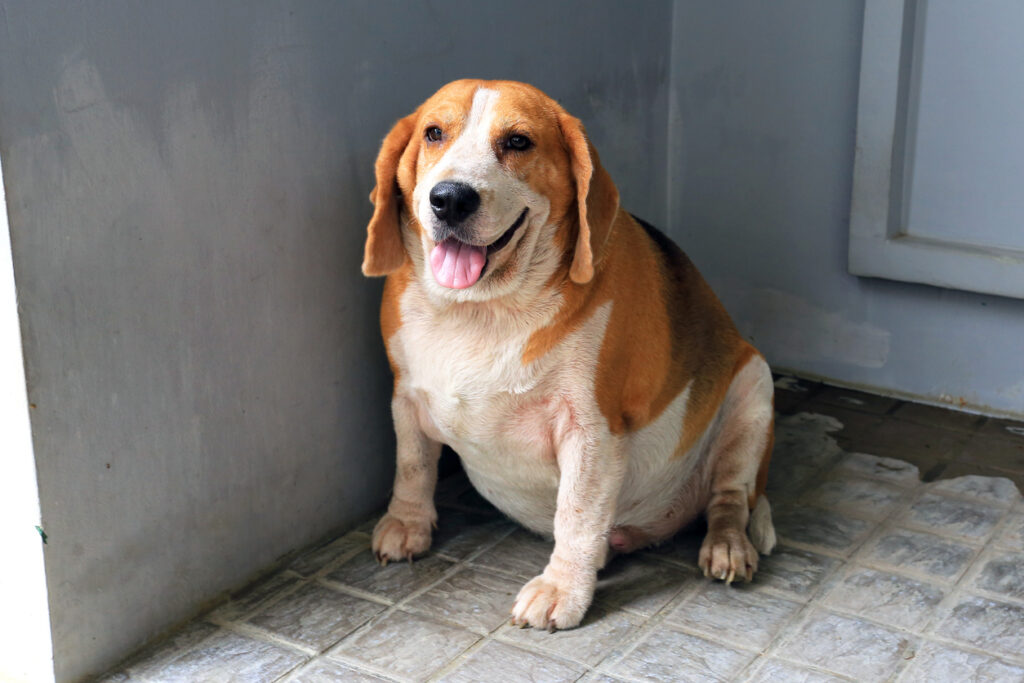
While some see it as a lifesaver for dogs whose joints are failing under their own weight, others worry we’re just medicalising a problem that starts at the end of a lead. If a pet is obese because they’re being fed human snacks and aren’t getting off the sofa, a jab might fix the scales, but it doesn’t fix the lifestyle. We’re at a point where we have to decide if we’re actually helping these animals or just looking for a chemical shortcut to avoid the hard work of proper dieting and long walks.
Dogzempic isn’t actually a product you can safely ask your vet for today.
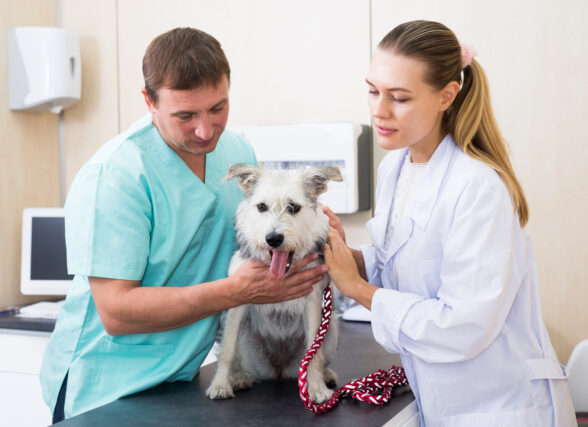
Dogzempic is more of a nickname than a real, approved medication for pets. People are basically talking about human GLP-1 weight loss drugs like semaglutide, the same family as Ozempic and Wegovy, being used on dogs. The big problem is that these drugs aren’t licensed for routine weight loss use in dogs, so giving them without proper veterinary guidance is a gamble. Even if it sounds similar to a human solution, pets aren’t small people with fur, and dosing mistakes can get ugly fast.
The science is being explored, but it’s still in the testing stage.
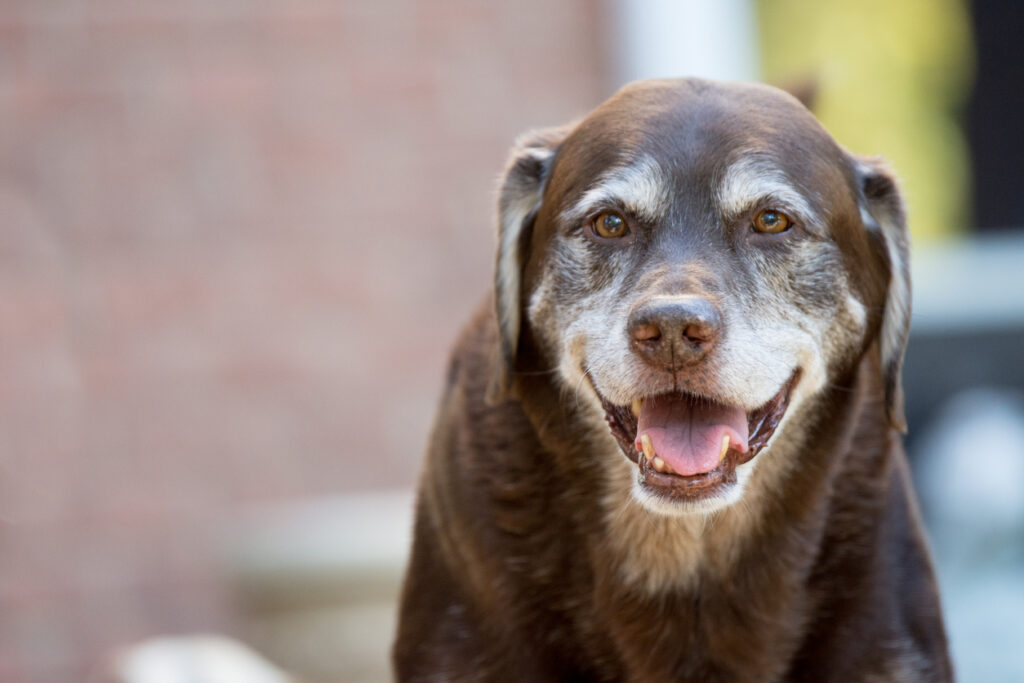
There are companies and researchers looking at obesity meds for dogs and cats, including approaches that copy the GLP-1 idea. Some reporting has focused on trials for long-acting options like implants designed to deliver similar effects over time. That’s promising, but trials are exactly that, trials. They exist because we don’t yet have the full picture on safety, dosing, side effects, and which pets should never touch the stuff in the first place.
Pet obesity usually isn’t a mystery, it’s a routine that got a bit too generous.
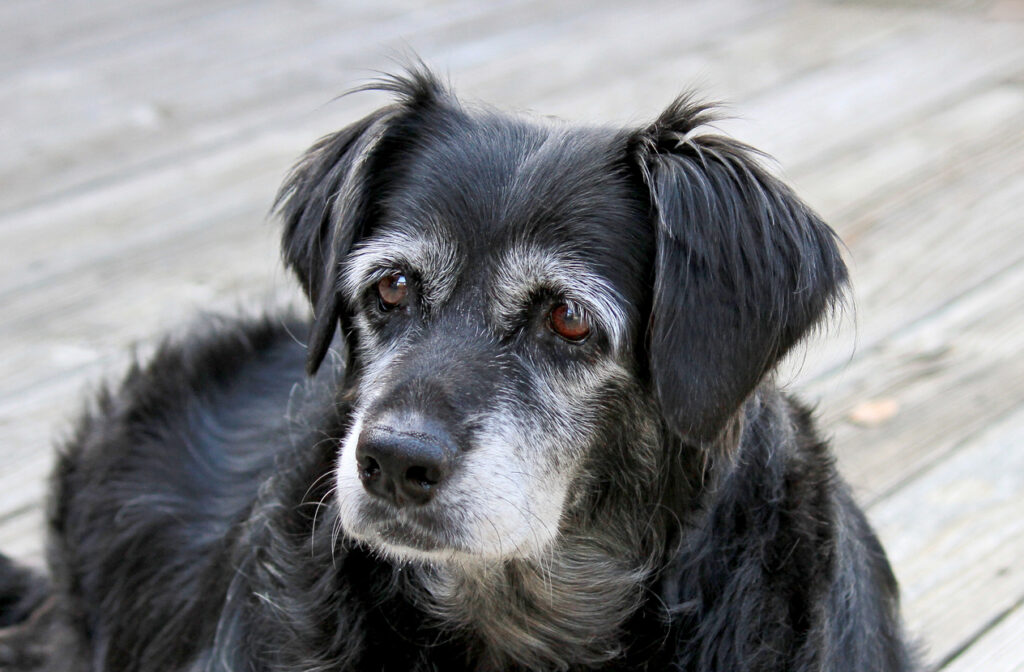
Most overweight dogs aren’t sneaking off to eat secret kebabs. It’s normally extra calories from treats, leftovers, big portions, and not quite enough movement, all stacking up slowly until the dog’s body shape changes. That’s why vets and charities bang on about boring basics like weighing food and cutting back treats. It works, but it takes consistency, and that’s where lots of households struggle.
Medication can help, but it can’t fix the human side of the problem.

If a drug reduces appetite, it might make the early stage easier, especially for dogs that act starving all the time. That can take the edge off the constant begging and help owners stop caving in. Even then, someone still has to measure food, pick better treats, and stick to the plan when the dog gives you the sad eyes. If the household carries on overfeeding, the weight can creep right back on, with or without injections.
Weight loss drugs can bring side effects that owners don’t expect.
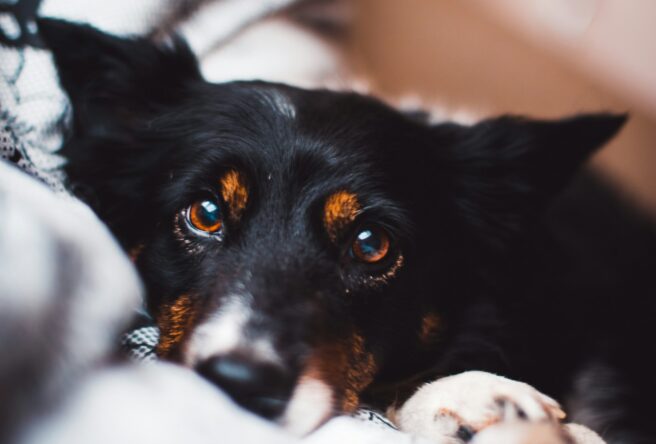
With GLP-1 style meds in humans, stomach issues are common, and pets can be sensitive in different ways. Vomiting, diarrhoea, lethargy, and appetite changes might sound manageable, but in a small dog they can become serious quickly. It also gets risky if a pet has other health issues that aren’t obvious yet, like kidney problems, pancreatitis history, or a dog that’s older and frailer than they look. A quick fix can turn into a stressful medical mess.
There actually has been a prescription weight loss drug for dogs before.

People talk like pet weight loss meds are brand new, but they’re not. Dirlotapide, sold as Slentrol, was FDA approved back in 2007 as a prescription option for managing obesity in dogs. It’s a reminder that drugs can exist and still not become a normal part of everyday care, especially if side effects, cost, and practical results don’t make it a clear win.
Approval and availability can be messy, depending on where you live.

Even when something gets authorised, that doesn’t mean it stays on the market forever. Slentrol, for example, was authorised in Europe at one point, but it’s listed as no longer authorised there. That matters because it shows how quickly the official landscape can change. Owners can hear a name online and assume it’s a normal vet option, when the reality is more complicated and very country-dependent.
Off-label use is where things can go sideways.
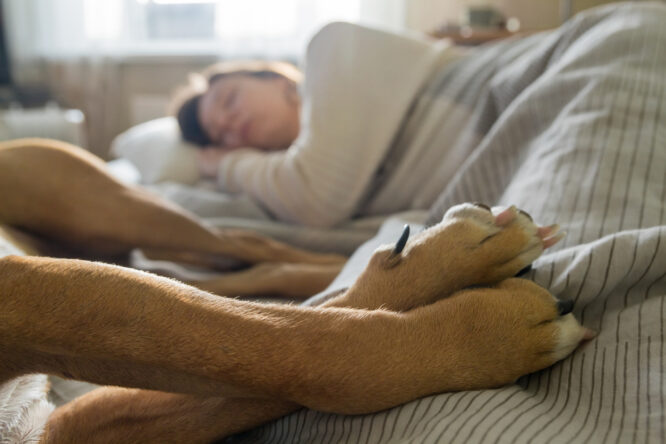
Some owners are already trying to source human meds for pets, usually with good intentions and a lot of desperation. The trouble is that off-label use needs proper veterinary oversight, proper dosing, and proper monitoring. Without that, you’re guessing. You might accidentally underdose and get nowhere, or overdose and cause serious side effects, and you’ll be left trying to work out what’s normal and what’s an emergency at 2am.
It can take attention away from the real gold standard, structured weight plans.
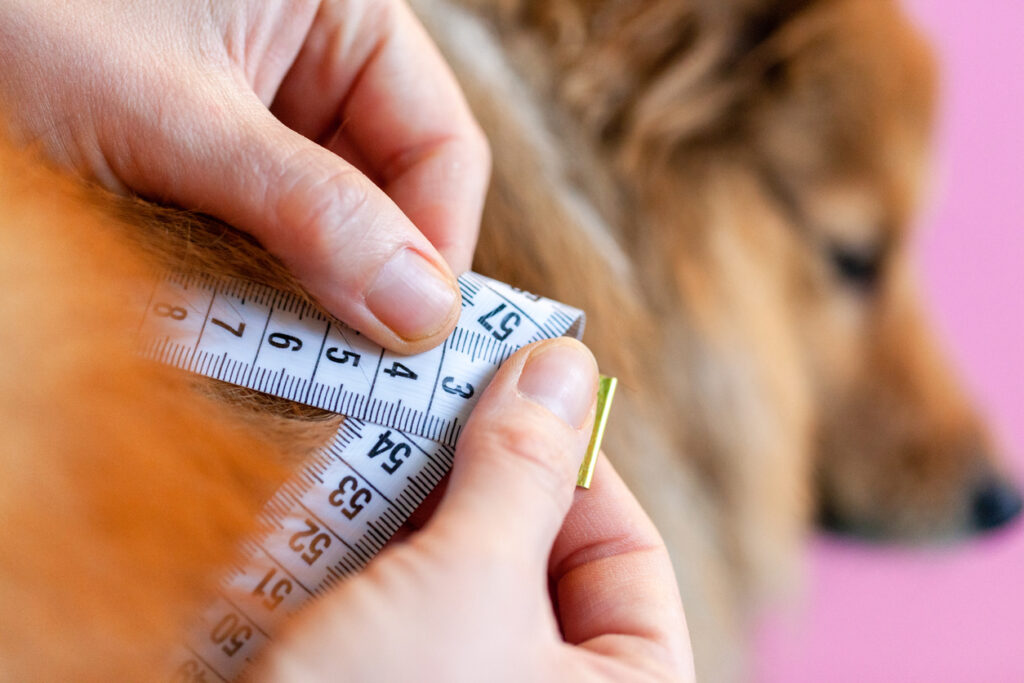
When a dog needs to lose weight safely, the most reliable approach is still a vet-led plan with measured food, gradual calorie reduction, and movement that fits the dog’s age and joints. That’s boring, but it’s tried and tested. Many practices also run weight clinics, which sound a bit formal but are basically regular check-ins so you can adjust the plan without guessing. That kind of steady support often beats a miracle solution vibe.
Some dogs get overweight for reasons that a jab won’t solve.
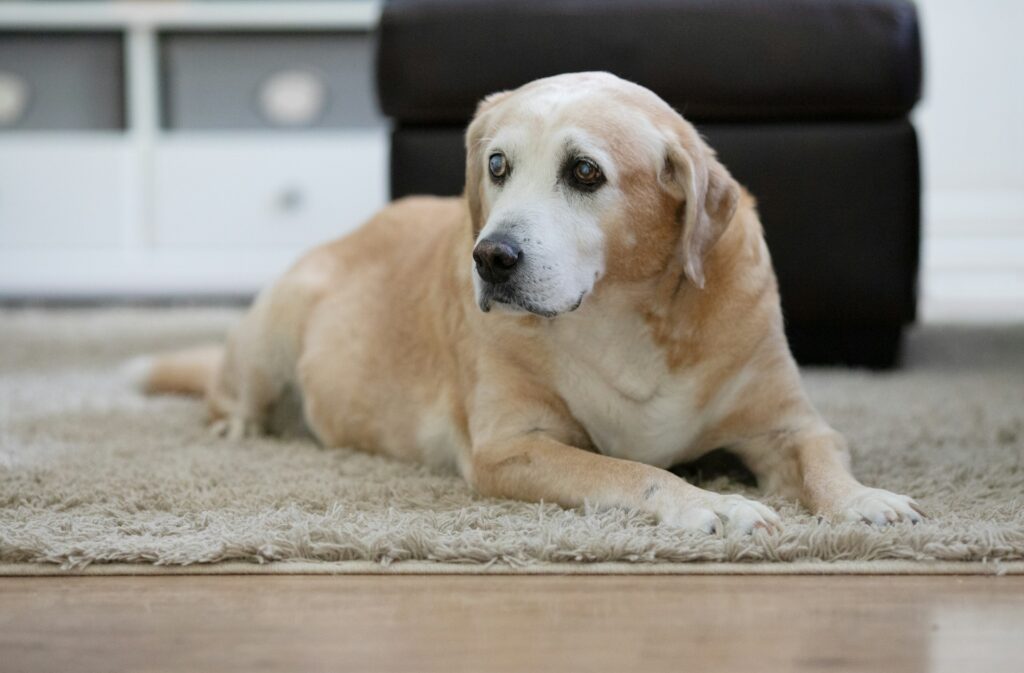
Weight gain can be linked to being neutered, ageing, pain that reduces movement, or medical issues like thyroid problems in some cases. If the dog is eating normally but still ballooning, it needs checking, not just appetite suppression. A drug that makes a dog eat less might hide the clue rather than fix the cause. Sorting the underlying issue can sometimes get the weight moving in the right direction without medication at all.
There’s also an ethics piece that people don’t love talking about.

If a dog becomes obese because humans overfeed them, it feels a bit grim to treat it like a personal failing of the dog’s body. Giving a drug can start to feel like fixing the symptom while ignoring the habits that caused it. On the other hand, some owners are trying hard and still struggling, especially if the dog is food-obsessed, arthritic, or stuck in a lifestyle that limits exercise. For those dogs, medical help could be kind, not lazy, if it’s safe and properly used.
1The answer is probably yes for some pets, but not as a casual shortcut.
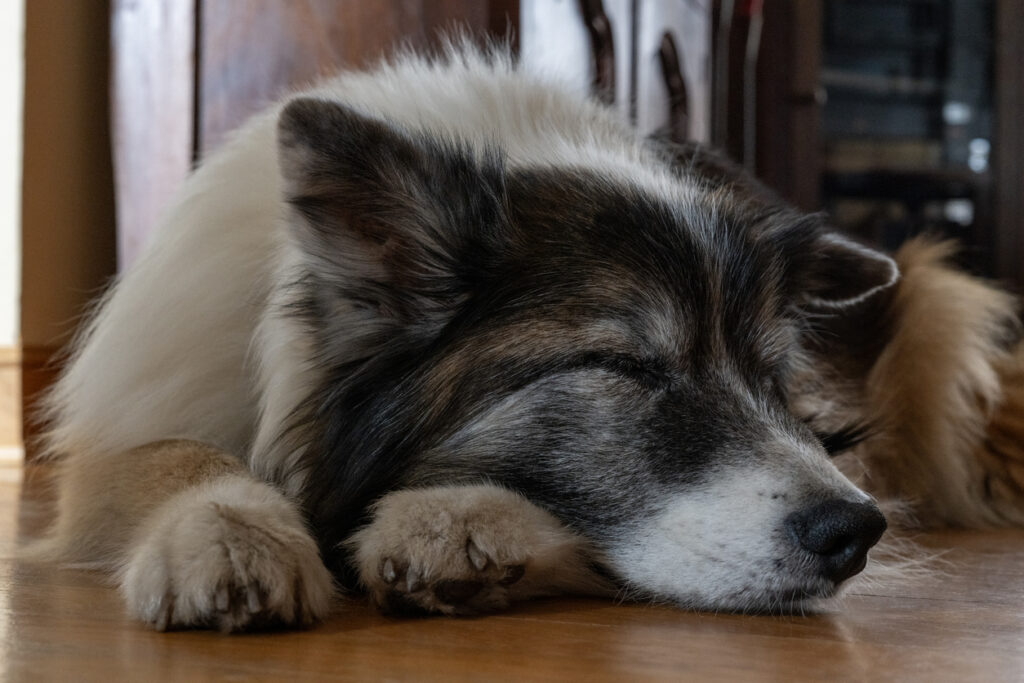
Pet obesity is serious enough that better medical tools could genuinely help, especially for dogs with mobility issues or for owners who need extra support getting the first kilos off. Research moving forward is not a bad thing. Calling it Dogzempic makes it sound like a fun trend, but it’s really a medical decision. If GLP-1 style options become properly approved for pets, they’ll still work best alongside food control, movement, and a vet who’s monitoring progress.