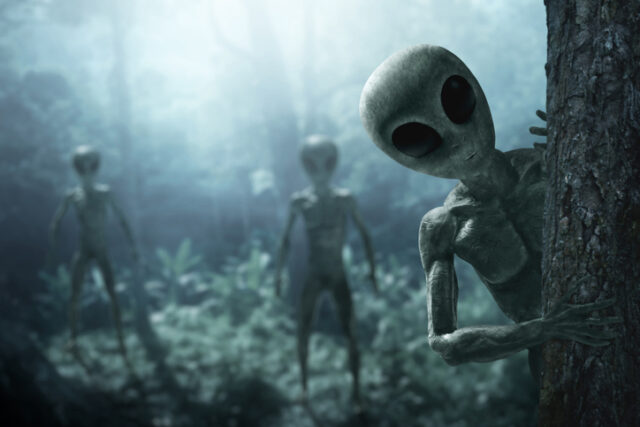
People have been obsessed with the idea of a secret government department chasing aliens since the ’90s, but a new documentary is claiming the truth is actually closer to the fiction than we thought. It’s moving the conversation away from tin-foil hat theories and toward actual whistleblowers who say there are classified files tucked away that would make your hair stand on end.
We’re not just talking about blurry photos of weather balloons. This film suggests there’s a proper, well-funded operation that’s been tracking “unidentified aerial phenomena” for decades while publicly acting like there’s nothing to see. The claim is that the secrecy is so tight that even the people at the very top of the political ladder are kept in the dark, which is a bit of a terrifying thought if it’s true. It raises the question of whether we’ve been lied to for 70 years, or if this is just another clever bit of storytelling designed to keep us looking at the sky.
A new documentary is driving the renewed interest.
The latest surge comes from a documentary that frames itself as a serious investigation rather than sci-fi entertainment. It leans heavily on interviews, archive material, and claims from people who say they’ve worked inside military or intelligence systems. The tone is deliberate and restrained, which makes it feel more unsettling than flashy UFO specials.
What’s caught attention is how confidently it presents secrecy as the main story, not aliens themselves. The suggestion is that something real exists in classified files, even if no one agrees on what that something actually is. That framing has pulled in viewers who would normally roll their eyes at UFO content.
@ageofdisclosure “These retrievals included the bodies of non-humans.” 34 U.S. Government officials break their silence. Watch The Age of Disclosure NOW on @Prime Video #ageofdisclosure ♬ original sound – AgeOfDisclosure
The phrase “real X-Files” is being used very carefully.
No one involved is claiming there’s a literal basement office full of alien autopsy photos. The comparison is more about structure than content. A hidden system, layers of classification, and cases that never fully reach the public.
The documentary, called “The Age of Disclosure,” argues that governments have long-running internal files on unexplained incidents, especially involving military encounters. That alone mirrors the idea behind the X-Files, even if the conclusions are far less dramatic than television ever suggested.
Much of the focus is on unidentified aerial phenomena.
The film spends a lot of time on UAPs rather than traditional flying saucers. These are objects tracked by radar, pilots, or sensors that don’t behave like known aircraft. Sudden acceleration, sharp turns, or hovering without visible propulsion are the recurring themes.
Importantly, “unidentified” doesn’t mean alien. It means unexplained with current data. The documentary pushes the idea that these encounters are documented far more often than the public realises, but most reports stay buried in classified systems.
Former officials are central to the claims.
The people interviewed are presented as credible because of their past roles, not because of sensational statements. Many are careful with language, choosing words like “anomalous” and “unknown” rather than making bold declarations. That restraint is part of why the documentary feels persuasive to some viewers. It doesn’t shout. It suggests that secrecy itself is the story, and that even insiders may not have the full picture.
Screenings for politicians added fuel to the fire.
Reports that the documentary was shown privately to lawmakers made the story feel bigger overnight. For many people, that alone implies seriousness, even if the screenings were informational rather than evidential. It also raised uncomfortable questions about what politicians might know that the public doesn’t. Even if no answers were given, the optics suggested a gap between public knowledge and internal discussion.
Government secrecy itself isn’t controversial.
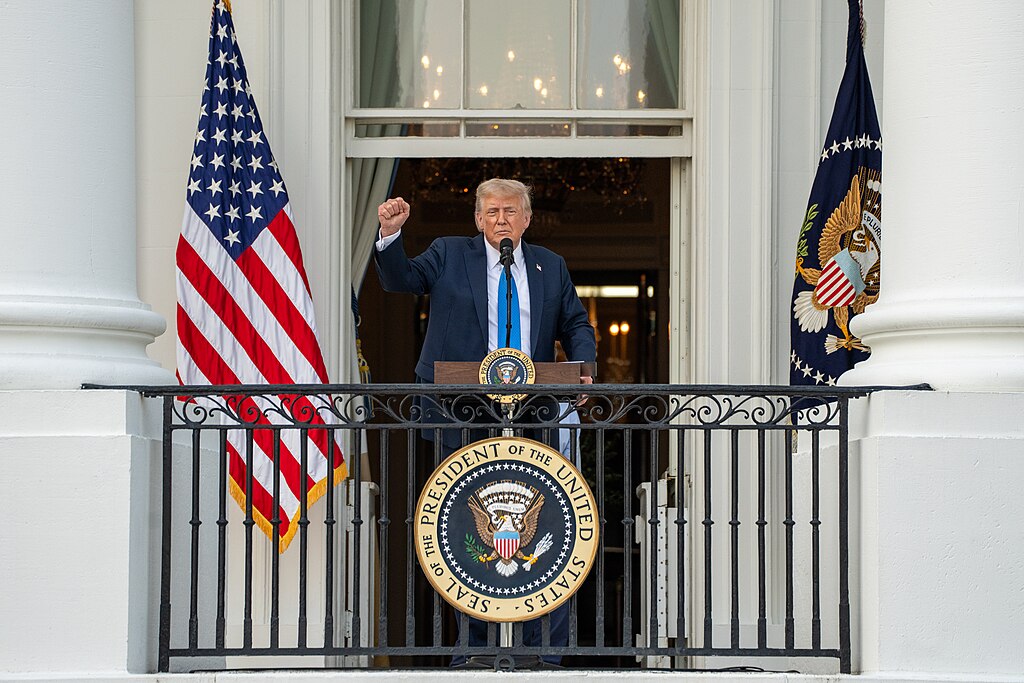
Every government keeps secrets related to defence, surveillance, and experimental technology. That’s not new, and it isn’t shocking. The controversy comes from how long some information stays classified, even decades after the original events. The documentary suggests that some secrecy has less to do with security and more to do with avoiding embarrassment, confusion, or loss of control over public narratives. That claim resonates because it doesn’t require aliens to be true.
Hard evidence is still missing.
Despite all the interviews and documents, there’s no clear, physical proof presented that confirms non-human technology or beings. No materials, no verified images, no data that independent scientists can fully analyse. This is where sceptics stay firm. Extraordinary claims still rest on testimony and inference. The documentary doesn’t change that, even if it makes the absence of evidence feel more deliberate than accidental.
Declassification has happened, just not fully.
Governments have released UAP reports and acknowledged that some encounters remain unexplained. That alone marks a shift from outright denial to cautious transparency. However, the documents are often heavily redacted or vague. The documentary argues that partial openness can sometimes raise more suspicion than silence, especially when key details are consistently missing.
Pop culture blurred the line between fiction and suspicion.
Shows like this shaped how people think about secrecy long before these documentaries existed. They trained audiences to expect hidden files, internal cover-ups, and officials who know more than they say. The result is a public that’s already primed to distrust official explanations. When real documents emerge showing classified investigations, they slide neatly into a story people already half believe.
The reality is likely less dramatic and more uncomfortable.
If there is a real-world equivalent of the X-Files, it’s probably a messy archive of unresolved reports, misidentified technology, and unanswered questions. Not a grand conspiracy, but an accumulation of uncertainty. The documentary’s strongest point isn’t that aliens are real. It’s that governments don’t like admitting when they don’t fully understand something. That discomfort, more than anything else, may be what’s been hidden all along.