British politics feels more divided than ever, but most of us agree on certain everyday issues regardless of party loyalty.

These are the concerns that unite households across the country, shaping conversations well beyond Parliament or party manifestos. And while most of us are too busy yelling at each another and arguing over issues we feel strongly about, if we really stopped to think about it, we’re all on the same page about these issues.
1. Better access to healthcare

Across the country, people agree that getting a GP appointment or seeing an NHS dentist has become far too difficult. In fact, in many areas, it’s all but impossible. Long waits, patchy services, and uneven access between regions are a shared frustration regardless of political preference.
Improving access is a demand that unites people. It’s not about left or right; it’s about fairness, consistency, and the basic expectation that healthcare should be available when needed without endless barriers.
2. Social care that works

Families caring for elderly relatives or those with long-term conditions often feel abandoned by a system stretched to breaking point. Social care is underfunded, inconsistent, and too reliant on exhausted staff working for little recognition. Care homes are falling short across the country, and it’s not okay.
Reform and sustainable funding in this area are priorities most people agree on. Whatever their politics, they see that putting off addressing the serious problems in the social care sector only makes problems worse, with families paying the price when the system fails.
3. Frustration with politicians
Trust in political leadership is low across the board. Many people feel promises are made then forgotten, with little transparency about decisions. This fuels cynicism and a sense that politics is more about winning than serving. Regardless of which party you were previously aligned with, chances are, you’ve long ago lost faith in them.
However, there’s broad agreement that honesty and accountability should be at the centre of government. People want leaders who deliver, not just talk, and this demand cuts across traditional party lines.
4. A fair immigration system
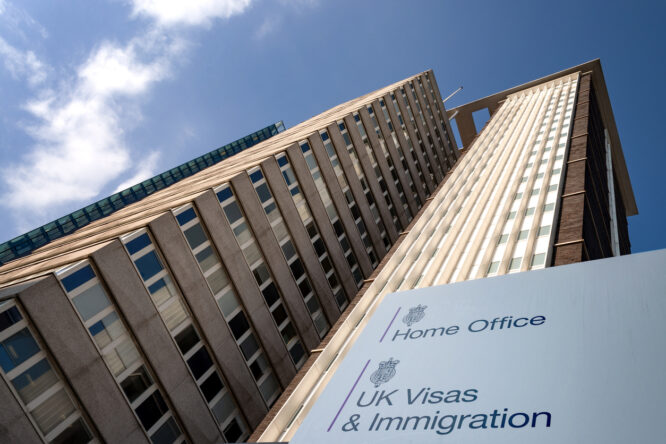
Immigration sparks heated debate, but most decent people want the same thing: a fair, humane, and orderly system. They believe asylum seekers deserve dignity, but also that clearer rules and better processing are necessary to restore confidence.
It’s less about division and more about competence. Sure, there are racists and xenophobes who hate asylum seekers simply for the colour of their skin, but they’re the minority (even if it seems like they’re not). People want a system that treats individuals with respect while preventing chaos and delays, and that shared demand outweighs most party arguments.
5. Safer streets and communities
Concerns about crime, antisocial behaviour, and policing come up in almost every community. People want to feel safe in their neighbourhoods, and they want justice systems that work without endless delays or gaps in protection.
There’s plenty of agreement that prevention matters as much as punishment. Investment in youth services and local policing is seen as more effective than short-term crackdowns, and that’s a view that unites voters across divides.
6. The cost of living squeeze

Food prices, energy bills, and housing costs have risen sharply, and most people feel stretched regardless of income. The daily struggle to make ends meet has become a shared worry across households of every political leaning.
People want stability and predictability. Affordable bills, fair wages, and protections for vulnerable groups are universal demands that go far beyond party ideology and reflect the reality of everyday life.
7. Action on the environment
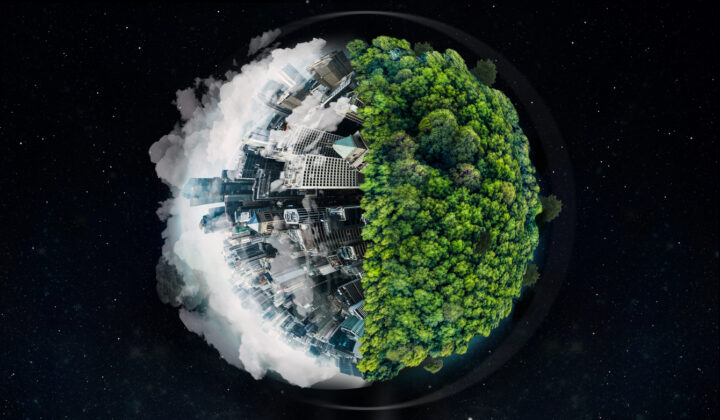
While disagreements remain about how quickly and at what cost, most people support efforts to protect nature, cut pollution, and create greener energy. They want cleaner air, safer flood defences, and access to green spaces. They don’t want to get ill going for a swim in the sea, and they certainly don’t want waste dumped into their waterways.
Environmental issues feel less abstract when tied to daily life. People may argue over targets, but they agree on wanting a healthier, safer environment for themselves and future generations.
8. Reliable transport

Whether it’s trains that cost too much or buses that run late, transport frustrations are universal. Unreliable services impact work, family, and leisure, and people across the spectrum agree improvements are urgently needed.
Calls for investment in affordable, consistent public transport cut across political divides. Reliable transport is seen as a basic requirement of modern life, not a luxury tied to party platforms.
9. Fair treatment at work

From wages to working conditions, there’s pretty broad agreement that employees deserve fair treatment. People want to feel valued for their effort, whether that means stable contracts, protection from exploitation, or pay that actually covers living costs.
These expectations are not tied to ideology. They reflect an overall sense of fairness and the belief that hard work should provide security rather than constant financial strain.
10. Protecting public services

Even those who disagree on levels of taxation generally agree that public services must be protected. Libraries, parks, schools, and community centres all matter, and cuts to them are felt deeply across every community.
Most people agree that public services should not be left to crumble. They see investment in these spaces as essential for quality of life, not just optional extras to be trimmed away.