Gen Z, often called Zoomers, are the first generation to grow up fully online, and that’s important.

However, there’s definitely a lot more to them than TikTok trends. Their attitudes, habits, and priorities shape how they live, work, and connect. By knowing how they’ve grown up and the things that define them, older generations can get a better idea of what they’re all about (and maybe stop judging them quite so harshly).
1. They’re digital natives and don’t know anything else.

Unlike older generations, Gen Z have never known a world without the internet. From childhood, smartphones, apps, and social media were everyday tools, not novelties. The constant exposure makes them quick to adapt to new platforms and digital trends.
The flip side is that digital life feels inseparable from real life. Online presence carries as much weight as offline interaction, which explains why Zoomers often blend activism, identity, and community through digital spaces.
2. They value authenticity.

Gen Z are less impressed by polish and more drawn to honesty. They prefer influencers who show flaws, brands that admit mistakes, and friends who are unfiltered. Slick advertising doesn’t resonate the same way it did with earlier generations.
Authenticity feels like a safeguard against being misled. For Zoomers, trust builds when people show up as real rather than curated, and they carry that expectation across social, professional, and personal relationships.
3. They care deeply about social justice.
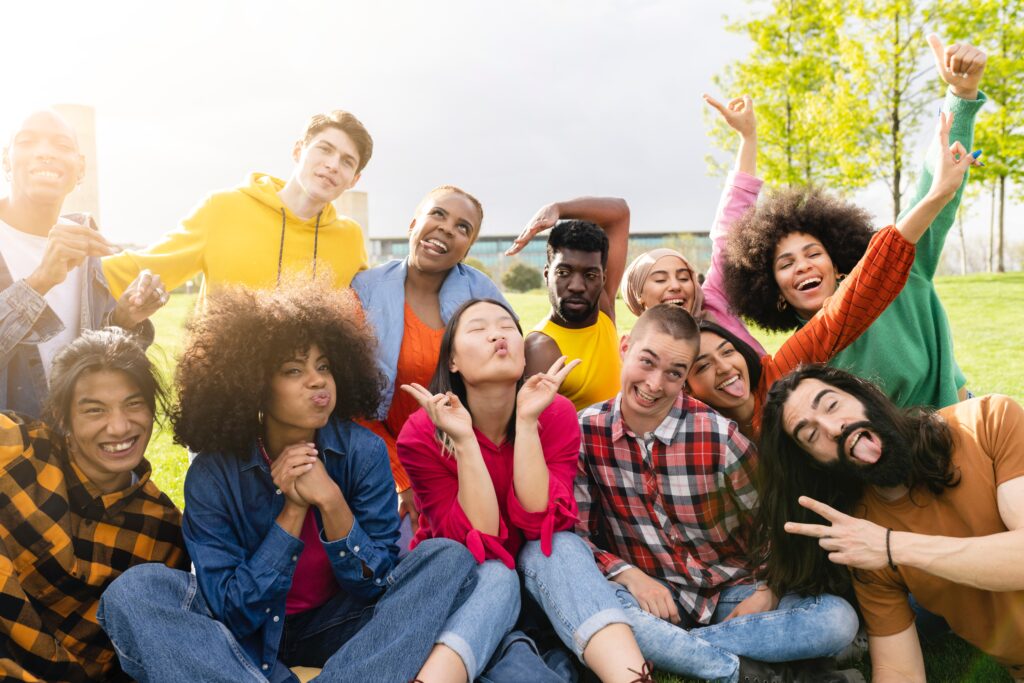
Many Zoomers place equality and fairness at the heart of their worldview. Climate change, racial justice, LGBTQ+ rights, and mental health awareness are not side issues to them but central causes that shape how they vote, work, and spend.
The emphasis on justice influences their daily choices. They’re more likely to boycott a brand over poor ethics or support politicians who prioritise systemic change, seeing activism as an everyday responsibility rather than a rare act.
4. They’re more financially cautious than older generations.

Gen Z came of age during financial uncertainty, from the 2008 crash to today’s cost-of-living struggles. Watching older generations carry debt makes them wary of credit and more focused on budgeting and side hustles to stay afloat.
That caution doesn’t mean they lack ambition. Many still dream big, but they’re pragmatic about it. Saving for stability feels as important as chasing opportunities, which influences how they approach work and lifestyle choices.
5. They embrace diversity.
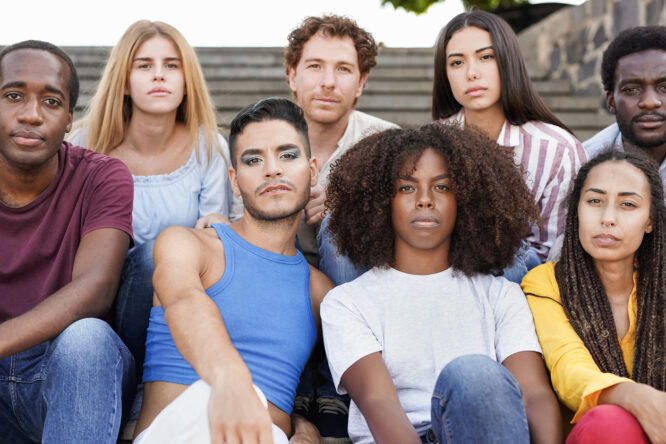
Gen Z are the most diverse generation yet in terms of ethnicity, sexuality, and identity. Growing up with greater representation in media and online has shaped them to see diversity as a norm, not an exception.
That perspective shows up in friendships, workplaces, and politics. They expect inclusion to be a given, not an afterthought, and are quick to call out tokenism or exclusion when they see it.
6. They prioritise mental health.

Zoomers talk about anxiety, depression, and therapy far more openly than past generations. They see mental health as just as important as physical health, and are less likely to dismiss struggles as weakness or something to hide.
Their openness influences workplaces and education. Gen Z push for environments that acknowledge mental wellbeing, from flexible schedules to access to counselling, expecting support rather than silence around mental struggles.
7. They blur work and life boundaries.

For Gen Z, work isn’t just about pay; it’s also about meaning, balance, and flexibility. They’re far less likely to stick with jobs that demand everything, and more likely to leave for roles that respect their mental and emotional health.
And no, that doesn’t mean they lack work ethic. It means they expect jobs to fit within a broader life, where hobbies, side projects, and relationships matter just as much as career progress.
8. They communicate visually.

From emojis to memes to short videos, Gen Z lean heavily on visual language. Images and clips often carry more weight than paragraphs of text, which shapes how they express humour, news, and even serious topics.
That style makes communication fast and creative, but it can puzzle older generations. For Zoomers, a meme can capture nuance or emotion more effectively than words alone, creating a shared cultural shorthand.
9. They value their independence more than most things.

Growing up with access to limitless information, Gen Z tend to research, learn, and solve problems on their own. They’re resourceful and often prefer self-directed paths over waiting for traditional systems to catch up.
That independence carries into careers and lifestyle. Many Zoomers seek freelance or entrepreneurial routes, not out of rebellion, but because they trust their ability to build skills and carve their own way.
10. They’re extremely politically engaged.

Gen Z are less willing to sit out of political issues. Social media has given them direct access to debates, campaigns, and global movements, and many have been politically active before even reaching voting age.
They see politics as personal, not distant. Whether through protests, petitions, or online discussions, they see engagement as part of their identity, not just a duty every few years at the ballot box.
11. They’re environmentally conscious.

Climate change has defined much of their worldview. For Gen Z, sustainability isn’t a bonus but an expectation. They want greener businesses, eco-friendly choices, and visible efforts to protect the planet in everyday life.
That concern influences what they buy, eat, and support. From second-hand fashion to renewable energy campaigns, they are reshaping markets by demanding eco-consciousness across industries and communities.
12. They value community online and offline.

Though much of their social life is digital, Gen Z still crave community in person. They often combine both, using online spaces to find like-minded people and then building real-life networks around those connections.
Taking a dual approach creates unique social bonds. Zoomers often move fluidly between online friendships and offline meet-ups, showing that digital connection can strengthen rather than replace human closeness.
13. They push for constant change.
Gen Z don’t expect the world to stay the same. They’re used to rapid technological and social shifts, which makes them more adaptable and less attached to tradition. If something feels outdated, they’re quick to call for change.
This push for change can frustrate older generations but also drives progress. Zoomers aren’t afraid to question norms, from gender roles to office culture, and they often lead conversations that force wider society to evolve.