Talking to kids about death has always been tricky, but a new wave of parents and educators are ditching the vague metaphors and sugarcoated stories.

Instead, they’re taking a more direct, emotionally honest approach. It’s one that’s raising eyebrows for being bold, uncomfortable, or just wildly different from the way most of us were raised. Whether it’s through storybooks, school curriculums, or raw conversation, here are the new methods people are using to teach kids about the end of life, and why they’re getting attention.
Skipping the euphemisms entirely

Instead of saying someone “went to sleep” or “passed on,” more parents and teachers are just saying “they died.” It sounds blunt, but the logic is that vague language can confuse kids and make them more anxious in the long run.
Some worry this approach is too harsh, but others say it helps kids process reality instead of fearing it. It’s about trust—letting kids hear the real words, ask real questions, and not feel like death is some secret adults are too scared to talk about.
Introducing grief books into bedtime reading

Instead of saving big emotional topics for moments of crisis, more families are weaving them into normal life through children’s books about loss, grief, and memory. These books explain death in age-appropriate ways, but without dodging the hard parts.
It normalises the conversation and helps kids build emotional vocabulary before they even need it. Some people think it’s a bit too “heavy” for bedtime, but others argue that’s exactly when kids need that kind of emotional closeness and honesty.
Schools adding death education to PSHE lessons
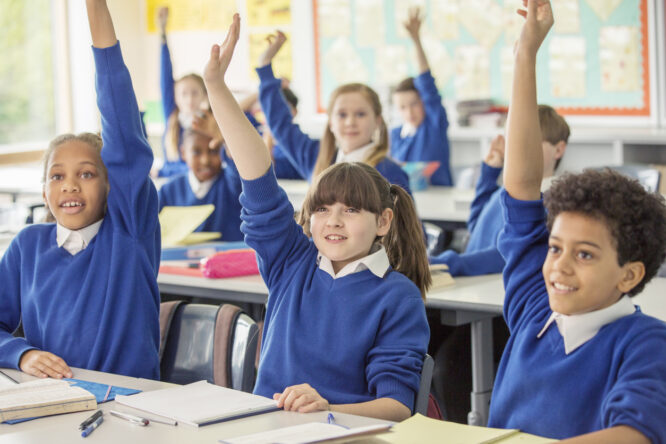
Some schools in the UK and abroad are now including lessons on death, dying, and bereavement as part of their emotional literacy or PSHE (Personal, Social, Health and Economic) curriculum. It’s a major change from the old “ignore it unless it happens” approach.
The lessons are tailored to different ages and focus more on feelings, questions, and empathy than on religious or medical explanations. Still, some parents aren’t thrilled about the idea of schools introducing these topics at all, but others say it’s about time.
Talking about dead pets instead of replacing them
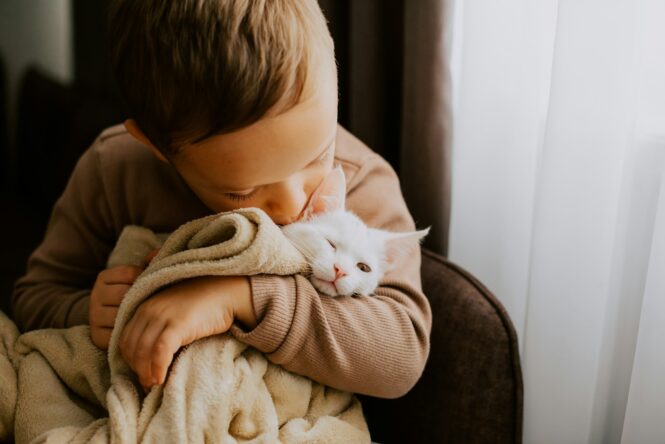
Instead of sneaking out to “replace” a dead goldfish or hamster before the child notices, more parents are choosing to have open conversations about what happened and why it matters. It may feel like you’re sparing a child from sadness by skipping the truth, but avoiding it often leads to more confusion and fear. Talking about pet death helps kids understand loss in a tangible, manageable way, with love, not denial.
Using nature to explain the life cycle

Some parents and teachers are turning to nature to start conversations about death, from fallen leaves to decaying logs or insects. It might sound strange, but these real-world moments give kids a way to see death as part of a cycle rather than something unnatural or terrifying.
It grounds the topic in something they can see and touch, without needing to dive straight into personal loss. Critics say it’s too indirect, but many families find it’s a gentle, age-appropriate way to introduce the concept without overwhelming them.
Letting kids attend funerals

For a long time, funerals were seen as too upsetting for children. Now, some families are intentionally including kids, giving them roles like drawing pictures for the service or lighting candles, so they feel included rather than shut out. It helps them process what’s going on, rather than being left to imagine something scarier. Some still feel it’s too intense, but others say it can be grounding, healing, and, if handled with care, a moment of connection instead of exclusion.
Having grief chats before someone dies

Instead of waiting until a loss happens, some parents are talking about death preemptively, like when a grandparent is ill, or even just in everyday conversation. The idea is to give kids a framework for understanding before emotions are running high.
This proactive approach is growing in popularity, especially in households where open communication is already a priority. It’s not about preparing for trauma; it’s about giving kids emotional tools so they’re not totally blindsided when it comes.
Explaining different beliefs instead of pushing one

In families that aren’t religious, or where beliefs vary, more parents are teaching kids that different people believe different things about what happens after death, and that it’s okay not to know for sure. That open-ended approach is raising eyebrows in more traditional settings, but many say it helps kids explore their own thoughts without fear or guilt. It encourages curiosity, not dogma—and lets them build a sense of meaning at their own pace.
Making space for “weird” grief responses

Adults often expect kids to cry, get quiet, or act sad after a loss. However, kids sometimes get silly, hyper, angry, or seem totally unaffected. Modern parenting approaches are starting to acknowledge that all reactions are valid. Letting kids grieve in their own way, without labelling it as wrong, is a change from older models that focused on “appropriate” responses. It doesn’t always look like sadness, but it’s still grief.
Regularly sharing stories about people who died

In the past, it was common to avoid bringing up someone who’d died in front of kids, thinking it might upset them. But newer thinking encourages sharing memories out loud, letting the person stay part of the family story. It keeps grief from becoming a hush-hush topic and shows that remembering someone doesn’t have to be painful. When done gently, it helps kids process loss and feel connected instead of left out of the emotional loop.
Letting kids be the ones to ask first
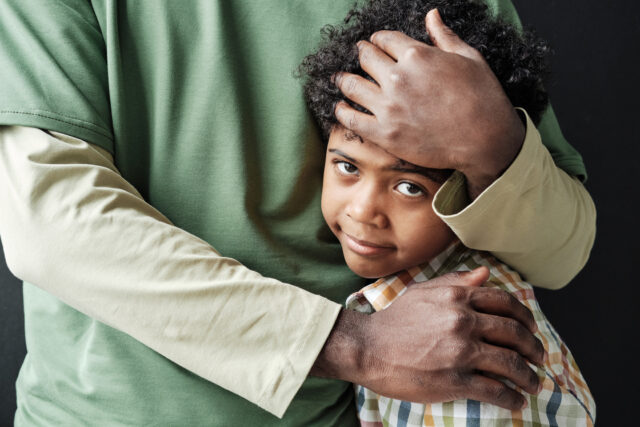
Rather than sitting kids down for a “death talk,” many modern parents are waiting for natural curiosity to lead the conversation. If a child asks, “Will I die?” or “Where did Grandma go?” that’s when the real talk begins. It feels more respectful and less forced. The conversation stays rooted in what the child can emotionally handle because it’s guided by their questions, not adult assumptions about what they should hear.
Validating grief even if the loss wasn’t big

Whether it’s the death of a pet, a classmate’s family member, or even a fictional character, today’s parenting approach tends to validate whatever grief the child is feeling. If it matters to them, it matters, full stop. That move away from “don’t be silly” or “you didn’t even know them that well” is huge. It tells kids that all emotions deserve space, and that grief isn’t just for adults or “major” losses. It’s a normal part of loving and letting go.