Most people focus on how many miles they can run or how much they can bench press, but the real test of how well you’re ageing is usually found in how easily you can tie your own laces or reach a cupboard shelf.

There’s a massive difference between being “gym fit” and having a body that actually moves the way it’s supposed to as the years pile on. Being a super-ager isn’t about having a six-pack; it’s about maintaining that fluid, easy movement that stops you from feeling stiff and creaky before your time.
These 12 checks aren’t designed to make you look like a contortionist, but they’ll definitely show you where your body is starting to seize up. If you can breeze through them, you’re likely in a much better position than most people your age, who spend half their day hunched over a desk. We’re looking at the specific markers of longevity that actually matter, from your hip mobility to the way your spine handles a simple twist. It’s a quick way to see if your biological age is keeping pace with the number on your birth certificate, or if you need to start putting in a bit more graft to keep things moving.
1. You can touch your toes without bending your knees.
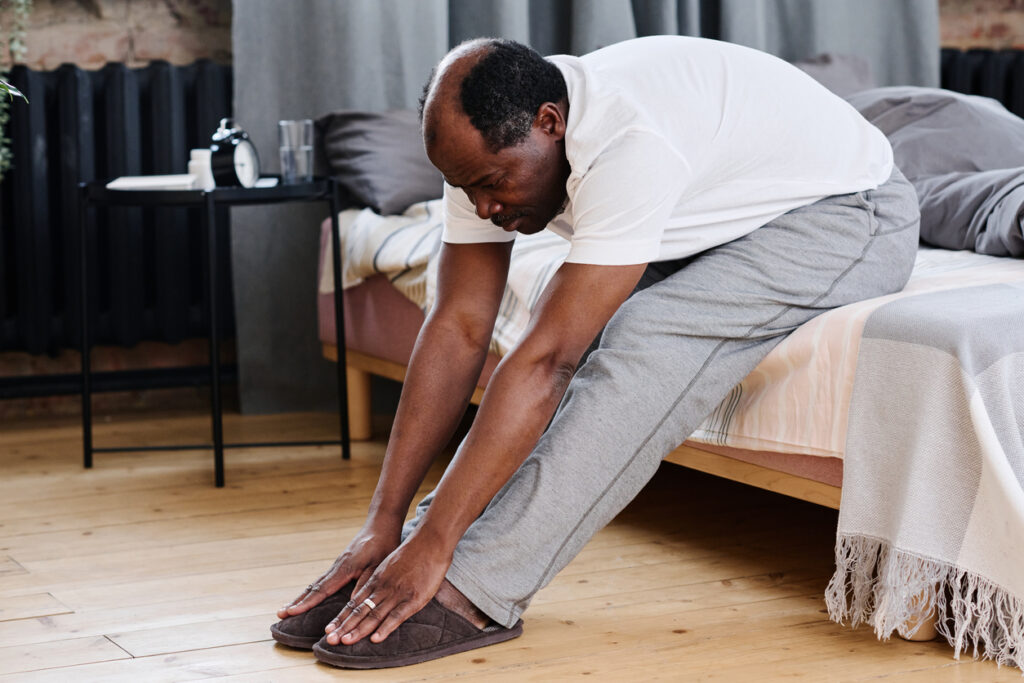
This classic test shows how flexible your hamstrings and lower back are. If you can reach down and touch your toes while keeping your legs straight, you’re keeping the kind of flexibility that stops injuries and keeps you moving easily. Most people lose this ability over the years, but super-agers hold onto it by staying active and stretching. When you can’t do this, it usually means tight hamstrings, which mess up your posture and put extra strain on your back. You don’t need to palm the floor, just getting your fingertips to your toes is good.
2. You can sit cross-legged on the floor comfortably.
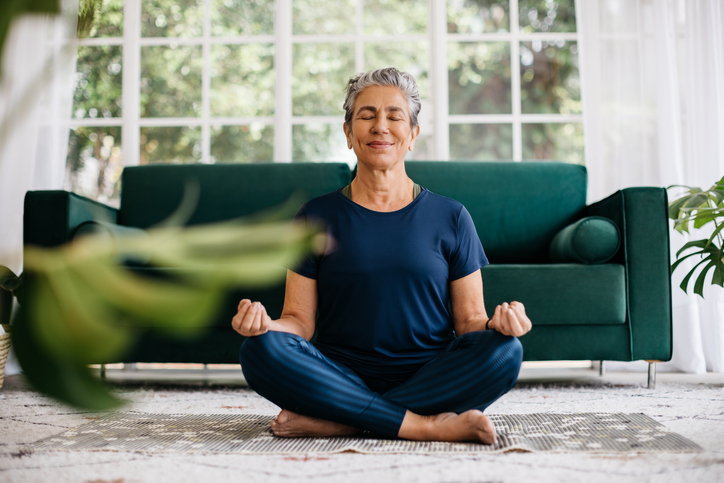
Sitting cross-legged needs hip flexibility that many people lose as they age. If you can get into this position and stay there without pain, your hips are in great shape. It keeps your hip joints mobile and your lower body strong, which matters for walking and stopping falls. People who can do this tend to have better balance and stronger cores because getting down to the floor and back up uses lots of muscles. It also shows you haven’t let your joints stiffen up from sitting in chairs too much.
3. You can reach both arms fully overhead without arching your back.
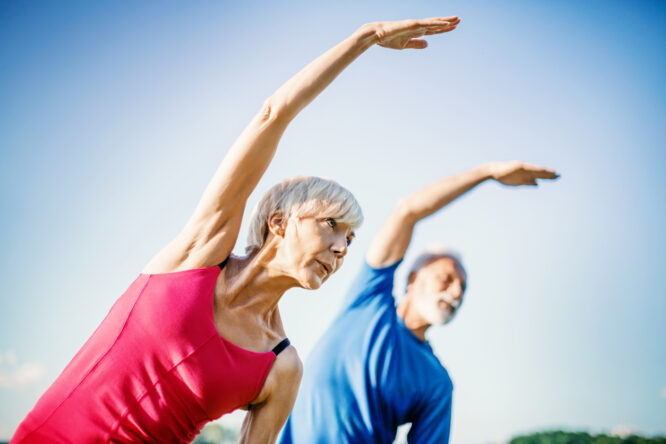
Full shoulder movement is harder to keep than most people think. If you can raise both arms straight up beside your ears without your back arching forward, your shoulders work really well. It’s important for everyday things like reaching high shelves or putting on a coat. Stiff shoulders usually come from bad posture and not moving enough, but super-agers keep this flexibility by using their shoulders regularly. When your back has to arch to get your arms up, it means your shoulders have lost movement.
4. You can turn your head to look over your shoulder easily.
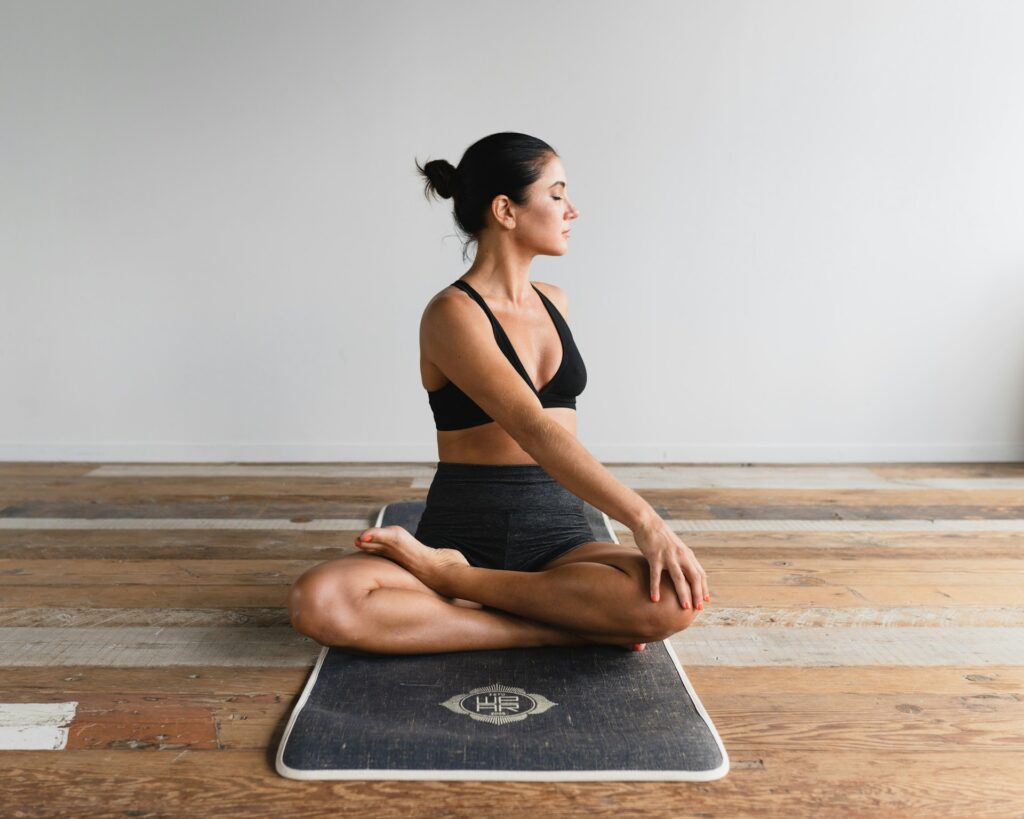
Being able to turn your head is something you don’t miss until it’s gone. If you can turn your head far enough to see behind you without moving your shoulders, your neck’s stayed flexible. It’s vital for driving safely, checking blind spots, and just knowing what’s around you. Neck stiffness builds up in people who stare at screens too much or sleep in bad positions. Super-agers have better neck movement because they keep their upper body active.
5. You can get up from the floor without using your hands.
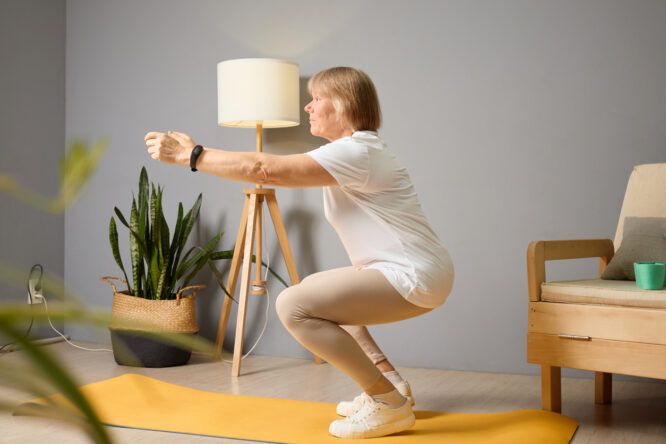
This test mixes flexibility, strength, and balance together. If you can sit down on the floor and then stand back up without pushing off with your hands, you’re in brilliant shape. Being able to do it predicts how long you’ll live better than many other tests because it shows your whole body works together. Each time you need your hands for support, it means weakness or stiffness somewhere in your legs, hips, or middle. People who can do this have fewer mobility problems as they age.
6. You can squat down with your heels flat on the ground.
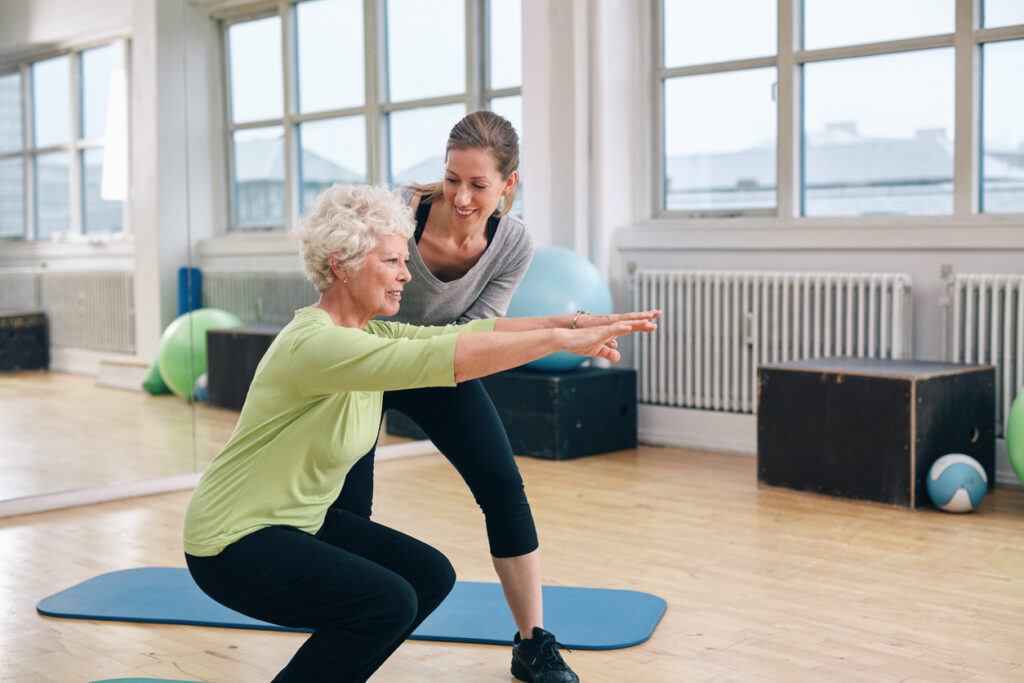
A proper deep squat with your heels down is something many adults can’t do anymore. If you can lower yourself into a full squat and keep your feet flat, your ankles, knees, and hips all work like they should. This position is natural for humans but gets lost when we spend too much time in chairs and shoes. Keeping this ability makes your joints healthy and your legs strong. It’s also useful for everything from gardening to playing with grandchildren on the floor.
7. You can clasp your hands behind your back.
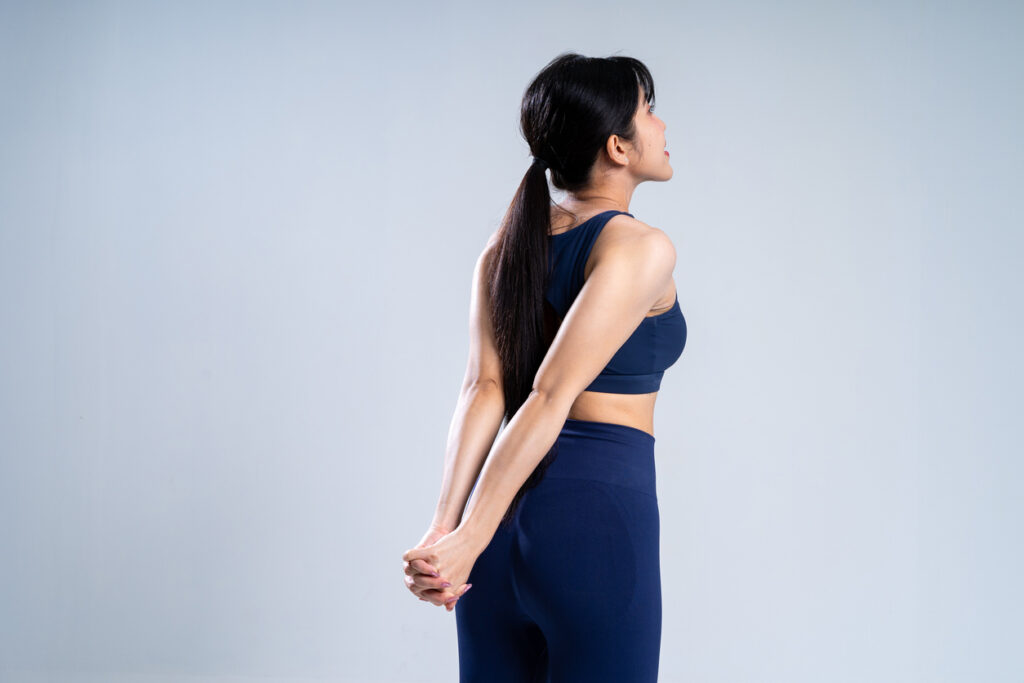
Reaching one hand over your shoulder and the other up from below to clasp them together tests shoulder and upper back flexibility. If you can do this on both sides fairly easily, your shoulders move well in different directions. Many people can only manage this on one side, which shows imbalances that can cause problems later. Super-agers work on keeping both sides of their body equally flexible. This movement also shows good posture and upper back movement.
8. You can rotate your torso to look behind you.
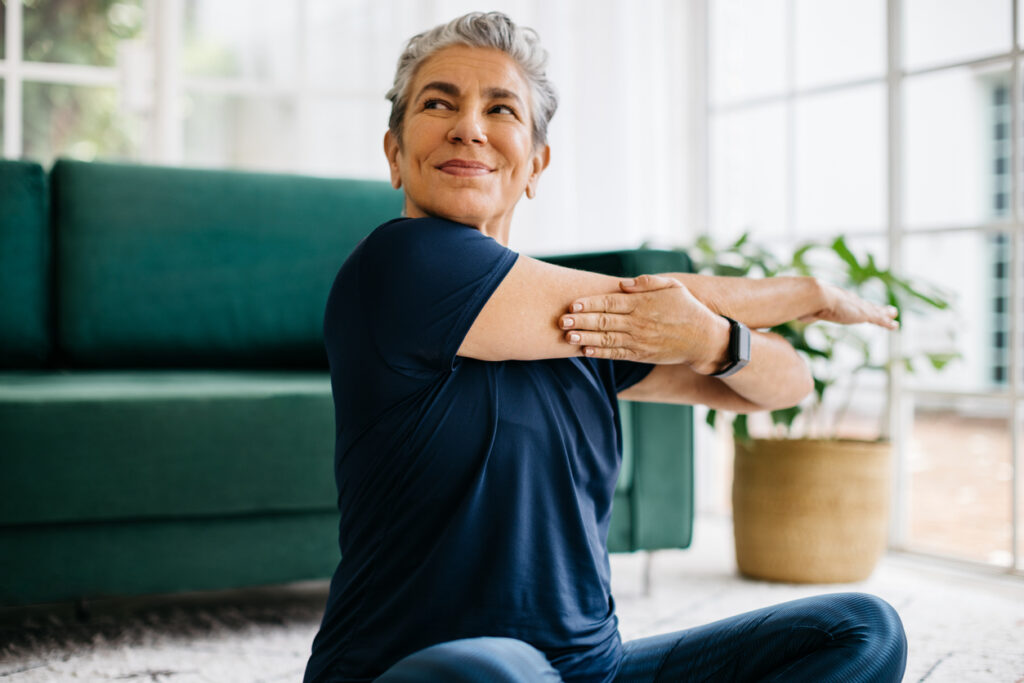
Being able to twist your body matters more than people think. If you can twist your upper body far enough to look directly behind you without moving your hips, your spine’s stayed flexible. This stops back pain and makes things like reversing a car or reaching across your body much easier. Stiff spines happen when people don’t move through their full range regularly. Being able to rotate freely means your spine hasn’t locked up from years of sitting.
9. You can touch your thumb to your forearm.
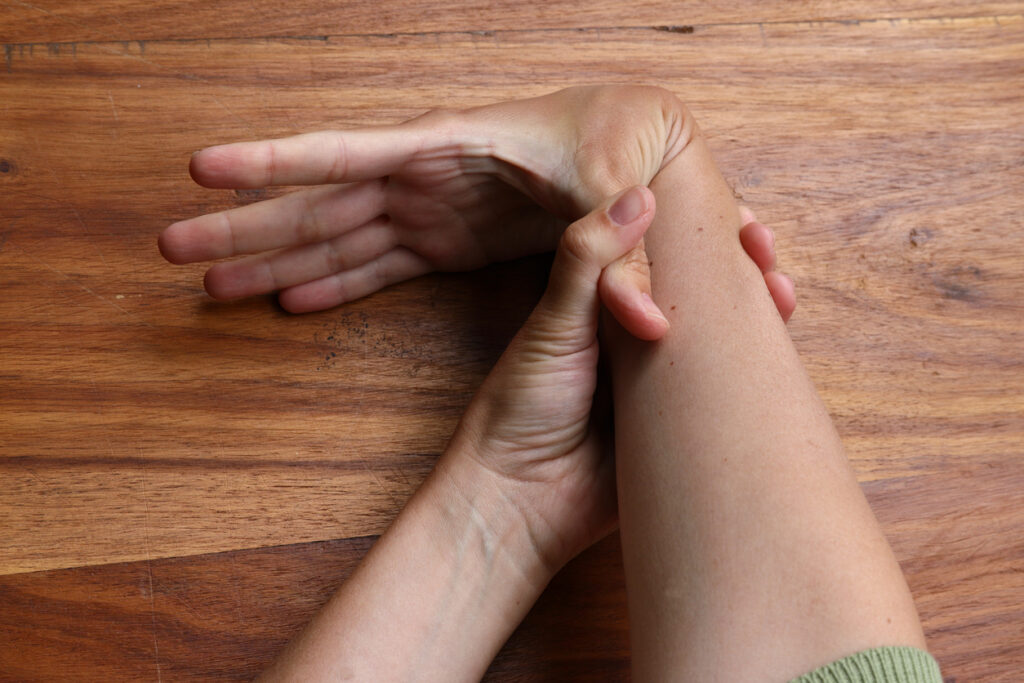
Wrist flexibility might seem small, but it affects your grip strength and how your hands work. If you can bend your wrist back far enough to touch your thumb to your inner forearm, you’ve got great wrist movement. This helps prevent things like carpal tunnel and keeps your hands working properly for gripping and holding objects. People who keep their wrists flexible have fewer problems with hand pain and stiffness as they age.
10. You can stand on one leg for 30 seconds.
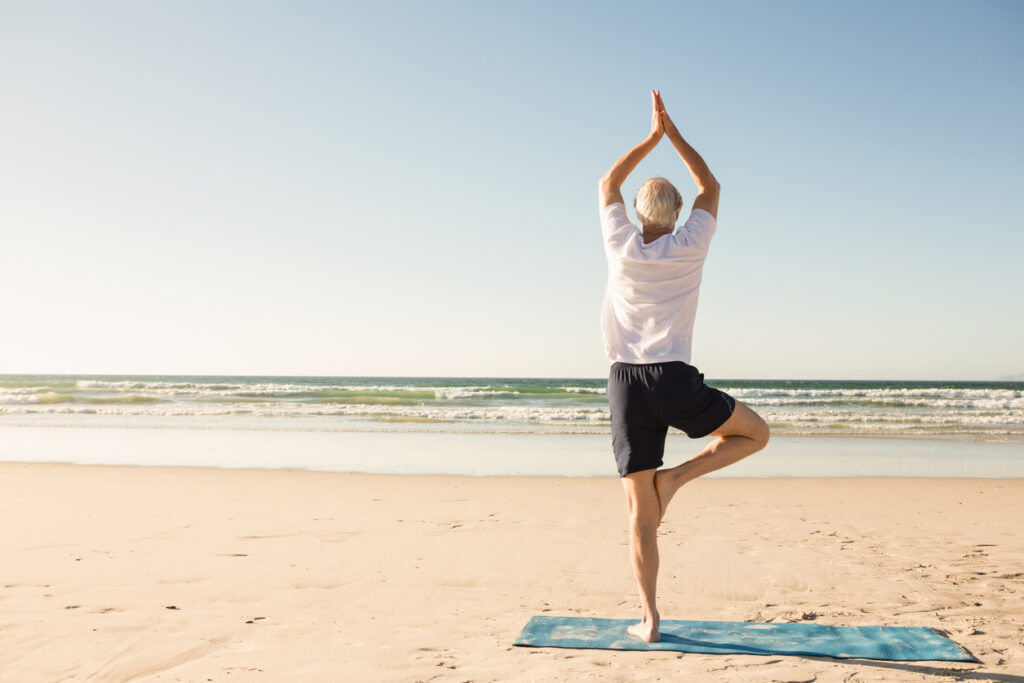
Balance needs flexible ankles and hips as much as it needs strength. If you can stand on one leg for at least 30 seconds without wobbling or putting your foot down, you’re keeping the stability that prevents falls. This test shows your body can make tiny adjustments to keep you upright, which needs flexible joints that respond quickly. Super-agers keep their balance sharp by testing their stability regularly. Bad balance often happens alongside stiff joints that can’t adjust to shifts in weight.
11. You can pull your knee to your chest while standing.
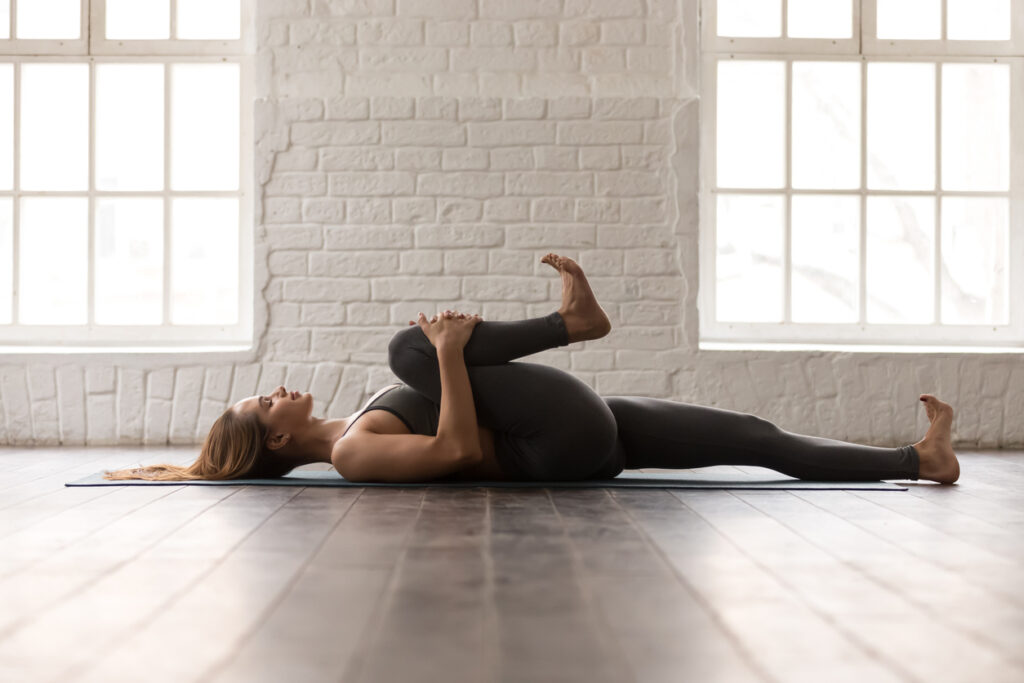
Hip flexibility lets you lift your knee high towards your chest without losing balance. If you can do this smoothly on both legs, your hips and middle are working well together. This matters for climbing stairs, getting in and out of cars, and walking properly. Tight hips come from too much sitting and not moving through a full range. Keeping this flexibility means you walk naturally.
12. You can bend sideways and reach past your knee.
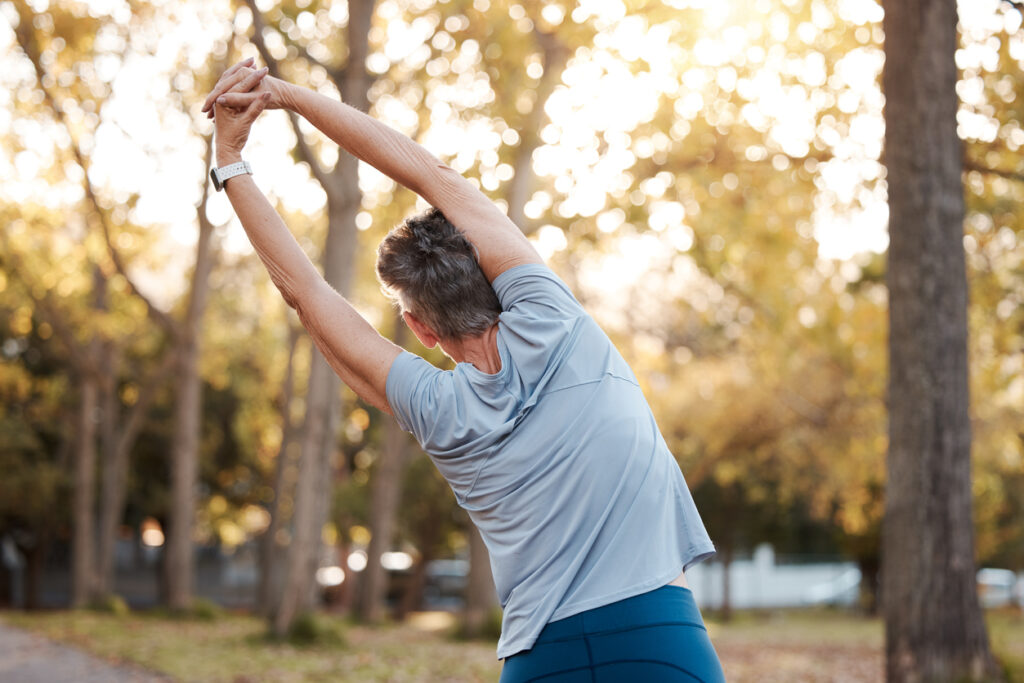
Side flexibility in your spine often gets ignored, but it’s really important for avoiding injuries. If you can bend to the side and reach your hand past your knee without leaning forward or back, your spine moves freely in all directions. This keeps the muscles along your sides flexible and stops the kind of problems that lead to back pain. Most people only move forward and back, so keeping side-to-side flexibility sets super-agers apart from those who’ve let their movement become limited.