It’s no secret that many UK public services aren’t what they used to be.

What was once taken for granted now feels like a waiting game, a system glitch, or a complete mystery. We were promised that after Brexit, life in Britain would improve in immeasurable ways. Unfortunately (and as many predicted), things have gone in the exact opposite direction. These are the areas where people across the country have started to feel the slow slide.
1. Getting a GP appointment

Once upon a time, you could phone your local surgery and be seen the same week, maybe even the same day. Now, it’s a 20-minute phone queue at 8am followed by “no appointments left, try again tomorrow.” And that’s if the phones are even working properly. It’s left a lot of people feeling like they have to be seriously ill to justify even trying. For non-urgent care or ongoing conditions, the delays can feel endless, and many are quietly giving up on even trying to be seen.
2. NHS waiting lists

Getting referred used to mean you’d wait a bit—now it can mean months, or even years. From hip replacements to mental health support, people are left hanging in limbo while conditions get worse and options shrink. It’s not impatience—it’s the fact that basic care is taking so long that some people opt to go private or just live with pain. That kind of system only works for the people who can afford a plan B.
3. Postal service delays
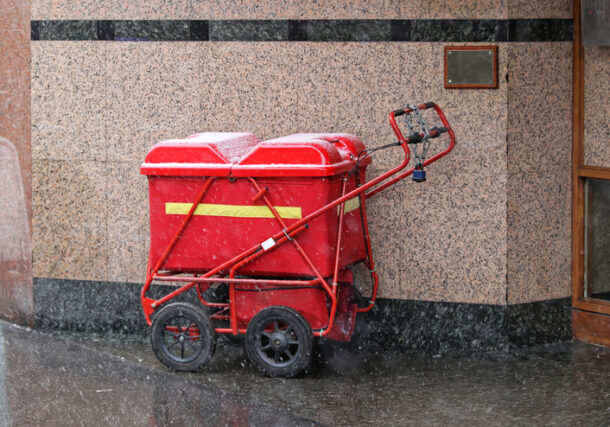
The post used to be reliable, especially for those who rely on it for things like prescriptions, appointment letters or legal documents. Now, there are entire areas where deliveries are hit-or-miss for the Royal Mail, and first-class post arrives days late. While digital has taken over in many areas, not everyone is online. When the mail starts slipping, vulnerable people are the first to feel it—and there’s not much recourse when things go missing.
4. Public transport reliability

Trains that don’t show up, buses that disappear from the app, and services cancelled last minute without explanation—it’s become part of the daily grind. And in many places, there aren’t even backup options anymore. Outside of major cities, the public transport network is fragile at best. Miss one bus, and you could be stuck for hours, or worse, not make it to work at all. For something that’s meant to be a lifeline, it’s become an unpredictable gamble.
5. Social care support

The social care system is under so much strain that people are falling through the cracks constantly. Whether it’s elderly care, disability support, or help for vulnerable adults, the demand far outweighs the resources. Families often end up shouldering the burden, navigating endless paperwork, and feeling like they have to fight just to get the bare minimum. It’s not about luxuries; it’s about basic dignity being delayed or denied.
6. Council services

Bins go uncollected, streetlights stay broken, and potholes linger for months. Council budgets have been sliced so thin that services once handled without fuss now involve online forms, long waits, and chasing someone who never replies. It’s not that the staff don’t care—it’s that they’re stretched to breaking point. The visible decline in upkeep reflects how deep the cuts really go, and everyday people are left footing the bill in inconvenience.
7. Mental health support

Waiting months for therapy, or being told to call a crisis line when what you need is consistent support, has become heartbreakingly common. The system is trying, but it’s overwhelmed, underfunded, and not built for the volume it’s now facing. Many people are told to “self-manage” through online modules or put on endless waitlists. That kind of emotional limbo only makes things worse, especially when what’s needed is real human connection and guidance.
8. DVLA processing times
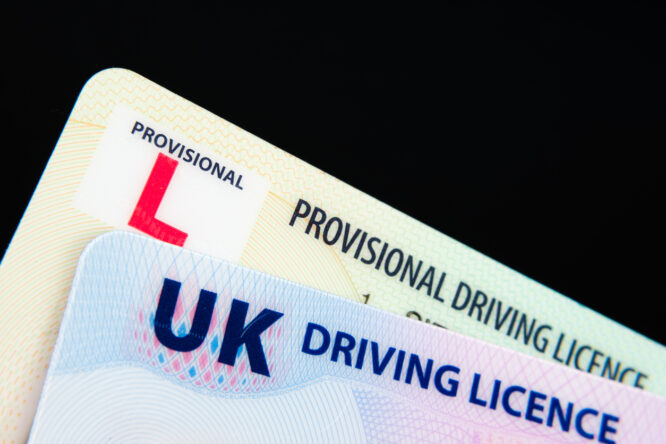
Whether it’s renewing a licence or registering a car, dealing with the DVLA has become a prolonged experience. What used to take days can now stretch into weeks or even months, with little explanation or support. For people who rely on driving for work or care responsibilities, those delays aren’t just annoying—they’re life-disrupting. Worse still, getting answers from anyone is often the hardest part.
9. Legal aid and court backlogs

The justice system is another area that’s creaked under pressure. Court dates are backed up, cases are delayed for months, and many people can’t afford legal help due to slashed legal aid budgets. It’s a system that’s supposed to serve everyone, but increasingly, it feels like the scales are tipped in favour of those who can pay to cut the queue. For everyone else, justice is something you wait for—and wait, and wait.
10. Passport and travel document delays
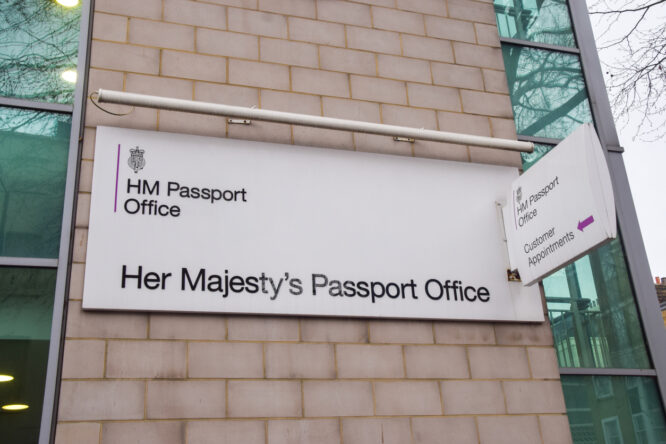
Applying for a passport used to feel simple. Now, delays can leave you biting your nails even months in advance. It’s caused missed holidays, cancelled family reunions, and a lot of last-minute stress that shouldn’t be happening. Even with fast-track services available, it’s not always enough. Plus, for those who can’t afford to upgrade, it becomes another example of a system that’s only smooth if you have money to spare.
11. School support services
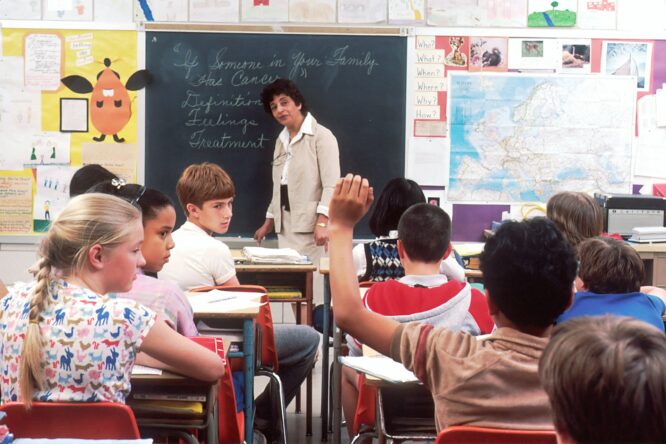
Parents and teachers alike have seen how hard it’s become to get specialist support for kids who need it, whether it’s assessments, additional help, or mental health services in schools. The referrals pile up, but the follow-through often never comes. Children with real needs are being left behind because there simply aren’t enough staff, time, or resources. It’s demoralising for everyone involved, and the long-term effects are hard to ignore.
12. Housing support and repairs

From long waits for council housing to emergency repairs that never get scheduled, the housing system feels broken for many. Some tenants wait months to get leaks fixed or mould addressed, and often give up chasing because no one picks up the phone. It’s not just frustrating—it’s unsafe. People are living in substandard conditions because the systems in place to protect them are too slow, too backlogged, or too understaffed to respond.
13. Job centre and benefits support
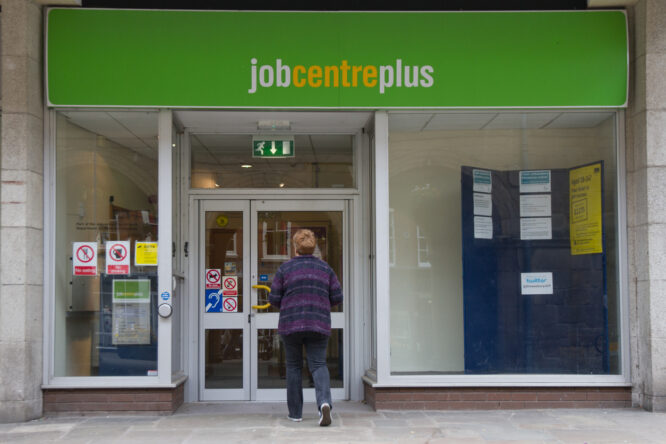
Applying for help during hard times used to feel like a bridge. Now it can feel like an obstacle course. The process is clunky, the rules are confusing, and the pressure to prove you’re “deserving” can be dehumanising. Many people don’t even finish their applications—not because they don’t need help, but because the process is so draining. It’s created a culture of suspicion rather than support, and it shows.
14. Public library closures and cuts

Libraries were once community hubs—quiet spaces to read, apply for jobs, use the internet, or just exist without spending money. Now, many have been closed or stripped down to the basics due to relentless cuts. It’s more than a loss of books. It’s a slow erosion of accessible learning, public connection, and safe spaces for people who might not have anywhere else to go. And once they’re gone, it’s hard to bring them back.