From budget cuts to mental health struggles, education in the UK is facing a perfect storm, and it’s not just teachers bearing the brunt.

Students are under growing pressure, schools are being stretched thin, and policy changes often feel out of touch with what actually works. These aren’t just isolated complaints; they’re recurring issues being flagged across the country. Here are 13 very real challenges British teachers and students are dealing with these days, whether politicians want to talk about them or not.
1. Unmanageable class sizes are getting out of control.
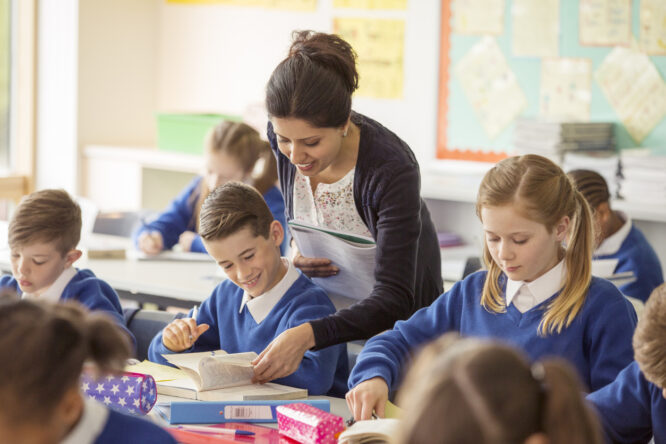
Many secondary school teachers are now managing classrooms of over 30 pupils, with little to no additional support. That means less individual attention, more classroom disruptions, and an overwhelming workload for staff already pushed to their limits.
For students, it creates a learning environment where it’s easy to slip through the cracks. Those who struggle don’t get the support they need, and those who excel aren’t always challenged enough. The system just isn’t built for nuance at that scale.
2. Teacher burnout is at crisis level.

The workload, admin pressure, unrealistic expectations, and constant policy changes have driven many teachers to leave the profession altogether. The job isn’t just emotionally demanding anymore, it’s becoming unsustainable for a growing number of educators.
When teachers are exhausted, it directly affects the quality of education. Lessons suffer, relationships with students break down, and creativity gets replaced by survival mode. That kind of burnout isn’t just bad for staff. Students lose out too.
3. SEND support is stretched far too thin.

Special Educational Needs and Disabilities (SEND) provision has been flagged as underfunded for years, and in 2025, it’s still struggling to meet demand. Teaching assistants are often shared between multiple children, or not available at all.
That leaves teachers trying to juggle complex needs without the training or time to do it properly, and students with SEND feeling misunderstood, left out, or constantly “managed” instead of supported. It’s failing the very kids who need the system the most.
4. Student mental health is in sharp decline.
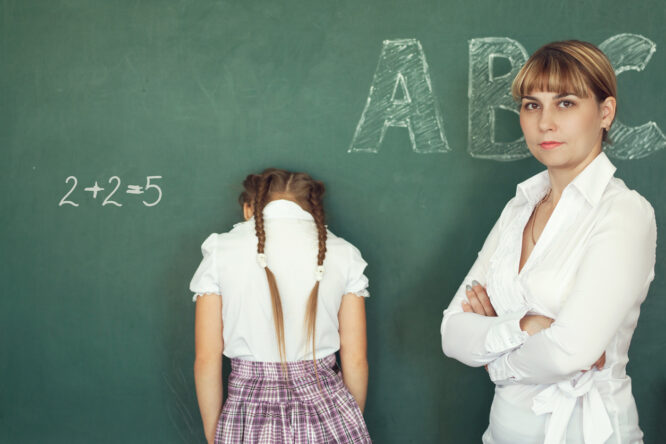
From anxiety to eating disorders, self-harm to burnout, students in both primary and secondary schools are facing a mental health crisis. Waiting times for CAMHS (Child and Adolescent Mental Health Services) remain long, and in-school support is limited at best.
Teachers are expected to act as counsellors, even though most aren’t trained for that. And without proper resourcing, early intervention becomes wishful thinking. The emotional toll on students is huge, and too often, unnoticed until it’s severe.
5. The rising cost of living is affecting student focus.
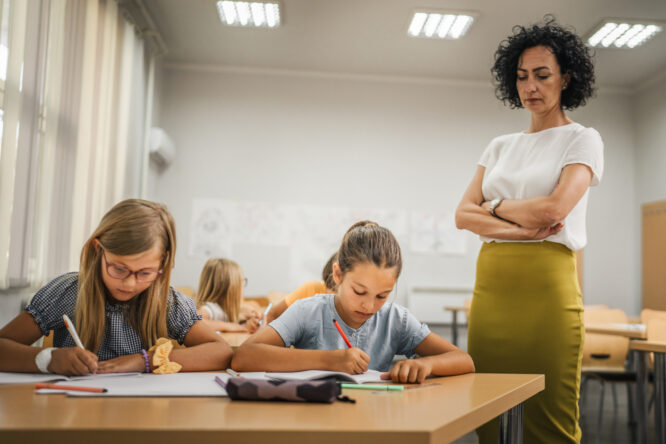
More children are coming to school hungry or tired because their families can’t afford consistent meals, heating, or stable housing. Schools are stepping in with breakfast clubs and food banks, but they’re patching over a much bigger problem. For students living with insecurity, school can feel like a safe place, but it’s hard to concentrate when your basic needs aren’t being met. Teachers see this every day, and it’s heartbreaking how common it’s become in classrooms across the UK.
6. There’s an over-reliance on data and targets.

Instead of trusting professional judgment, teachers are increasingly expected to deliver proof of progress in spreadsheets, assessments, and league tables. The human side of learning gets buried under performance metrics. This results in a system where ticking boxes matters more than genuine understanding. Students are treated as data points, and teachers feel more like administrators than educators. It’s demoralising and, frankly, misses the point of education entirely.
7. Behaviour management is tougher than ever.

Post-COVID, schools are seeing an increase in challenging behaviour, often linked to social anxiety, lack of routine at home, or emotional regulation difficulties. Many teachers report feeling unsupported when trying to manage these complex needs.
Exclusions are rising, but they’re often a last resort after repeated incidents. Without proper resources, strategies, or staff training, behaviour management turns into firefighting instead of support, and students on the edge fall even further behind.
8. Much of the curriculum feels outdated and inflexible.
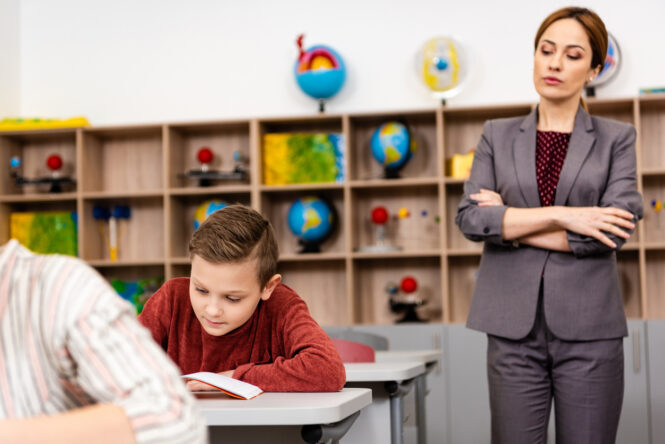
Despite a fast-changing world, the national curriculum remains slow to evolve. Teachers are still forced to cram in content that feels disconnected from real life, while students are crying out for more relevant, skills-based learning. Subjects like financial literacy, digital citizenship, and emotional intelligence are either missing or under-emphasised. Students are left feeling disengaged, while teachers are left trying to force an old system to work in a new world.
9. Tech access is still unequal.

Some students have iPads and fibre broadband. Others are doing homework on broken phones or relying on borrowed devices. The digital divide didn’t disappear after lockdown. It just got less attention. When schools assume equal tech access, disadvantaged pupils get left behind. That affects everything from homework to exam prep. Teachers are stuck trying to balance these gaps while being told to move everyone along at the same pace.
10. Pay and recognition remain low.

Despite all the stress, teachers in the UK are still underpaid compared to other professions with similar levels of responsibility. That’s before you factor in unpaid overtime, planning at home, and the emotional labour they carry. That lack of recognition is driving great teachers away. And for those who stay, it creates a sense of resentment and disillusionment. It’s hard to show up with passion when you’re constantly being treated like you’re replaceable.
11. Parental pressure is increasing.

Some parents are supportive, but others are demanding more and more, from top grades to constant feedback, without always understanding what’s realistic. Teachers find themselves caught between policy requirements and parental expectations. In some cases, staff face criticism for not doing enough when they’re already doing far beyond what their job description includes. It adds another layer of pressure that makes teaching feel thankless instead of rewarding.
12. Students feel the pressure of early high-stakes testing.
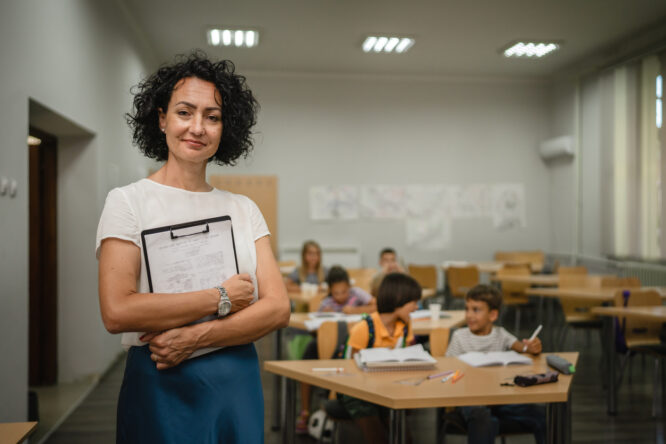
Primary school children are sitting formal tests at younger ages, and it’s contributing to anxiety and burnout before they even reach secondary school. Teachers often have to teach to the test instead of fostering curiosity. By the time they’re 11, many kids already see themselves as “good” or “bad” at school. That sense of identity sticks, and it can have long-lasting effects on motivation and confidence well into their teenage years.
13. There’s a growing disconnect between policy and reality.

Many educators feel that government decisions about education are being made by people who haven’t set foot in a real classroom in years. Policies often feel out of touch, rigid, and more focused on appearances than impact. This gap between what schools need and what’s being delivered is only getting wider. Teachers and students are left dealing with the consequences, while those in power offer platitudes and piecemeal reforms that don’t address the actual issues.