There’s no one right way to raise amazing kids, especially since every child is different.

That being said, the parents who consistently raise confident, capable little ones aren’t following complicated parenting theories or spending fortunes on enrichment activities. Instead, they’re doing simple things differently from everyone else, creating environments where their kids naturally develop resilience, self-worth, and genuine life skills that actually matter.
1. They let their kids struggle with problems before jumping in.

When their child faces difficulties with homework, friendship drama, or small challenges, these parents resist the urge to swoop in immediately. They watch their kids wrestle with problems and only offer help when it’s genuinely needed or requested.
This approach teaches children they’re capable of figuring things out independently. Kids who learn to handle struggles early develop genuine confidence, rather than relying on parents to solve everything for them.
2. They talk about failures as learning opportunities, not disasters.
Bad test results, failed tryouts, or social mishaps get discussed as normal parts of life rather than catastrophic events. These parents share their own failure stories and what they learned from them, normalising setbacks as valuable experiences.
Children learn that failure isn’t something to fear or avoid at all costs. When mistakes become learning opportunities rather than sources of shame, kids are willing to take risks and try challenging things.
3. They set clear boundaries but explain the reasoning behind them.

Rules exist in these households, but they’re not arbitrary or handed down without explanation. Parents take time to explain why certain boundaries matter and how they protect or benefit the family as a whole.
Kids respect boundaries more when they understand the logic behind them. When children know the ‘why’ behind rules, they’re more likely to follow them even when parents aren’t watching.
4. They don’t rescue their kids from natural consequences.

Forgotten homework stays forgotten, missed buses mean walking to school, and broken toys don’t get immediately replaced. These parents let real-world consequences teach lessons rather than constantly cushioning their children from reality.
Natural consequences are far more effective teachers than lectures or punishments. When kids experience the actual results of their choices, they learn responsibility much faster than when parents constantly fix everything.
5. They ask about feelings but don’t try to fix every emotion.

When their child is upset, sad, or frustrated, these parents listen and validate those feelings without immediately trying to make everything better. They teach children that all emotions are normal and temporary, rather than something to be eliminated quickly.
Kids develop emotional resilience when they learn to sit with difficult feelings rather than expecting other people to fix them. Children who understand emotions are temporary become more emotionally stable adults.
6. They give their children real responsibilities, not busy work.

Chores in these households aren’t token gestures but genuine contributions to family functioning. Kids might be responsible for their own laundry, cooking certain meals, or managing specific household tasks that actually matter.
Real responsibility builds genuine self-worth because children know they’re truly needed and capable. Kids who contribute meaningfully to their families develop stronger work ethics and practical life skills.
7. They model the behaviour they want to see.

These parents don’t just tell their children to be respectful, hardworking, or kind—they demonstrate these qualities in their own daily actions. They show how to handle stress, treat other people, and manage responsibilities through their own behaviour.
Children learn far more from watching than listening to lectures. When parents consistently model positive behaviour, kids naturally absorb these patterns as normal ways of being.
8. They celebrate effort and progress, not just achievements.

Praise focuses on the work their child put in, the improvement they’ve made, or the strategies they used rather than just the end result. These parents notice when their kids try hard, even if the outcome isn’t perfect.
Celebrating effort creates children who aren’t afraid to tackle difficult challenges. When kids know their hard work gets recognised regardless of results, they’re more willing to attempt things they might not immediately excel at.
9. They don’t overprotect their children from age-appropriate challenges.

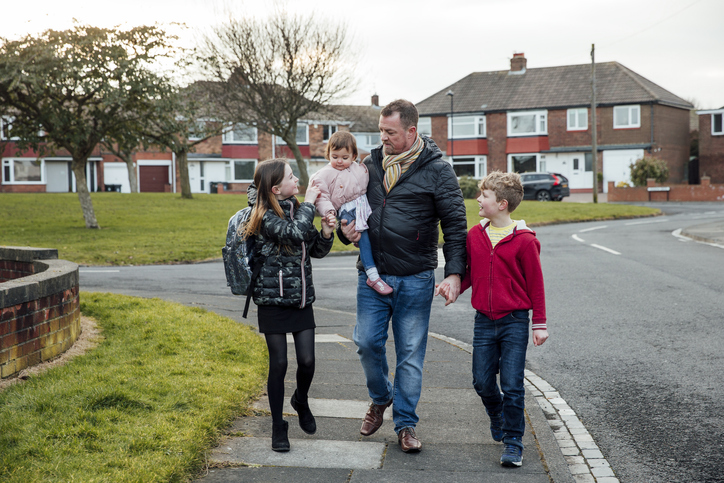
These kids walk to school alone when they’re old enough, handle their own conflicts with friends, and take on challenges that might involve some risk or difficulty. Parents gauge what’s appropriate for their child’s maturity rather than their own anxiety levels.
Children build confidence by successfully navigating challenges independently. When kids prove to themselves they can handle difficult situations, they develop genuine self-reliance rather than anxiety about the world.
10. They maintain their own interests and relationships.

These parents have lives beyond their children, including friendships, hobbies, and personal goals that don’t revolve around parenting. They show their kids that adults have rich, fulfilling lives rather than sacrificing everything for their children.
Kids learn healthy relationship patterns when they see parents maintaining balanced lives. Children whose parents have their own interests don’t feel responsible for their parents’ happiness or entertainment.
11. They teach financial literacy through real situations.
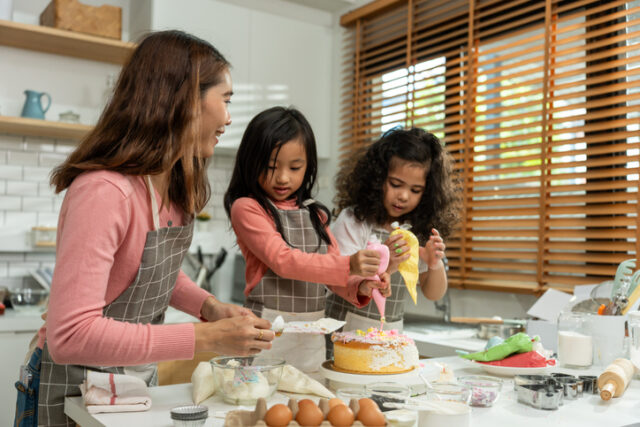
Money conversations happen naturally in these families, whether discussing household budgets, explaining why certain purchases aren’t possible, or giving children opportunities to manage their own money for wants and needs.
Early financial education creates adults who understand money management. When children learn about budgeting and financial decisions through real family situations, they develop practical money skills rather than unrealistic expectations.
12. They focus on character development over achievements.

While these parents care about their children’s success, they prioritise qualities like kindness, integrity, and perseverance over grades, trophies, or prestigious activities. Character conversations happen regularly and matter more than academic performance.
Strong character creates lasting success in all areas of life. When children develop good values and interpersonal skills, they naturally succeed in relationships, work, and personal satisfaction regardless of their academic achievements.
13. They admit their own mistakes and apologise when necessary.

These parents own up to their parenting mistakes, apologise when they’ve handled situations poorly, and show their children that adults can change and grow. They model accountability rather than pretending to be perfect.
Children learn accountability and growth mindsets when parents admit mistakes. When kids see adults taking responsibility for errors and making changes, they develop healthier approaches to their own mistakes and personal development.