You want to be a good patient, but often the very things you say to try to be helpful are the ones that end up muddying the waters.

If you’re busy trying to diagnose yourself with a search engine or downplaying your symptoms so you don’t sound like a whinger, you’re making it much harder for your GP to actually work out what’s going wrong.
The relationship between you and your doctor works best when it’s a straight conversation, not a game of charades. They’ve seen and heard it all before, so there’s no need to sugarcoat the truth or omit the embarrassing details that might actually be the key to the whole puzzle. If you find yourself saying these things to avoid a difficult conversation or to speed things along, you’re likely selling your own health short.
1. “I found on Google that I have…”

Walking in with a self-diagnosis puts your GP in an awkward position. They can’t just agree with what you’ve read online because they need to do their own assessment. It also makes the appointment confrontational rather than conversational and productive. Instead, describe your symptoms clearly and mention you’ve done some reading, but you’re there for their professional opinion. Your doctor has years of training to spot patterns and rule out serious conditions that Google can’t.
2. “It’s probably nothing, but…”

This line undermines your own concerns before you’ve even explained them. GPs need you to be honest about what’s worrying you, not apologetic for being there. If something’s bothering you enough to book an appointment, it deserves proper attention. Your doctor would much rather investigate something that turns out to be minor than miss something important because you downplayed it. Drop the apology and just tell them what’s going on.
3. “Can you just give me antibiotics?”

Antibiotics don’t work for viral infections, and demanding them suggests you don’t trust your GP’s judgement. They’ll prescribe antibiotics when they’re needed, but pushing for them when they’re not appropriate contributes to antibiotic resistance. It also wastes appointment time that could be spent discussing what will actually help you. Trust that your doctor knows when medication is necessary and when your body can handle things on its own.
4. “I’m fine with everything else.”

GPs can only help with problems they know about. Saying you’re fine when you’re not means missing opportunities for early intervention. Maybe you’ve been feeling more tired lately or your mood’s been off, but you don’t want to seem like you’re complaining. These details matter, and your doctor can’t read your mind. Use your appointment to mention anything that’s changed, even if it seems unrelated to why you’re there.
5. “I stopped taking my medication because I felt better.”

This is really common, but it makes your doctor’s job much harder. Many medications need to be taken consistently to work properly, and stopping them can cause serious problems. If you’ve stopped taking something, your GP needs to know immediately so they can assess the situation and adjust your treatment. Be honest about it, rather than pretending you’ve been taking tablets you haven’t touched in months.
6. “My friend had the same thing and got…”

What worked for your friend might not be right for you. Everyone’s medical history is different, and your GP needs to consider your specific situation. Comparing treatments can make it seem like you’re not interested in their recommendation. Mention what you’ve heard if you’re curious, but don’t expect the same approach. Your doctor will explain why different people get different treatments for similar symptoms.
7. “I don’t want to waste your time.”

You’re not wasting anyone’s time by seeking medical advice. That’s literally what GPs are there for. This phrase can make you rush through your symptoms or leave out important details. Your doctor would rather spend ten minutes with you now than deal with complications later because you didn’t speak up. Take the time you need to explain what’s happening properly and ask your questions.
8. “Can’t you just refer me to a specialist?”

GPs are specialists in general medicine and can handle most health issues. Jumping straight to a referral bypasses their expertise and could lead to unnecessary tests or waiting times. Let your doctor examine you first and discuss whether a specialist is actually needed. Sometimes what seems like a complex problem has a simple solution that your GP can sort out right there.
9. “I haven’t tried anything yet, I wanted to see you first.”

For minor issues, your GP will probably recommend the same over-the-counter treatments you could have tried at home. Showing you’ve attempted basic remedies demonstrates you’re taking your health seriously and helps them gauge how severe things are. They can then focus on next steps rather than suggesting things you haven’t bothered trying. This saves time for both of you.
10. “So what should I do?” without clarifying anything.
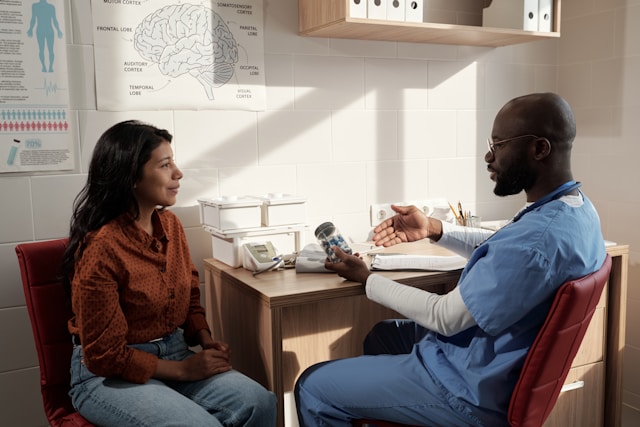
Being vague means your GP has to guess what you’re asking about. Are you worried about a specific symptom, wondering about prevention, or confused about treatment options? The clearer you are, the better advice you’ll get. Think about what you actually want to know before your appointment ends. It’s fine to ask direct questions about next steps, prognosis, or when to come back, but make sure your doctor knows what information you need.
11. “I saw this treatment advertised and wondered if you’d prescribe it.”

Pharmaceutical advertising is designed to sell products, not provide medical advice. Your GP will prescribe what’s clinically appropriate for you, not what’s being marketed heavily. Asking about advertised treatments can waste time that could be spent on proven options. If you’re curious about something you’ve seen, mention it briefly, but trust your doctor’s recommendation over marketing materials.
12. “Can you just sign this form quickly?”

Medical forms require proper consideration and can’t be rushed. Your GP needs to review your records and make sure what they’re signing is accurate and appropriate. Asking them to just sign something suggests you don’t understand how seriously they take their professional responsibilities. Allow time for form completion, and don’t expect it to happen during an appointment about something else entirely.
13. “I don’t trust conventional medicine.”

If you don’t trust conventional medicine, it’s odd to be at a GP appointment. This statement puts your doctor in an impossible position because they can only offer evidence-based treatments. They’re happy to discuss complementary approaches alongside standard care, but they can’t help if you’re fundamentally opposed to what they do. Be upfront about your preferences early on so you can find common ground.
14. “Never mind, I’ll just look after it myself.”

Getting frustrated and dismissing your doctor’s advice mid-appointment benefits nobody. If you disagree with their recommendation, say so and ask questions until you understand their reasoning. Walking out determined to ignore professional advice means you’ve wasted your own time and potentially put yourself at risk. Have an honest conversation about your concerns, rather than shutting down when you don’t hear what you expected.