Every language has its quirks, but some idioms take things to a whole new level.
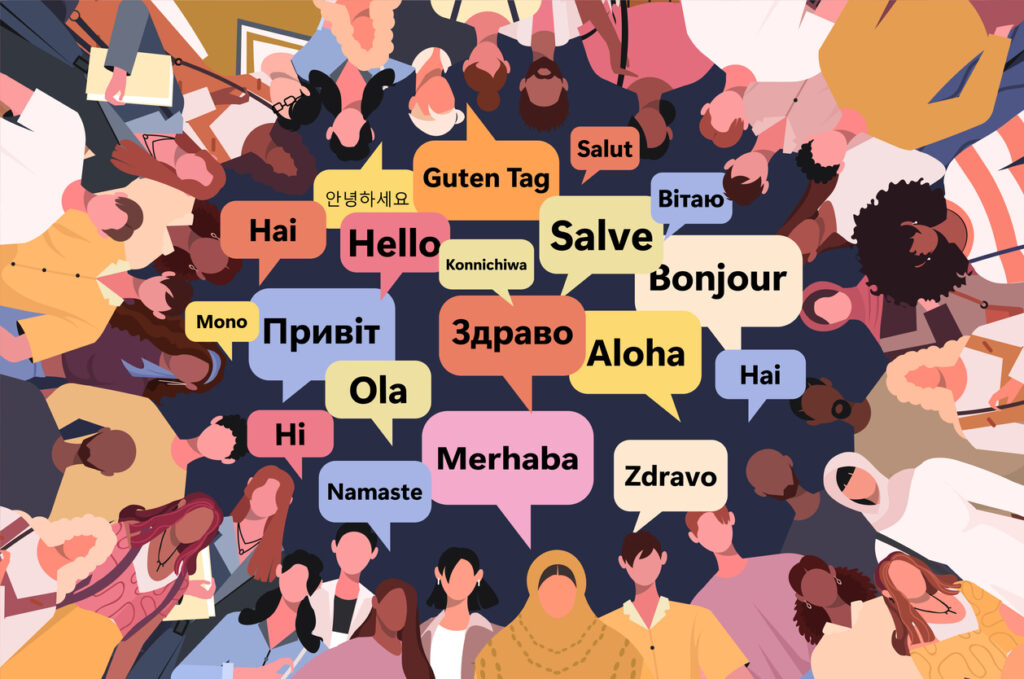
What sounds perfectly normal to native speakers can seem absolutely ridiculous once translated, and that’s part of the charm. From expressions about cats and potatoes to phrases involving goats, frogs, or even sandwiches, the world’s full of sayings that make perfect sense locally but sound hilariously odd anywhere else.
These colourful turns of phrase reveal how differently cultures see the world, and they’re a reminder that humour really is universal, just expressed in very unexpected ways.
1. Swedish: “There’s no cow on the ice.”

This means there’s no need to worry or panic about a situation. Apparently, if there’s no cow standing on frozen ice, everything’s fine, and you can relax about whatever’s happening.
The image of specifically checking for cows on ice before deciding if you should stress is brilliant. It’s their version of “don’t worry about it” but with added livestock and frozen lakes for some reason.
2. German: “Now we have the salad.”

When Germans say this, they mean “now we’re in a right mess” or “look at the trouble we’re in now.” The salad represents chaos and disorder, which is quite funny given how organized Germans supposedly are.
That mental image of a salad representing a disaster is weirdly perfect, though. Everything’s been tossed together into something messy that you’ve now got to deal with, just like an actual salad situation, apparently.
3. French: “To have a hair in the hand.”

This is what French people say about someone who’s lazy or work-shy. Having a single hair in your hand somehow means you can’t be bothered to do anything, which is a very specific level of laziness.
The idea that one hair is enough to completely incapacitate you from working is quite dramatic. Trust the French to make laziness sound like a delicate medical condition caused by rogue body hair.
4. Japanese: “A frog in a well knows nothing of the ocean.”

This describes someone with a narrow worldview who doesn’t realize how much they don’t know. The frog’s sitting there thinking its well is the whole world, completely clueless about the massive ocean out there.
That’s actually quite deep once you think about it. It’s their way of calling someone ignorant but making it sound almost poetic with the sad frog who’s never seen anything beyond its little well.
5. Italian: “In the mouth of the wolf.”

Italians say this to wish someone good luck, especially before a performance. You’re basically telling them to go into the wolf’s mouth, which sounds more like a threat than encouragement when you first hear it.
The response is meant to be “may the wolf die,” which completes this whole aggressive wolf-murder luck ritual. Other languages went with “break a leg” but Italians decided wolves needed to be involved somehow.
6. Dutch: “Now the monkey comes out of the sleeve.”

This means the truth is finally being revealed or someone’s real intentions are showing. Why there was a monkey hiding up someone’s sleeve in the first place is never explained, but there you go.
The image of casually having a monkey concealed in your clothing until the right dramatic moment is incredible. It’s like their version of “the cat’s out of the bag” but way more chaotic with an actual primate involved.
7. Portuguese: “To feed the donkey sponge cake.”

This means you’re wasting something valuable on someone who won’t appreciate it. The donkey presumably doesn’t care that it’s getting fancy cake instead of normal donkey food, making the gesture pointless.
That’s quite a specific scenario to have a whole phrase about. Someone must’ve actually tried giving sponge cake to a donkey at some point and decided it needed to become a permanent expression.
8. Polish: “Not my circus, not my monkeys.”

When Poles say this, they mean “not my problem” or “nothing to do with me.” It’s basically washing your hands of a situation by pointing out you’re not responsible for this particular circus or its monkeys.
This one’s actually catching on in English now because it’s so good. The mental image of backing away from someone else’s chaotic monkey circus is perfect for describing situations you want no part of.
9. Spanish: “To give someone pumpkins.”

In Spanish, giving someone pumpkins means rejecting them romantically. You’re literally handing them squash vegetables as a way of saying you’re not interested, which seems needlessly complicated.
The idea of turning down a romantic advance by presenting them with pumpkins is brilliantly weird. Other languages went with simpler rejections, but Spanish decided produce needed to be involved in the breakup process.
10. Finnish: “It’s like pulling a bear out of the forest.”

This describes something that’s really difficult or nearly impossible to do. Presumably because actually dragging a bear out of its forest home would be quite hard, what with it being a massive, dangerous animal.
The Finns could’ve gone with any difficult task, but they specifically chose bear-wrangling. That tells you something about Finnish priorities and what they consider a reasonable comparison for everyday struggles.
11. Russian: “Hanging noodles on someone’s ears.”

This means lying to someone or telling them nonsense they’re expected to believe. You’re decorating their ears with pasta while spouting rubbish, which is quite a vivid image of deception.
The noodles representing lies that are being hung up for display is weirdly fitting. It’s their version of “pulling the wool over someone’s eyes” but with added carbs and ear involvement.
12. Turkish: “You’ve eaten up my head.”

When you’ve annoyed someone or gone on about something too much, Turks will tell you that you’ve eaten their head. Not given them a headache, actually consumed their entire head through your irritating behaviour.
That’s quite an aggressive escalation from just being annoying. You haven’t just bothered them slightly, you’ve apparently devoured their head completely, which seems fair if you’ve really been going on about something.
13. Hungarian: “The pumpkin is bursting.”

This means someone’s really angry or about to lose their temper. Their rage has apparently inflated them like a pumpkin that’s about to explode, which is both funny and slightly threatening.
Hungarians really commit to their vegetable metaphors. Instead of saying someone’s fuming or livid, they’ve gone with the image of an overstuffed squash on the verge of detonation.
14. Korean: “Even if you send a poet to fetch water, they’ll write a poem first.”

This describes someone who gets completely distracted from what they’re meant to be doing. Send them on a simple errand, and they’ll find some way to procrastinate by doing something else entirely first.
That’s incredibly specific but also completely relatable. We’ve all been that poet who suddenly needs to write verses instead of just getting the water like we were asked to do.