Stress has a way of creeping into everything: your thoughts, your sleep, even how you deal with people.
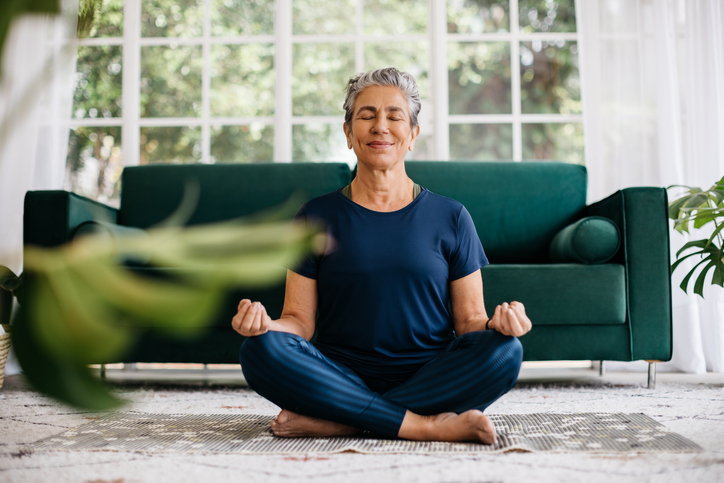
It’s part of life, but when it starts running the show, you end up tense, distracted, and completely drained. Finding ways to manage it isn’t just about feeling better in the moment; it’s about keeping your body and mind from burning out.
There’s no one-size-fits-all fix, but there are plenty of simple, realistic techniques that can help you reset. Some work best when you’re in the thick of it, while others are about building calm into your everyday routine. With a bit of consistency, these small changes can make a big difference to how you handle stress before it handles you.
Step 1: Practise deep breathing.
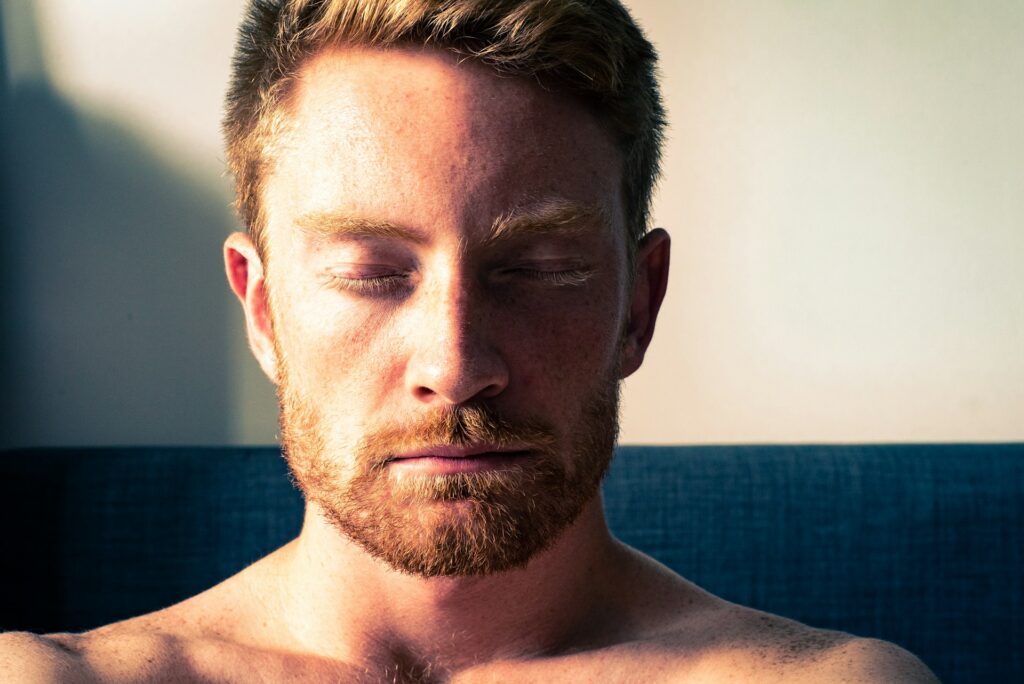
Deep breathing exercises are a simple yet powerful way to reduce stress and promote relaxation. Try diaphragmatic breathing by inhaling deeply through your nose, filling your lungs with air, and exhaling slowly through your mouth. Repeat this process several times, focusing on the sensation of your breath as it enters and leaves your body.
Step 2: Try out mindfulness meditation (and don’t give up if you’re not good at it immediately).
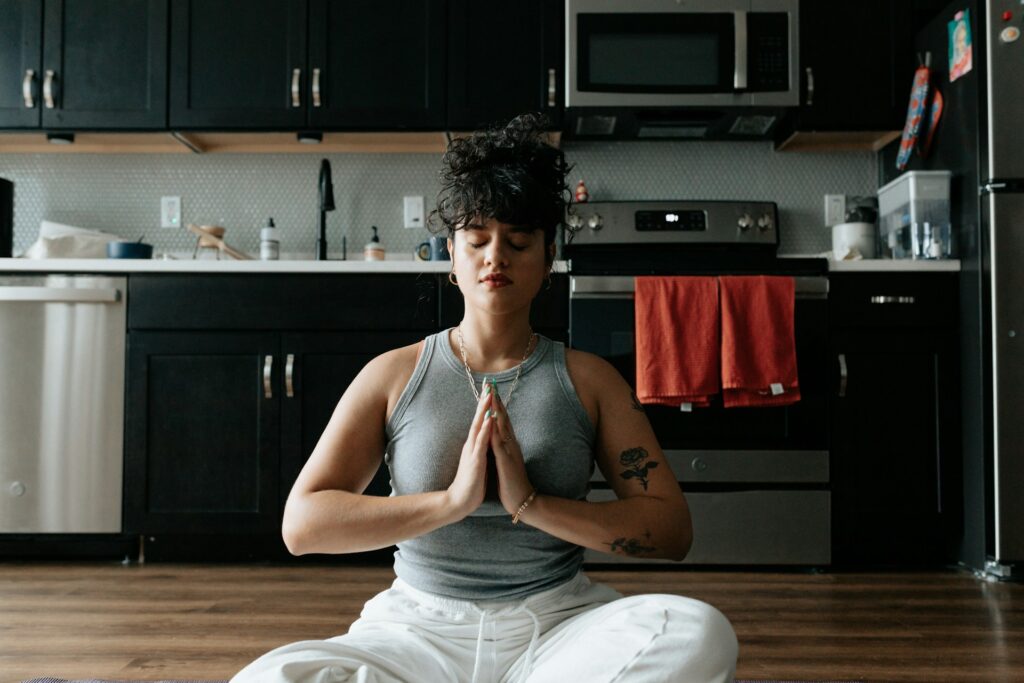
Mindfulness meditation involves bringing your attention to the present moment without judgment, allowing you to cultivate awareness and acceptance of your thoughts and feelings. Set aside time each day to practise mindfulness meditation, focusing on your breath, bodily sensations, or the sounds around you. Over time, you’ll develop greater mindfulness and resilience in the face of stress.
Step 3: Move your body.

Physical activity is a natural stress reliever, helping to release endorphins and reduce tension in the body. Incorporate regular exercise into your routine, whether it’s going for a walk, practising yoga, or hitting the gym. Find activities that you enjoy and make them a priority, knowing that movement is essential for maintaining both physical and mental health.
Step 4: Make self-care a priority.

Self-care is crucial for managing stress and maintaining balance in your life. Set aside time each day to engage in activities that nourish your body, mind, and soul, whether it’s taking a relaxing bath, reading a book, or spending time in nature. Remember that self-care is not selfish, but necessary for your overall well-being.
Step 5: Cultivate a sense of gratitude, even when things are tough.

Cultivating gratitude can shift your perspective and help you find joy in the present moment, even during challenging times. Start a gratitude journal and write down three things you’re grateful for each day, no matter how small. Practise expressing gratitude to yourself and other people regularly, fostering a sense of appreciation and contentment.
Step 6: Establish some serious boundaries.

Setting boundaries is essential for protecting your mental and emotional health and reducing stress. Learn to say no to commitments that drain your energy and prioritise activities that bring you joy and fulfilment. Communicate your boundaries clearly to other people, and advocate for your needs without guilt or apology.
Step 7: Get some support from people you trust.

Don’t be afraid to reach out for support when you’re feeling overwhelmed by stress. Whether it’s talking to a trusted friend or family member, seeking guidance from a therapist or counsellor, or joining a support group, know that you’re not alone. Sharing your feelings and experiences with other people can provide comfort and validation.
Step 8: Practise progressive muscle relaxation.
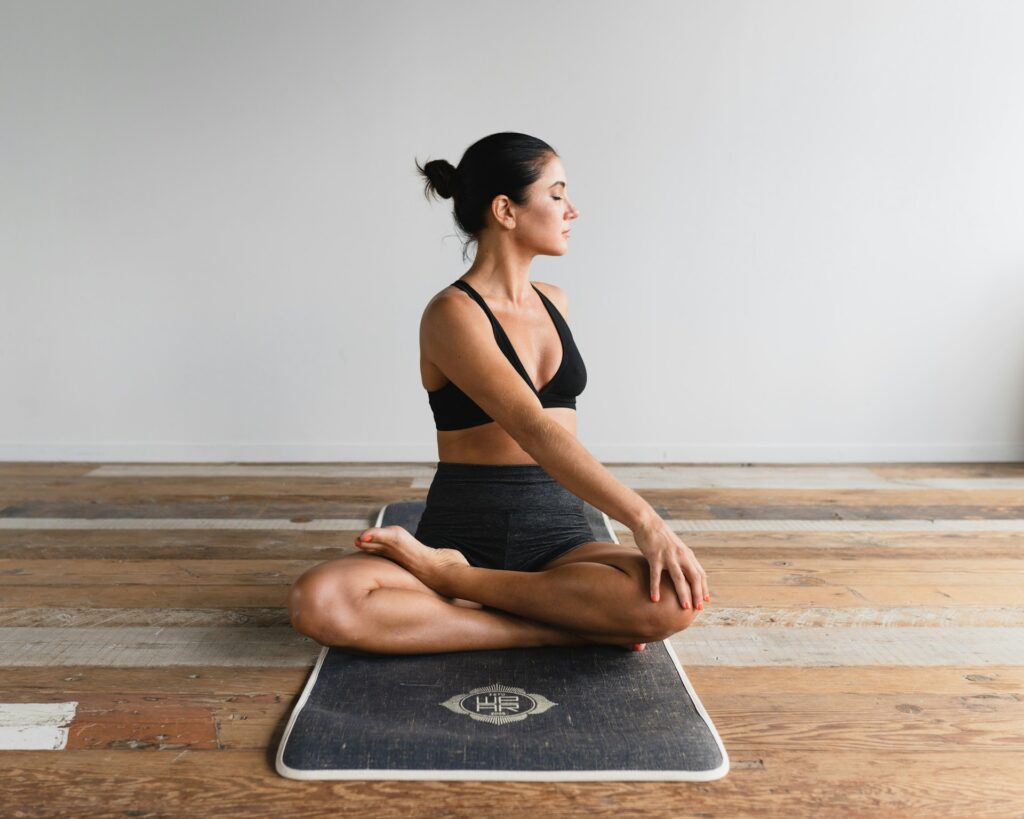
Progressive muscle relaxation is a relaxation technique that involves tensing and releasing different muscle groups in your body to reduce physical tension and promote relaxation. Start by tensing the muscles in your feet and slowly working your way up to your head, focusing on each muscle group for a few seconds before releasing the tension. Notice the difference in how your body feels as you let go of tension and relax deeply.
Incorporating these stress-busting techniques into your daily routine can help you cultivate a calmer mind and body, leading to greater resilience and overall well-being. By practising deep breathing, engaging in mindfulness meditation, moving your body, prioritising self-care, cultivating gratitude, establishing boundaries, seeking support, and practising progressive muscle relaxation, you can effectively manage stress and find inner peace amidst life’s challenges.