It’s wild how fast the line between “normal” and “absolutely not” can move.
Things that used to be everyday occurrences would now spark outrage, lawsuits, or a thousand angry comments online. Whether it’s outdated parenting methods, questionable workplace habits, or stuff you’d spot in an old sitcom, these things were once just… how it was. However, times change, and in a lot of cases, thank goodness. Here are some things people never used to bat an eye at, but would never fly today.
1. Smoking indoors, literally everywhere

Not long ago, people smoked on planes, in pubs, in offices—basically wherever they felt like it. You could be mid-meal in a restaurant while someone puffed away two tables over, and no one batted an eye. Now, lighting up indoors feels like something from a documentary on the 1970s. Public health campaigns and changing norms have pushed it out of almost every indoor space. And let’s be honest, our lungs are probably better off for it.
2. Hitting kids as discipline

Smacking, caning, or getting “the slipper” wasn’t just tolerated, it was encouraged in schools and homes. Teachers could dole out physical punishment with barely any pushback, and some parents saw it as essential to raising a “respectful” child. Today, physical discipline is far more controversial, with many countries banning it entirely in schools. The focus has shifted to emotional development, boundaries, and understanding behaviour, not fear-based control.
3. Unsupervised kids roaming for hours
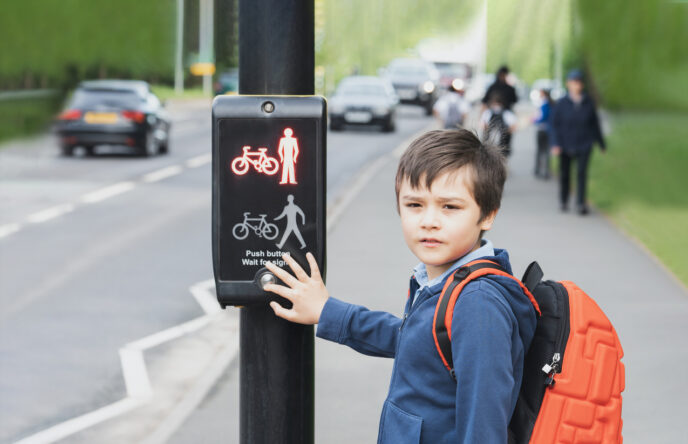
Once upon a time, kids would leave the house after breakfast and not come back until tea—no phones, no check-ins, no panic. Whether it was riding bikes across town, playing in the woods, knocking on friends’ doors, it was just how childhood worked. Now, letting kids roam like that often leads to raised eyebrows, concerned neighbours, or even calls to social services. There’s more fear around safety, but also a cultural shift toward constant supervision that didn’t exist before.
4. Casual racism and “jokes” on TV

TV shows, films, and even ads from decades ago are packed with content that would never make it past editors now. Racist caricatures, slurs, and lazy stereotypes were played for laughs and often went completely unchecked. Today, that kind of content is rightly called out, and many shows include disclaimers or have been pulled from platforms altogether. It’s a reminder that what we laugh at says a lot about who society protects, and who it mocks.
5. Bosses asking personal questions or commenting on your looks

Workplaces used to be wild. It wasn’t unusual for a manager to ask if you were single, comment on your weight, or casually mention how “nice” you looked in that skirt. And HR? Basically non-existent in many places. Now, conversations around consent, boundaries, and respect have reshaped workplace culture. There’s still a long way to go, but most employees today would know they have every right to report that kind of behaviour.
6. Leaving dogs locked in hot cars

There was a time when people thought nothing of nipping into the shops while the dog waited in the car, even in summer. No windows cracked, no water, just a furry friend slowly overheating in a parked oven. Now, this is one of the biggest public pet peeves. Posters, PSAs, and full-blown rescues are common. Animal welfare has come a long way, and people are far quicker to step in when they see it happening.
7. Putting kids in the front seat, or no car seat at all

Car safety used to be laughably casual. No booster seats, no seatbelts in the back, and toddlers riding shotgun like tiny copilots. If you had a seatbelt at all, half the time it was stuck under your arm. Now, there are strict rules for child restraints and seat placements. And rightly so because we know more about crash safety than ever, and it turns out small humans really do need more protection than the glovebox offers.
8. Commenting on someone’s weight like it’s polite conversation

“You’ve lost weight!” used to be the go-to compliment, while gaining weight was considered fair game for jokes or concern. It didn’t matter if you were at a party, in a meeting, or just minding your own business. These days, body image awareness and mental health conversations have changed how we talk about appearance, at least in many circles. Weight is now more recognised as complex, personal, and not an open invitation for feedback.
9. Drinking and driving with a “one or two is fine” mindset

Driving after a drink or two was once seen as a bit cheeky but acceptable. People even joked about being “just over the limit,” as if it was a badge of honour or a sign of confidence behind the wheel. Today, the attitude is far less casual. With tougher laws, more awareness, and ride-share apps, drunk driving has gone from slightly dodgy to completely unacceptable in most places.
10. Making fun of mental illness

Calling someone “crazy,” “a nutter,” or mocking therapy was once part of everyday banter. Mental health wasn’t taken seriously, and the idea of seeing a therapist was often met with judgment or eye-rolls. Now, thankfully, mental health is recognised as crucial. While stigma hasn’t disappeared, it’s no longer acceptable to treat mental illness like a punchline, and many are finally learning how to talk about it with care.
11. Teachers humiliating kids as punishment

From making kids stand in corners to publicly reading out low grades, humiliation was once a standard discipline method in classrooms. It was all about authority and control, not emotional safety. Modern education has moved toward supportive learning environments where respect is mutual. The idea that shame helps kids learn has been widely debunked, and replaced with a more compassionate approach.
12. Parents ignoring consent when it came to kids’ bodies

Being told to hug that relative, sit on someone’s lap, or stay silent when uncomfortable was common. Kids were often expected to comply with adult requests without question, even when it felt wrong. Now, there’s a growing understanding that teaching kids bodily autonomy early is crucial. “They don’t have to hug if they don’t want to” is a far cry from how many of us were raised, but it’s a change for the better.
13. Throwing everything in the bin, no recycling
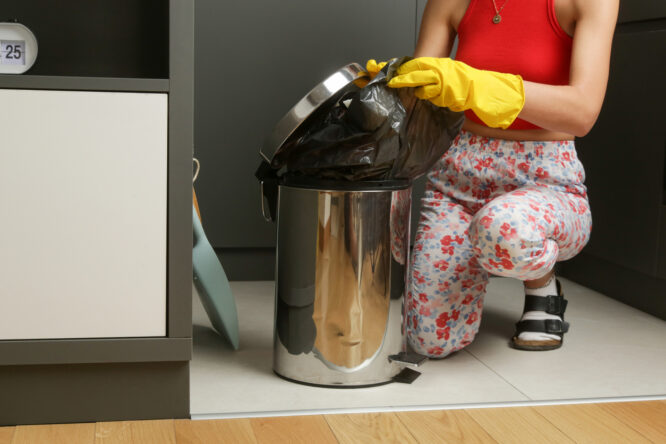
Decades ago, recycling barely existed. Everything—cans, glass, paper, batteries—went into one bin and off to landfill without a second thought. The idea of sorting rubbish seemed overly complicated or unnecessary. Today, even small flats have separate bins, compost caddies, and soft plastic drop-offs. Environmental awareness has changed household habits massively, and while we’re not perfect, the days of chucking everything in the same bag are (mostly) behind us.