You’ve probably seen those brightly coloured cans everywhere and wondered what all the fuss is about, but earlier this month, the UK government announced they’re planning to ban the sale of energy drinks to anyone under 16. It’s not some random knee-jerk reaction either, it’s because the evidence about what these drinks are actually doing to kids is pretty shocking.
They contain absolutely massive amounts of caffeine.
Most people don’t realise just how much caffeine is crammed into these things. Energy drinks typically contain between 80 mg and 200 mg of caffeine per serving, with some larger ones containing as much as double the amount found in an average mug of coffee. That might not sound like much until you realise that a 14-year-old drinking a Monster Energy is basically having the same caffeine hit as an adult downing two cups of strong coffee.
The problem is that kids’ bodies are way smaller than adults, so that same amount of caffeine hits them much harder. The American Academy of Pediatrics recommends that children between 12 and 18 shouldn’t have more than 100 mg of caffeine per day, but most energy drinks contain that much or more in a single can.
Kids are consuming them at alarming rates.
The numbers are genuinely worrying when you look at how many children are drinking these things regularly. Research shows that up to one-third of children aged 13 to 16, and nearly a quarter of those aged 11 to 12, consume one or more high-caffeine energy drinks each week. Even more concerning, about 4% of children aged 11 to 15 consume at least one energy drink every single day, which represents over 100,000 children.
Think about that for a second, we’re talking about 11-year-olds having a daily caffeine hit that would make some adults feel jittery. These aren’t teenagers making informed choices, these are primary school kids who probably don’t even understand what caffeine is or what it’s doing to their bodies.
They’re causing serious sleep problems.
One of the biggest issues teachers and parents report is that kids who drink energy drinks can’t sleep properly. Caffeine can cause sleep issues, especially if consumed later in the day, and in children the effects can include irritability, insomnia, and nervousness. When you’re talking about developing brains that need proper rest to function, this becomes a really serious problem.
The knock-on effect is massive because tired kids can’t concentrate in school, they’re more likely to have emotional outbursts, and they end up in this vicious cycle where they feel they need more caffeine to get through the day. It’s basically setting them up for a lifetime of poor sleep habits and caffeine dependence.
They’re wreaking havoc with kids’ hearts.
The cardiovascular effects are probably the scariest part of all this. Research has shown that energy drinks can disrupt normal heart function, with people experiencing elevated blood pressure and abnormal electrical activity in the heart for hours afterward. The high can include side effects such as increases in heart rate and blood pressure, jitters and insomnia, quickly followed by a crash.
What’s particularly worrying is that emergency room visits related to caffeine overdose more than doubled for middle school children from 2017 to 2023. We’re literally seeing kids ending up in hospital because they’ve had too much caffeine, which is absolutely mental when you think about it.
They’re packed with sugar and have zero nutritional value.
Energy drinks aren’t just caffeine bombs, they’re also sugar bombs. Research has found that these drinks have little to no nutritional benefit, and in addition to being high in caffeine, they can contain high levels of sugar, which is linked with obesity and dental decay. Some products contain over 20 teaspoons of sugar and are highly acidic.
So kids are basically drinking liquid candy that’s been spiked with a drug, getting a massive sugar rush followed by a caffeine crash, and wondering why they feel terrible afterward. Meanwhile, their teeth are getting absolutely hammered by all that acid and sugar.
They’re creating caffeine dependency in children.
This is where it gets really grim because we’re talking about actual addiction here. Depending on the frequency with which adolescents consume energy drinks, they can develop a dependence on that high. You can become physically and psychologically dependent on caffeine, and cutting back could result in headaches, heartburn, or lack of energy.
Picture this: an 11-year-old who can’t get through a school day without a can of Monster because they’ve become physically dependent on caffeine. That’s not normal, and it’s setting them up for a lifetime of needing stimulants just to function normally.
They’re particularly dangerous when mixed with other substances.
The risks get even worse when energy drinks are combined with other things. One area of special concern is the use of energy drinks among children with ADHD who are already taking other stimulants. Caffeine can alter the way bodies absorb and eliminate certain medications, and combining caffeinated beverages with ADHD medications means you’re adding a stimulant to a stimulant.
Even more worrying is when teenagers mix energy drinks with alcohol, which is apparently becoming quite common. The use of energy drinks among children and adolescents is problematic, especially when combined with alcohol, and this is considered by many teenagers to be a primary route to socialising.
Teachers are reporting massive classroom problems.
The impact on education is huge, and teachers are basically dealing with kids who are either buzzing from caffeine or crashing from it. This is backed by parents, teachers, and teaching unions who report on pupils being unable to concentrate and focus, and even negatively affecting grades and academic performance. Teachers quoted in government documents said they see first-hand the damage energy drinks do to students, from poor focus in class to poor nutrition and overall wellbeing.
Imagine trying to teach a classroom where half the kids are jittery from caffeine, while the other half are crashing and can barely keep their eyes open. It’s no wonder academic performance suffers when kids’ attention spans are being messed about by these drinks.
They’re causing anxiety and mental health problems.
The psychological effects are just as serious as the physical ones. Evidence suggests that consuming high-caffeine energy drinks is associated with increased frequency of headaches, irritation, tiredness, and increased risk of emotional difficulties such as stress. Consuming energy drinks may trigger symptoms that include restlessness, shaking hands, stomach aches, headaches, and nervousness.
We’re basically giving kids a substance that makes them anxious, restless, and emotionally unstable, then wondering why teenage mental health is in crisis. The timing couldn’t be worse because adolescence is already a time when mental health is fragile.
Emergency rooms are seeing more and more poisoning cases.
The medical evidence is getting scary now. In the U.S., from 2022 to 2023, there was a 24.2% increase in cases of paediatric exposure to energy drinks for kids and teens, with 78% of these being unintentional exposures where kids didn’t realise they were consuming energy drinks or how much caffeine they were drinking. In 2011, 1,499 adolescents aged 12-17 went to the emergency room for an energy-drink-related emergency.
Think about that, kids are literally being poisoned by these drinks in numbers significant enough that hospitals are tracking it as a trend. That’s not a normal consumer product, that’s a dangerous substance that shouldn’t be easily accessible to children.
The marketing specifically targets young people.
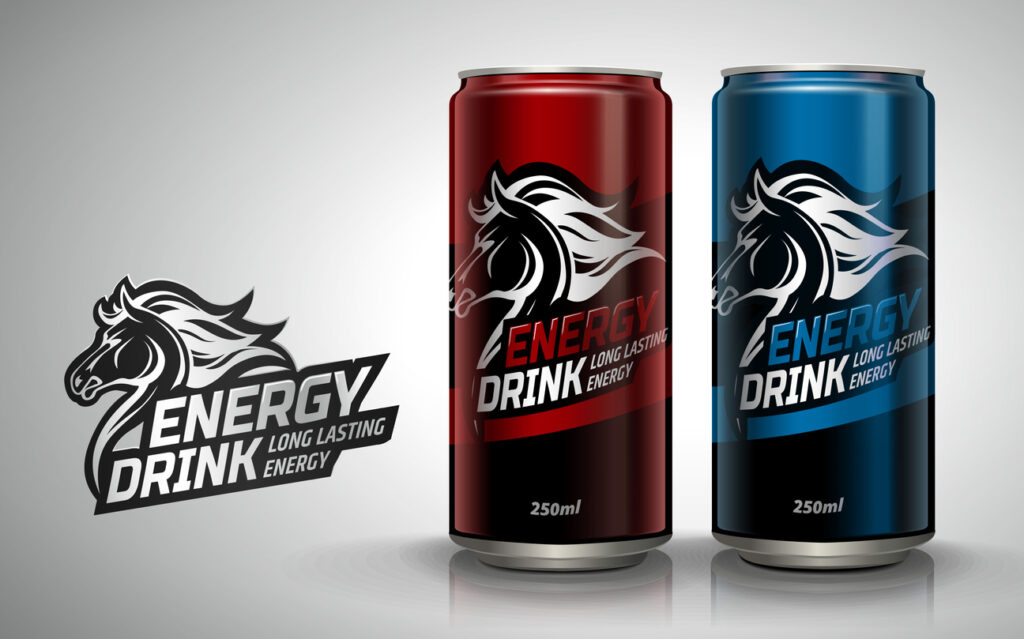
The really cynical part is that these companies know exactly what they’re doing. Colourful packaging, candy-like flavourings, widespread availability and targeted marketing may have contributed to the recent trend, with many brands sponsoring beloved sports teams or partnering with TikTok and YouTube influencers. The whole industry is built around making these drinks seem cool and appealing to kids.
They’re using the same tactics that tobacco companies used for decades, making a harmful product seem attractive to young people who don’t fully understand the risks. The fact that they put warning labels saying “not recommended for children” while simultaneously marketing to children tells you everything you need to know.
Children from deprived areas are being disproportionately affected.
There’s also a social justice angle here that makes the whole thing even more grim. Evidence shows that children from more deprived communities are more likely to consume these products, further contributing to health inequalities across the country. So the kids who are already facing the biggest challenges in life are also the ones being hit hardest by these health problems.
This isn’t just about individual choice, it’s about companies targeting vulnerable communities with products that are going to make existing health inequalities even worse. It’s basically predatory marketing dressed up as consumer choice.
Most schools don’t even have policies about them.
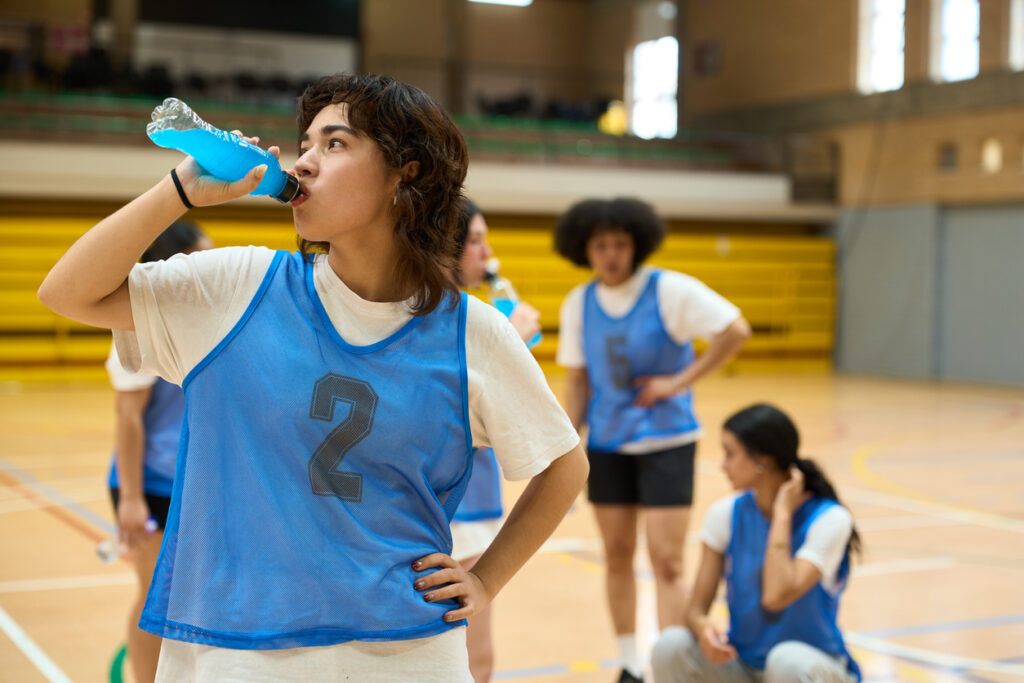
What’s mental is that these drinks are often available in schools themselves. Nationwide, 75% of school districts do not have a policy about highly caffeinated drinks for sale at schools, and the drinks may be in high school vending machines, school stores, or in the cafeteria. Most schools don’t have a policy on energy drinks or caffeine at all.
So we’re basically allowing kids to buy these things at school, then wondering why they can’t concentrate in lessons or are having behavioural problems. It’s like selling cigarettes in the school shop, then being surprised when kids develop health problems.
Other countries have already banned them with great results.
The UK isn’t pioneering this, loads of other countries have already worked out that selling stimulant drugs to children is a bad idea. Many countries already have bans, such as Poland (under 18 since January 2024), Estonia (under 18 since January 2024), Latvia (under 18 since 2016) and Lithuania (under 18 since 2014), with Norway implementing a ban for under-16s in January 2026.
The fact that the UK is actually quite late to the party on this shows just how normalised these drinks have become here. We’ve somehow allowed a situation where it’s completely normal for primary school kids to be consuming industrial-strength caffeine, and we’re only just waking up to how dangerous that actually is.
So when you see the headlines about the government banning energy drinks for under-16s, remember it’s not some nanny state overreach. It’s a response to mounting evidence that we’ve allowed companies to hook children on a potentially dangerous substance, and the health consequences are getting serious enough that hospitals, schools, and parents are all demanding action.