Everyone knows drinking water is important, but it’s easy to assume dehydration only shows up when you’re really thirsty. In reality, your body drops little hints long before you notice the obvious signs. Here are twelve hidden symptoms that mean you might not be drinking enough.
You feel tired for no clear reason.
Dragging yourself through the day even after a decent night’s sleep can sometimes be blamed on low hydration. When your body doesn’t have enough water, your cells need to work harder, and this drains your energy in sneaky ways.
Adding more water to your day helps your system run smoothly. With better hydration, your energy is steadier, so you’re less likely to crash in the afternoon or feel like you need constant caffeine just to stay awake.
Your skin looks dull or loses its glow.
Dehydration doesn’t just make you feel off, it shows on your skin. When you’re not drinking enough, your complexion can look tired, dry, and less elastic, which often makes fine lines or rough patches more noticeable.
Regular hydration helps your skin hold onto moisture naturally. While water isn’t a miracle beauty fix, keeping topped up gives your complexion a fresher, healthier look that no cream can fully replace on its own.
You’re dealing with more headaches lately.
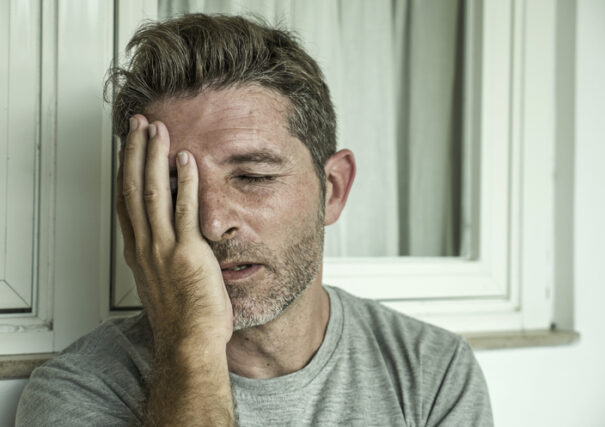
Frequent headaches are often linked to not drinking enough water. Without adequate fluid, your brain can contract slightly within the skull, triggering discomfort and making concentration harder than it should be.
Before reaching for painkillers, try a glass of water and see if the pain eases. Mild dehydration is a common culprit for headaches, and restoring fluid balance can sometimes relieve them surprisingly quickly.
Your mouth feels sticky or dry.
A dry mouth is one of the most obvious but overlooked signs of dehydration. With less water in your system, saliva production slows, leaving your mouth uncomfortable and making speaking or eating less pleasant.
Drinking enough water throughout the day helps restore saliva flow. It keeps your mouth fresh, protects against bacteria build up, and makes everyday activities like chewing and swallowing much more comfortable.
You find yourself in a worse mood.
It’s not only your body that feels the strain of dehydration. Your mood can take a hit too, with irritability, anxiety, or general grumpiness creeping in when you’re not properly hydrated.
A few glasses of water won’t solve every bad day, but it can smooth out emotional highs and lows. Keeping hydrated supports clearer thinking and helps your brain regulate how you feel more evenly.
Your digestion slows right down.

When you don’t drink enough, your digestive system feels the effects. Food moves more slowly, stools can harden, and constipation often follows because your gut doesn’t have the fluid it needs to keep things moving.
Staying hydrated is one of the simplest ways to support comfortable digestion. Water softens food, helps nutrients absorb properly, and keeps everything flowing as it should, leaving you lighter and less sluggish after meals.
Your joints feel stiff or achy.
Joint discomfort is sometimes linked to dehydration because cartilage needs fluid to cushion movement. When hydration is low, your joints can feel stiff, making even simple movements more uncomfortable than they should be.
Making water part of your routine helps keep joints lubricated. While it won’t solve every ache, it creates the right foundation so your body can move more freely and recover faster from everyday strain.
You struggle to focus properly.
Brain fog often sneaks in when you’re not hydrated enough. Even mild dehydration can reduce concentration, slow reaction times, and make it harder to remember details, leaving you frustrated without knowing why.
Keeping your water levels steady gives your brain the fuel it needs to perform. Regular sipping throughout the day can mean sharper focus and less of that cloudy, distracted feeling that makes tasks drag on.
You crave sugar more often.

Sometimes those mid-afternoon cravings aren’t about hunger at all. Dehydration can confuse your body into sending signals for food, especially sugar because it mistakes low fluid levels for low energy.
Next time a craving hits, try drinking water first. If the urge eases, it was your body asking for hydration, not sweets, and you’ll find it easier to resist unnecessary snacks.
Your urine is darker than it should be.
One of the simplest ways to check hydration is by looking at urine colour. When you’re dehydrated, it’s often darker yellow, which signals your body is retaining fluid rather than flushing waste efficiently.
Aiming for pale yellow shows you’re hydrated properly. It’s a quick visual cue that helps you stay on track without complicated tracking or guesswork.
You feel dizzy when you stand up.

That lightheaded feeling when you get up suddenly can be a sign of dehydration. Low fluid levels reduce blood volume and circulation, which makes it harder for your body to adjust quickly.
Drinking enough water helps stabilise blood pressure and reduces dizzy spells. It’s a small but important part of keeping your circulation steady and your body balanced throughout the day.
You’re thirsty more often than not.
Thirst might sound like the most obvious sign, but by the time you feel it strongly, your body is already behind on hydration. Relying on thirst alone means you’re always playing catch up.
The solution is to drink consistently rather than waiting until you’re desperate. Keeping water within reach and sipping regularly makes it easier to stay ahead of dehydration without effort.