Some UK driving laws are so unusual that most people don’t realise they exist until they get fined for them.

Most drivers assume they know the rules well enough to stay out of trouble, but Britain has a whole collection of odd little laws that catch people off guard. They’re not the big headline ones everybody talks about, but the slightly strange regulations that exist in the background until, one day, you accidentally break one and end up paying for it.
These rules are easy to miss because nobody mentions them during driving lessons, and most people only hear about them when they’ve already been caught on the wrong side of the law. A bit of awareness goes a long way, though. Once you know what to watch out for, you can avoid those pointless penalties that come from nothing more than not being told in the first place.
1. Using your phone at traffic lights still counts as driving.

Many drivers think it’s fine to check their phone while they’re stopped at lights or sitting in traffic. The law sees this differently because the engine is still on, and you’re still responsible for the vehicle. Even a quick glance or a short scroll can count as using a device while driving, which can lead to a fine and points on your licence. It catches people out because it feels like a harmless moment, but the rule is very strict.
The safest approach is keeping your phone fully out of your hands until the car is parked, and the engine is off. If you need directions, make sure your device is mounted properly before you start the journey. This keeps you safe and avoids the risk of a penalty for something that takes only seconds.
2. Splashing pedestrians with puddles can be treated as careless driving.

Most people don’t realise that driving through a deep puddle at speed and soaking someone can be an offence. It falls under driving without reasonable consideration, which means your actions caused inconvenience or distress to another person. Even if it was an accident, the law can still see it as careless because a driver is expected to slow down when water is on the road.
The simple way to avoid this problem is to lower your speed when passing puddles, especially in busy areas. It protects people walking nearby and stops you from being held responsible for something that could have been avoided with a bit more care.
3. Dogs hanging out of windows can lead to a fine.

Letting a dog stick its head out of the window may look cute, although it can be seen as driving without proper control. An unsecured pet can distract you or move suddenly, which may cause an accident. If the police believe your pet is affecting your driving, you can be fined even if nothing actually went wrong.
The safer option is to use a proper harness or carrier, so your pet is secure. It stops them from jumping around the car and keeps you focused on the road. It also keeps them safe if you have to brake suddenly.
4. Snow on your roof must be cleared before driving.

Many drivers scrape their windscreen but leave the snow piled on top of the car. This can be a problem because snow can fall onto the windscreen while driving or blow into the path of another vehicle. Both situations can be seen as dangerous and can lead to a fine for not preparing your vehicle correctly.
Taking an extra minute to clear the roof makes your journey safer and avoids a potential penalty. It also stops snow from blocking your own view when you accelerate or brake, which makes winter driving much calmer.
5. Warning other drivers about speed cameras can get you in trouble.

Flashing your headlights to warn someone about a speed camera feels like doing them a favour. The law sees it in another way because it counts as interfering with police work. You might mean well, although you can still be fined for it.
The easiest solution is to avoid using signals for this purpose altogether. Keeping your headlights for standard communication makes your intentions clear and keeps you on the safe side of the law.
6. Using your horn at the wrong time can lead to a fine.

People often use their horn when they’re frustrated or want to get someone’s attention. The law only allows you to use it to warn other road users of danger. Using it between 11.30pm and 7.00am in a built-up area can also be an offence unless it’s an emergency.
The best approach is to use your horn only when there is a safety reason. It keeps noise levels down for people living nearby and prevents you from being fined for something that felt harmless in the moment.
7. Driving too slowly can be seen as careless.

Many people worry about speeding, although driving too slowly can also be a problem. If you hold up traffic for no clear reason or create a hazard by moving well under the limit, it can count as careless driving. This surprises drivers because they think slower is always safer.
The key is to keep a steady speed that matches the conditions. Staying alert to the flow of traffic reduces the chance of becoming an obstacle and keeps the road safer for everyone.
8. Not wearing your prescription glasses counts as an offence.

If your licence states that you need glasses or contact lenses to drive, then driving without them is treated as driving with poor vision. This can lead to a fine or more serious consequences if an accident happens. Many people forget this when they make short journeys.
Keeping a spare pair of glasses in the car helps you avoid this issue. It’s an easy way to stay safe and meet the legal requirements without stress.
9. Supervising a learner driver while using your phone is illegal.
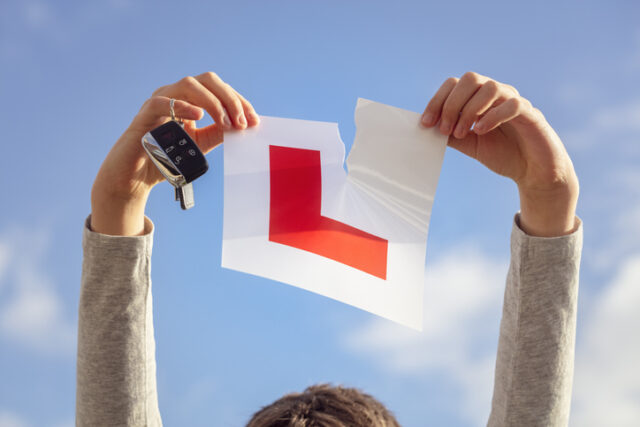
People often think that because they’re not the one driving, they can use their phone freely. The law treats the supervising adult as being responsible for the vehicle. Using a handheld device while supervising a learner is seen as the same offence as using it while driving.
The simple answer is to stay fully focused when supervising someone. It keeps the learner safe and prevents you from facing a penalty for something that is easy to avoid.
10. A blocked windscreen view can lead to penalties.

Something as small as a badly placed sat nav or phone mount can get you into trouble. If it blocks your view, even slightly, the police can say your vehicle isn’t in a safe condition to drive. Many people don’t realise how strict this rule is until they’re stopped.
Keeping the dashboard clear and placing devices lower on the windscreen helps avoid this issue. It gives you a full view of the road and keeps your setup within the rules.
11. Letting your engine run while parked can be an offence.

Leaving your engine running while parked, especially outside schools or in built-up areas, can lead to a fine. This rule exists to reduce pollution and cut down unnecessary noise. Many drivers have been caught by this because it feels harmless to sit idling for a few minutes.
Switching the engine off when you’re waiting is the easiest way to stay on the right side of the law. It saves fuel and keeps the air cleaner for people nearby.
12. Driving with a dangerously dirty number plate can get you fined.

If your number plate is covered in dirt or snow so it can’t be read, you can be fined. Many drivers don’t realise how quickly a plate gets dirty during winter. The law requires your number plate to be clear at all times so it can be identified.
Checking your plates before you set off takes only a moment and saves you from an unnecessary fine. It also helps cameras and other drivers identify your car correctly.
13. Letting your car run out of fuel on the motorway can be classed as careless driving.

Running out of fuel on a motorway causes danger to you and other drivers. Because of this, it can be treated as careless driving if it leads to a breakdown in a risky location. It’s more common than people think, and often happens through simple forgetfulness.
Keeping an eye on your fuel gauge and planning stops early helps avoid this problem. It keeps you safe and prevents you from being fined for something that is easy to prevent with a bit of attention.