If you’ve ever had the misfortune of sitting in the A&E waiting room for 12+ hours, you know how overwhelmed the NHS truly is.
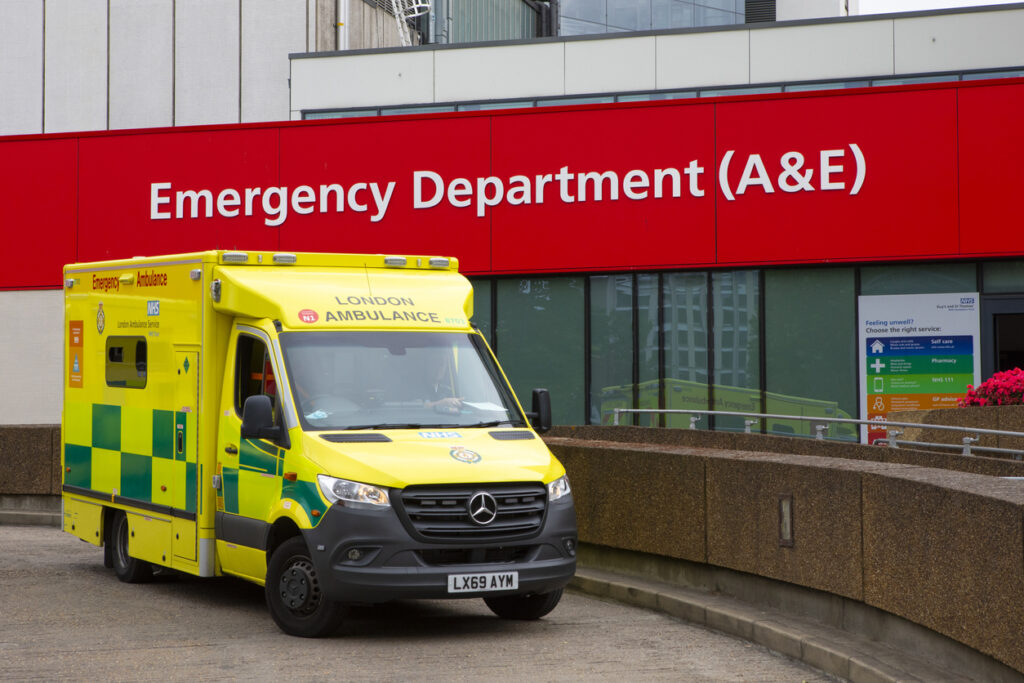
A&E departments are stretched to the limit, that much is clear, and a big part of the pressure comes from injuries that could have been avoided. They’re not freak accidents, just everyday mishaps that are all too common and, with a bit of care and common sense, didn’t need to happen at all. While genuine emergencies should always be treated in hospital, these are some of the more common preventable occurrences that send people to the waiting room.
1. Slips and trips at home

Falling over loose rugs, wet floors, or cluttered walkways is one of the top reasons people end up in A&E. What feels like a minor tumble often leads to sprains, fractures, or even head injuries that need urgent care.
You’ll lower the risk by keeping walkways clear and mopping up spills quickly. Simple steps like securing rugs and using good lighting can stop these avoidable accidents from turning into hospital visits.
2. DIY mishaps

Power tools, ladders, and sharp objects send thousands to A&E every year. People often dive into home projects without proper preparation, leading to cuts, falls, or worse. Overconfidence can quickly turn into a painful injury.
You’ll stay safer by taking time to prepare properly. Wearing protective gear, using ladders sensibly, and not rushing jobs keeps DIY from ending in an avoidable emergency trip.
3. Kitchen accidents

Burns from hot pans, knives slipping, or spilling boiling water are everyday causes of A&E visits. Cooking quickly or while distracted raises the risk of painful injuries that could easily be prevented with a bit more care.
You’ll avoid most of these accidents by slowing down and staying focused. Keeping handles turned in, using sharp knives correctly, and avoiding multitasking while cooking makes kitchens less hazardous.
4. Sports injuries

Overstretching, not warming up, or playing rough are all behind the sprains and fractures that clog up A&E. A lot of these injuries come not from the sport itself, but from skipping simple precautions beforehand.
You’ll cut down the chances by preparing properly. Warming up, using the right gear, and pacing yourself keep sport enjoyable instead of ending in unnecessary hospital treatment.
5. Alcohol-related falls

Trips, slips, and head knocks rise sharply when alcohol is involved. Judgment, balance, and coordination are all affected, which explains why A&E sees a spike in cases after nights out or heavy drinking sessions. Figures estimate that 12 to 15% of A&E visits are alcohol-related in general, but that number rises to 70% during peak times. SEVENTY PERCENT!
You’ll reduce the risk by pacing drinks and watching your footing. Planning safe transport home and sticking with friends helps too, keeping the night fun without ending it in hospital.
6. Cycling collisions

Many injuries come from cyclists not wearing helmets, riding in poor conditions, or clashing with traffic. Even minor falls can lead to nasty scrapes or broken bones when safety precautions are ignored.
You’ll make rides safer by using helmets, lights, and reflective gear. Staying alert on the road and avoiding risky shortcuts helps keep cycling a healthy choice rather than a hospital one.
7. Playground injuries
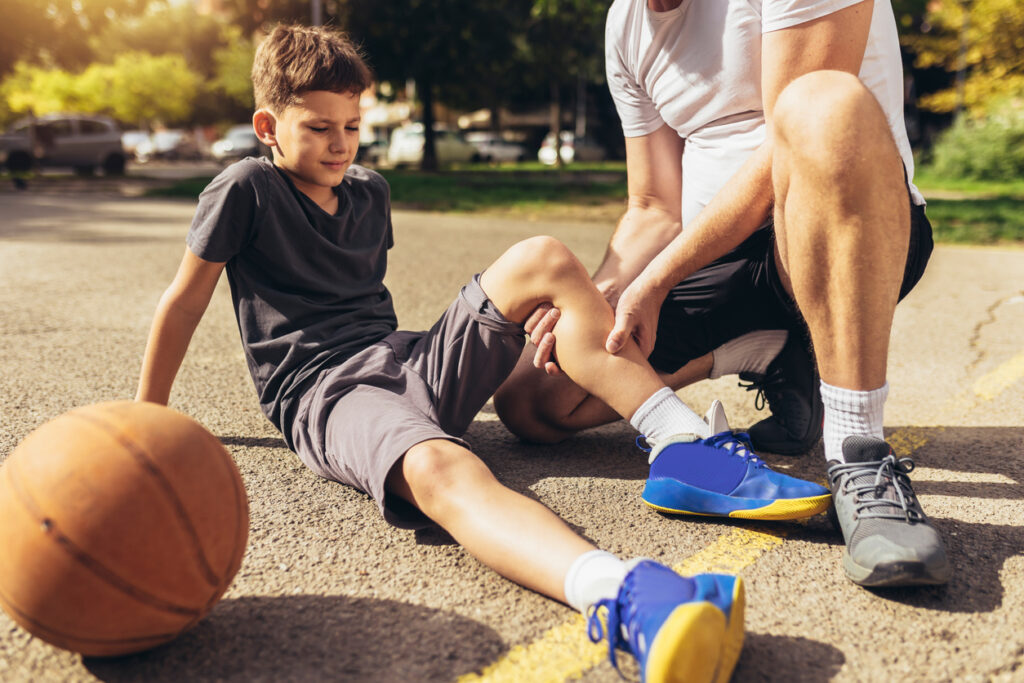
Children often end up in A&E after falls, slips, or knocks at playgrounds. While some scrapes are part of growing up, many serious injuries come from poor supervision or unsafe equipment use.
You’ll protect children better by keeping a closer eye during play. Checking equipment and reminding kids of safe play rules can prevent fun from turning into an avoidable emergency visit.
8. Worksite accidents

Even with health and safety rules, building sites and warehouses still send people to A&E. Rushed jobs, ignored procedures, or lack of protective gear cause preventable injuries that disrupt both workers and services.
You’ll see fewer accidents when safety checks are taken seriously. Wearing the right gear and following clear protocols isn’t overkill. It’s what keeps employees out of hospital beds.
9. Burn injuries from everyday items
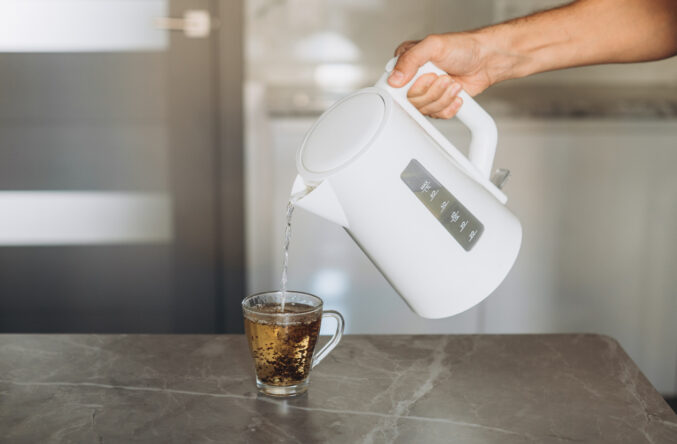
It’s not just kitchens; hot irons, hair straighteners, and kettles often cause burns that require A&E treatment. Many happen when people rush or leave hot appliances where children can reach them.
You’ll reduce risks by slowing down and storing appliances safely. Unplugging after use and keeping hot objects out of reach prevents painful, entirely avoidable burns.
10. Cuts from broken glass

Dropped glasses or smashed bottles lead to nasty cuts that often need stitching. People underestimate how deep glass cuts can be, and ignoring safety when cleaning up makes injuries worse.
You’ll avoid this by handling breakages carefully. Wearing gloves or using tools to pick up shards keeps you safe and prevents a quick tidy-up from becoming an A&E visit.
11. Misused garden tools
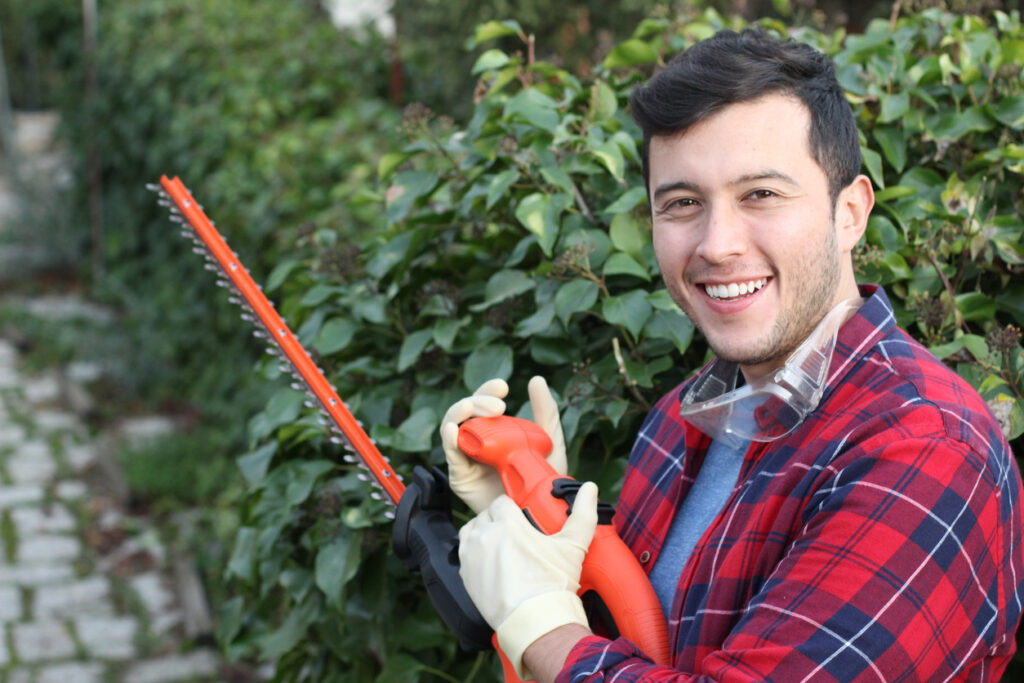
Lawnmowers, strimmers, and secateurs might look harmless, but they’re behind plenty of injuries. Using them without care or while distracted leads to deep cuts, sprains, or worse, all of which are easily preventable.
You’ll keep gardening safe by taking your time and wearing protective gear. Staying focused instead of rushing through chores makes outdoor work far less risky.
12. Falls down stairs

Stair-related accidents are a daily cause of hospital trips. Carrying too much at once, poor lighting, or running up and down quickly all raise the chances of a fall that results in broken bones or head injuries.
You’ll prevent this by slowing your pace and keeping stairs clear. Holding onto rails and avoiding clutter makes staircases less of a hazard in everyday life.
13. Overexertion injuries

Lifting heavy items incorrectly or pushing your body too far often leads to sprains, back strain, or pulled muscles. These injuries are completely avoidable with a little more care and better technique.
You’ll stay safer by asking for help with heavy loads or using proper lifting methods. Knowing your limits and pacing yourself keeps everyday tasks from landing you in A&E.