“Doctor Who” has always existed somewhere between imagination and possibility.
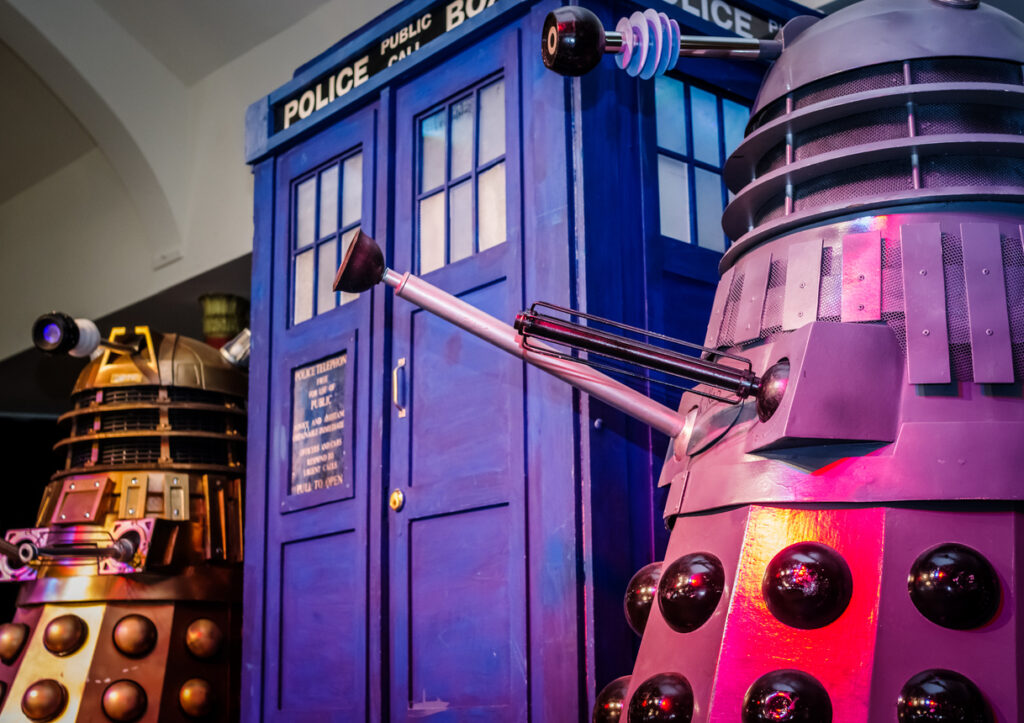
Over the decades, scientists and engineers have quietly borrowed ideas from the show’s most outrageous storylines, from teleportation and time travel to regeneration and artificial intelligence. Some of these ideas have even helped shape real research. Here are ten examples of genuine science that’s been influenced, mirrored, or unexpectedly predicted by the Doctor’s adventures through space and time.
1. The TARDIS and the mystery of “bigger on the inside”
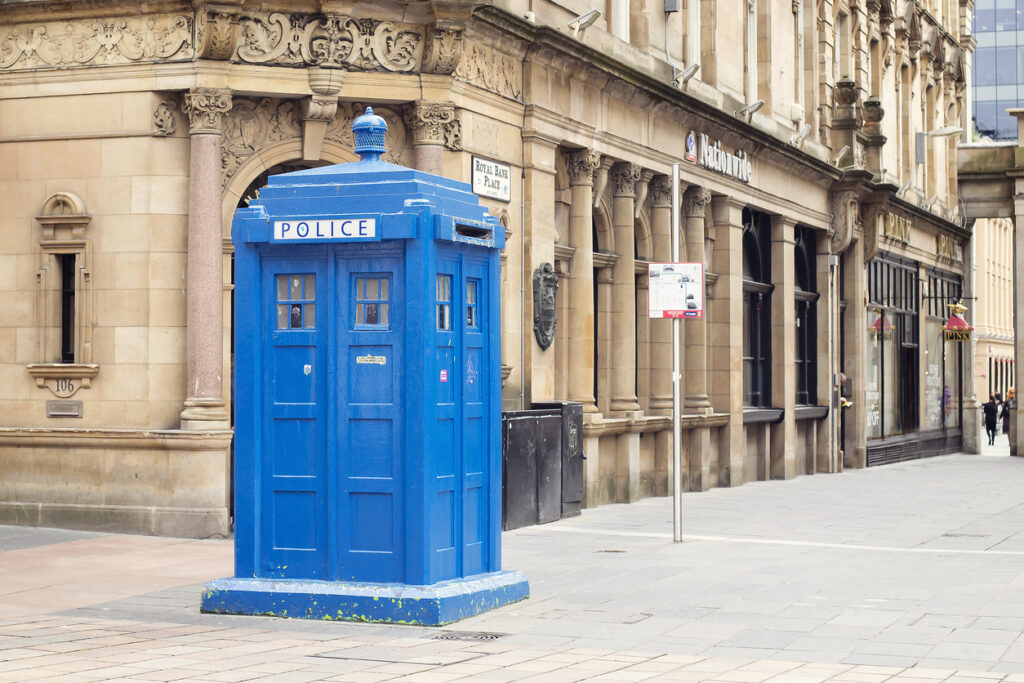
The Doctor’s famous time machine looks small from the outside, yet it somehow contains entire rooms, corridors, and control decks within. That idea has fascinated physicists who study higher dimensions and the structure of space. While we can’t bend reality the way the TARDIS does, scientists are exploring how matter and energy behave in confined spaces. From compact data storage to quantum physics, the idea of fitting more inside less is becoming surprisingly real.
2. Regeneration and real-world cell renewal
The Doctor’s ability to transform into a new body has long captured the imagination of biologists. Regeneration in nature is already a fact, as creatures like starfish, axolotls, and flatworms can regrow lost body parts.
In laboratories, stem cell research and tissue engineering are pushing those same boundaries. Scientists are working on regenerating damaged organs and growing healthy tissue to replace what’s lost — not as dramatic as the Doctor’s glow and burst of energy, but still remarkable progress.
3. Sonic tools and sound-based technology
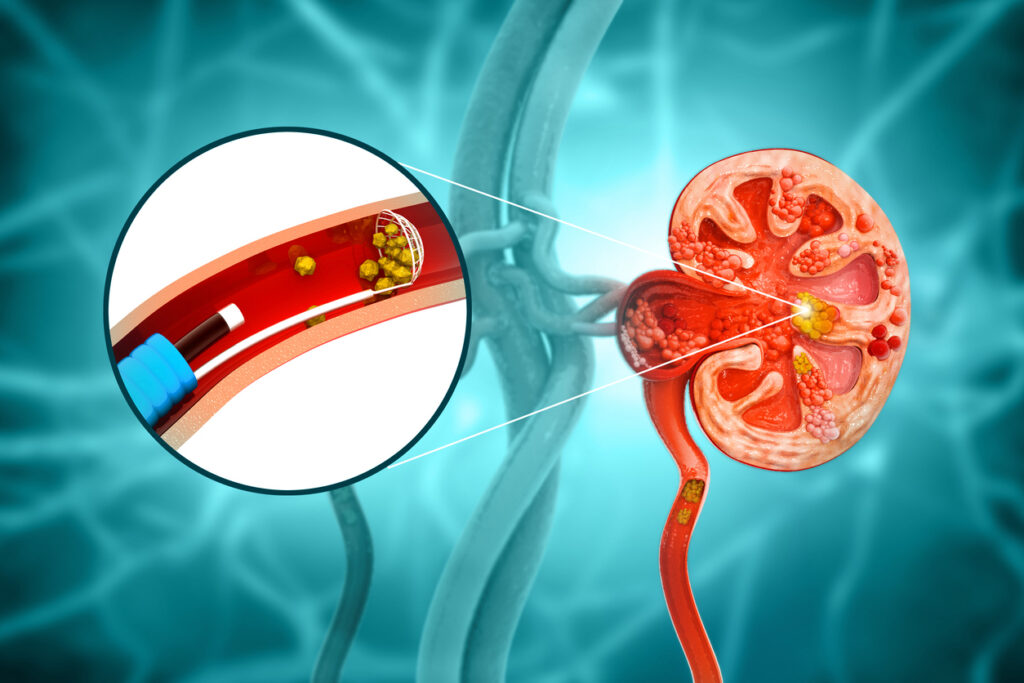
The sonic screwdriver can fix electronics, unlock doors, and even heal injuries. Although no such tool exists, researchers are using sound waves for medical and engineering breakthroughs. Ultrasound treatments can already shatter kidney stones and guide delicate surgeries. Scientists are even developing “sonic tweezers” that move tiny objects using nothing but sound vibrations, echoing the Doctor’s famous gadget more closely than you’d think.
4. Learning machines and the logic of the Daleks

The Daleks may be villains, but their self-improving intelligence mirrors how modern AI systems work. They learn, adapt, and refine their strategies through each encounter, just as machine learning algorithms improve over time. Today’s AI programs don’t dream of conquest, but the same principles apply. Systems that learn through repetition are reshaping everything from translation software to robotics, much like the relentless Daleks evolving with every defeat.
5. Cloaking and the science of invisibility

Invisible spaceships and cloaked creatures have appeared throughout “Doctor Who,” and modern research has taken that concept seriously. Scientists are experimenting with “metamaterials,” which can bend light around an object to make it harder to see. Early tests have successfully hidden small items from certain viewing angles. We’re a long way from invisible ships, but the groundwork for optical camouflage is already being laid in labs around the world.
6. Time travel and wormhole theory

While the Doctor’s time-hopping adventures remain fiction, the scientific theories behind them are not entirely fantasy. Physicists studying Einstein’s equations have proposed wormholes and curved spacetime as possible routes for travelling between distant points, or even moments in time. Some theories suggest it could be possible under extreme conditions involving energy levels far beyond what we can create. For now, time travel belongs to stories, but the maths behind it keeps scientists curious.
7. Communication with alien life

“Doctor Who” often skips the language barrier entirely, with humans and aliens chatting freely. Real scientists, however, are working on how such communication might actually work. Projects like SETI have drawn inspiration from science fiction in designing messages that could be understood universally. It’s not about translating English into alien languages, but finding patterns and mathematics that any intelligent species could recognise.
8. Cybernetic humans and robotics

The Cybermen were once terrifying fantasy, but the idea of blending human and machine has become everyday science. Advances in prosthetics, neural implants, and bioengineering have blurred the line between technology and biology. Modern prosthetic limbs can respond to brain signals, while scientists are creating artificial organs that keep people alive. What once seemed monstrous now represents some of the most compassionate uses of technology.
9. Parallel worlds and quantum theory
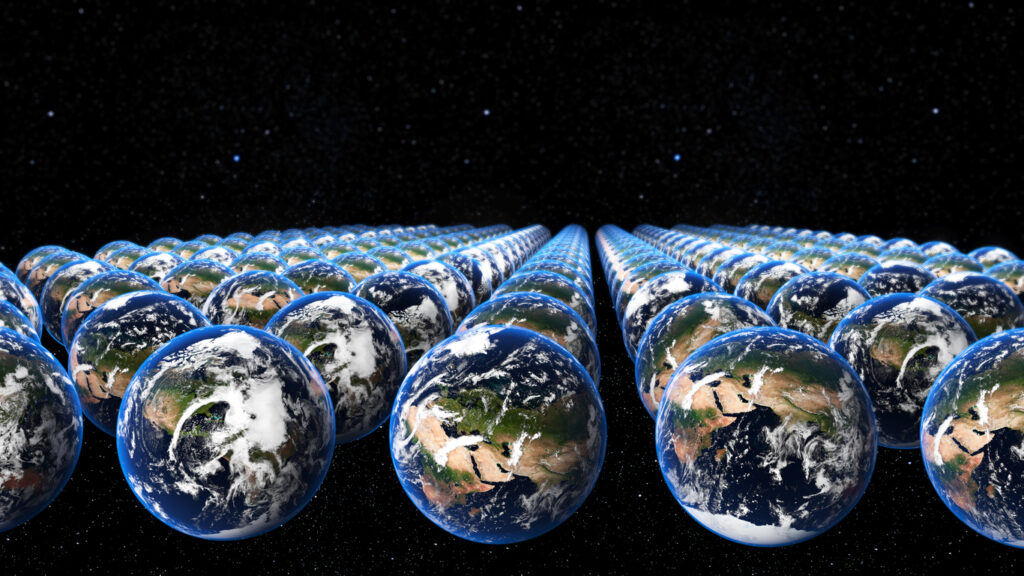
The Doctor’s trips to alternate universes mirror a theory many physicists still debate. The “many worlds” idea suggests that each decision creates a new branch of reality where different outcomes play out. We can’t step between these worlds, but the concept helps scientists interpret the strange behaviour of particles at the quantum level. It’s a reminder that sometimes fiction and physics aren’t as far apart as they seem.
10. Planetary defence and real cosmic threats
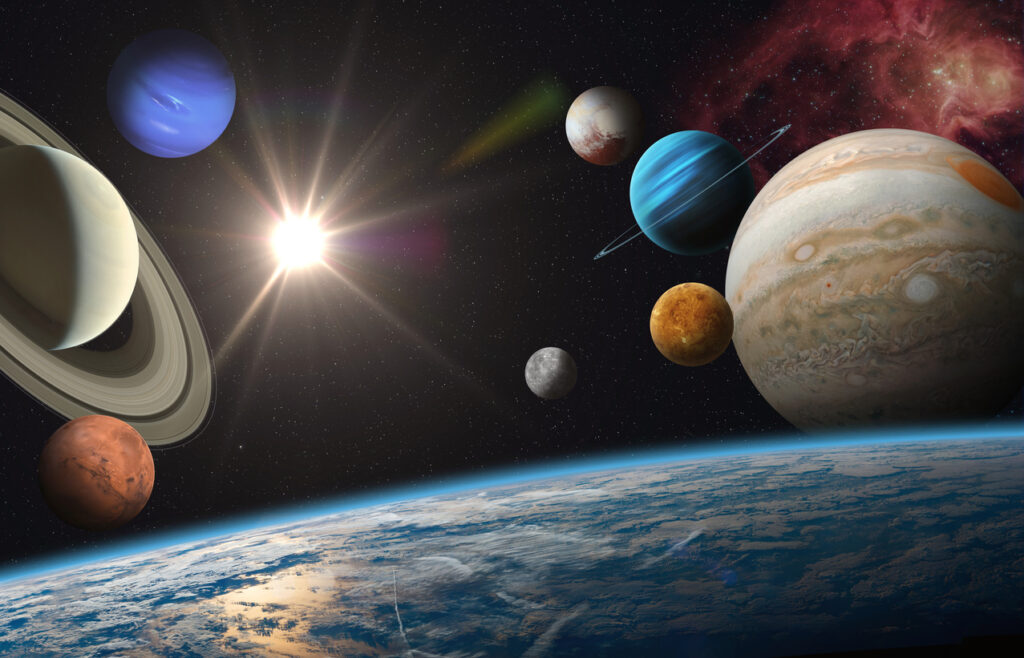
Earth might not face Daleks or alien invasions, but planetary defence has become serious business. Space agencies around the world now monitor asteroids, solar flares, and space debris that could threaten life on Earth. From tracking near-Earth objects to testing asteroid deflection missions, these efforts echo the Doctor’s mission to protect the planet — though with telescopes and data instead of a sonic screwdriver.