Generally speaking, food takes anywhere between six and eight hours to digest fully, but that’s not a hard and fast rule.
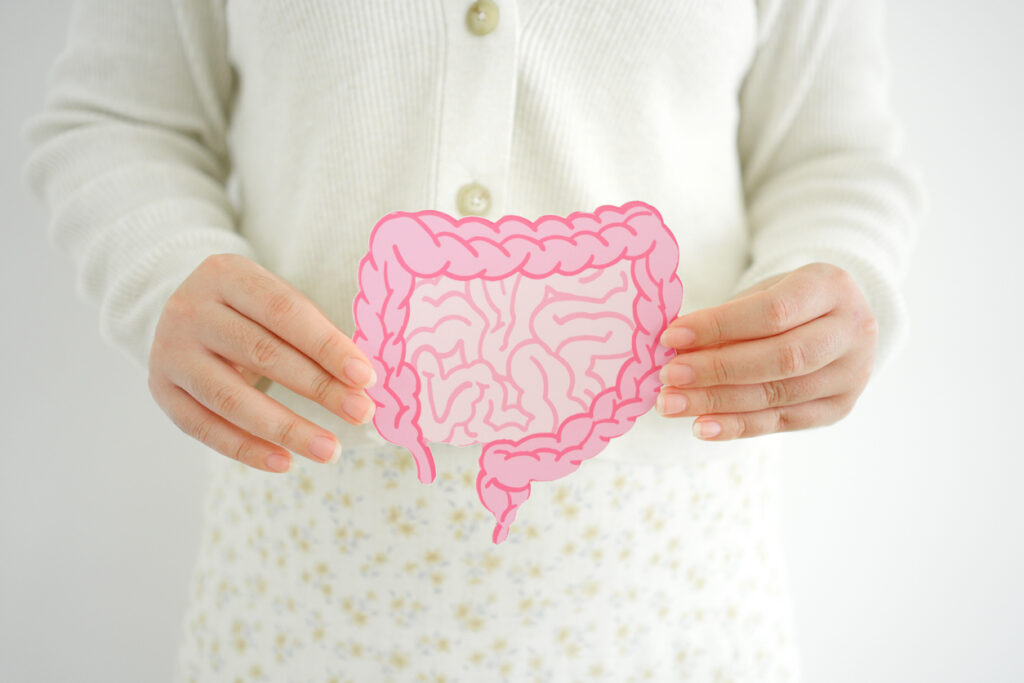
There are certain foods that break down pretty quickly, leaving us feeling light (and a bit hungry) Some foods move through your digestive system like they’re on a leisurely holiday, taking their sweet time to explore every twist and turn, while you’re left wondering why you still feel full from lunch at dinnertime. Here are some of the worst offenders.
1. Red meat takes forever to break down.
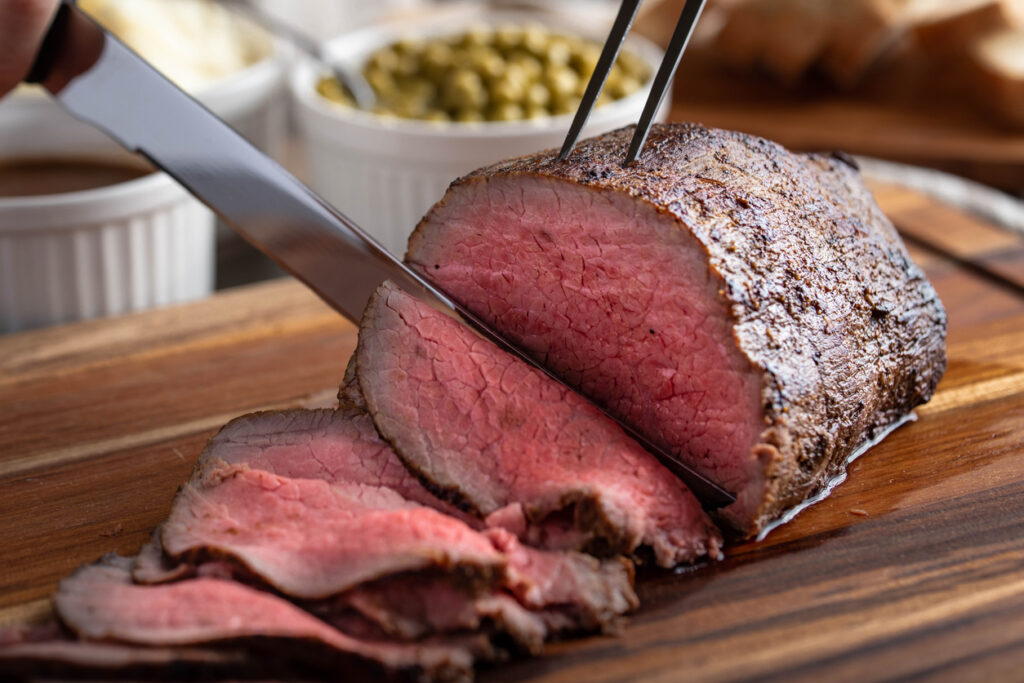
That juicy steak you had for dinner can hang around in your digestive system for up to 72 hours because your body has to work overtime to break down all those complex proteins and fats. Red meat is basically the houseguest that overstays their welcome, requiring tons of digestive enzymes and stomach acid to even begin the breakdown process.
Your stomach has to churn and grind for hours just to get red meat into small enough pieces for your intestines to handle, and then your liver has to produce extra bile to deal with all the fat. By the time your body finally processes everything, that steak has been camping out in your gut for days, which is why you might feel heavy and sluggish long after eating it.
2. Processed cheese products are basically digestive quicksand.
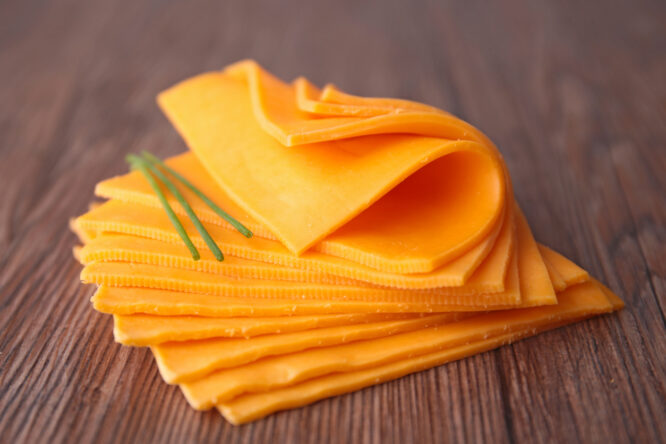
Those individually wrapped cheese slices and processed cheese spreads contain so many artificial ingredients, preservatives, and weird chemical compounds that your digestive system doesn’t even know what to do with them. Your gut bacteria look at processed cheese like it’s some alien substance that doesn’t belong in a human body.
The artificial emulsifiers and stabilisers in processed cheese can slow down digestion and mess with your gut’s natural rhythm, making everything move through your system at a crawl. Real cheese might be hard to digest, but at least your body recognises it as actual food instead of some science experiment that’s pretending to be dairy.
3. Fried foods turn your stomach into a lazy river.
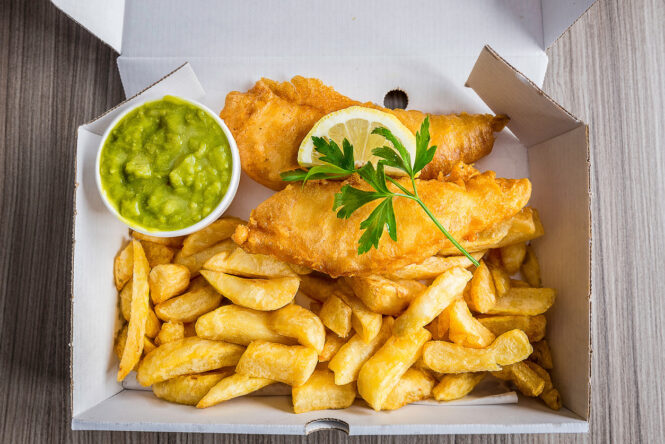
Deep-fried anything basically coats your digestive system in a layer of grease that makes everything else slow down to a crawl, like trying to walk through knee-deep mud. Your stomach has to produce extra acid and enzymes to cut through all that oil, which can take hours longer than normal digestion.
The high fat content in fried foods triggers your gallbladder to release bile, but there’s often so much fat that your system gets overwhelmed and can’t process it efficiently. This is why you feel gross and bloated for hours after eating fried food, and why that basket of onion rings seems to set up permanent residence in your midsection.
4. Beans really do make you musical for a reason.
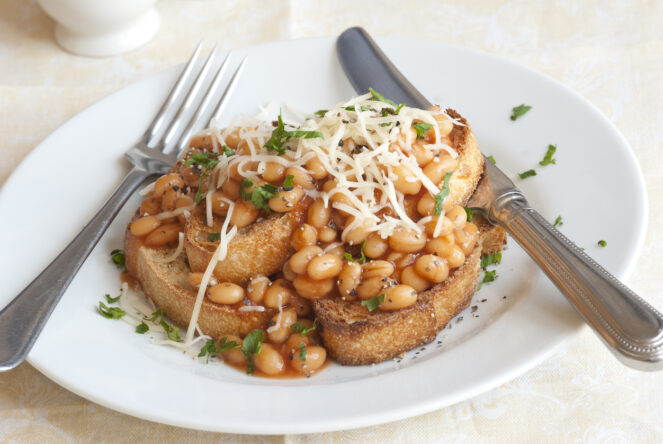
Beans contain complex sugars called oligosaccharides that your small intestine literally cannot break down, so they travel to your large intestine completely intact, where your gut bacteria throw a fermentation party that produces gas as a byproduct. This whole process can take 24 to 48 hours, which is why beans affect you for so long.
The fibre in beans is also incredibly tough and takes a lot of mechanical and chemical work to break down, so your digestive system has to keep working on them long after you’ve forgotten you ate them. Your gut bacteria are basically having a slow-motion feast on all that indigestible matter while you deal with the consequences.
5. Nuts are tiny digestive puzzles.
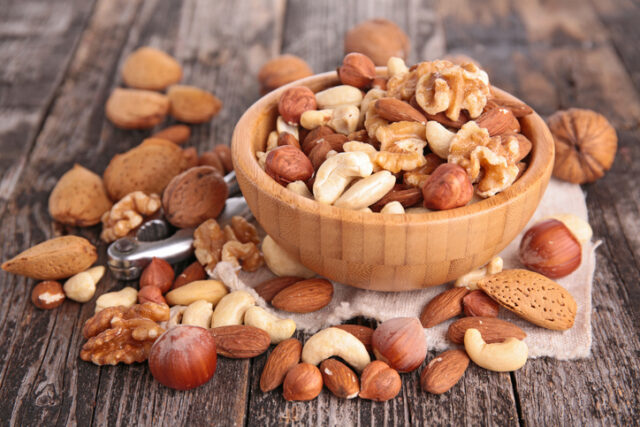
Nuts are encased in tough, fibrous shells that your teeth can’t fully break down, which means your stomach gets chunks of partially chewed nuts that take ages to process. The high fat and protein content makes them even more challenging because your body needs time to produce all the enzymes required to break them down properly.
Whole nuts can take up to 3 hours just to leave your stomach, and then your intestines have to work on them for hours more. This is why nuts are so filling and why you might still feel satisfied hours after eating just a small handful. They’re literally still hanging around, keeping you company while your digestive system slowly works through them.
6. Corn kernels are basically indestructible.
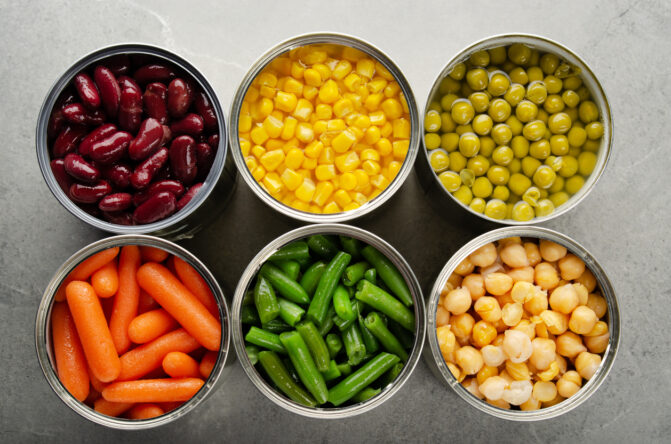
Corn has this tough outer shell called the pericarp that’s made of cellulose, which humans literally cannot digest, so corn kernels often come out looking exactly the same as when they went in. Your teeth might crack them open, but unless you chew every single kernel into powder, your digestive system is going to struggle with them.
The starch inside corn kernels takes a while to break down too, especially if the kernel shell is still intact, so corn can hang around in your digestive system for days. This is why corn shows up in your waste looking like it just went on a little sightseeing tour through your body without actually getting processed.
7. Raw vegetables are tough customers.
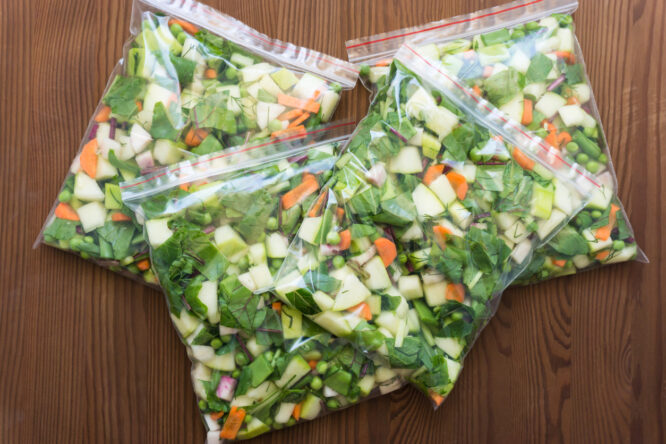
Raw carrots, celery, broccoli, and other crunchy vegetables are packed with insoluble fibre that’s basically nature’s scrub brush, and your digestive system has to work really hard to break down all those tough plant cell walls. Cooking vegetables makes them easier to digest, but when they’re raw, your gut has to do all that work itself.
The cellulose in raw vegetables is particularly challenging because humans don’t produce the enzyme cellulase that would break it down efficiently, so your gut bacteria have to do most of the heavy lifting. This process takes time and energy, which is why a big salad can leave you feeling full for hours and why raw vegetables sometimes reappear in your stool looking suspiciously similar to how they started.
8. Whole grains are slow-burn energy for a reason.
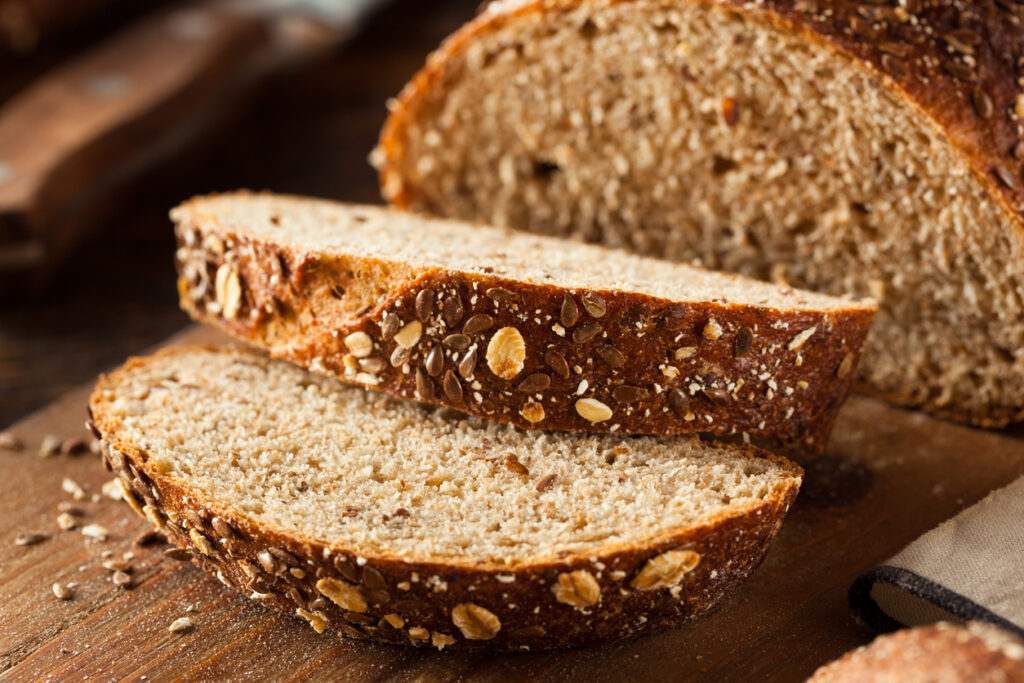
Brown rice, quinoa, and other whole grains still have their fibre-rich outer layers intact, which makes them nutritious but also means they take significantly longer to digest than their processed counterparts. Your stomach has to work overtime to break down all that fibre and get to the starchy interior.
The complex carbohydrates in whole grains require multiple enzymes working in sequence to break them down into simple sugars your body can actually use, and this process can take several hours. Whole grains give you sustained energy because they’re literally still being processed and releasing nutrients hours after you ate them.
9. Fatty fish can be surprisingly heavy.
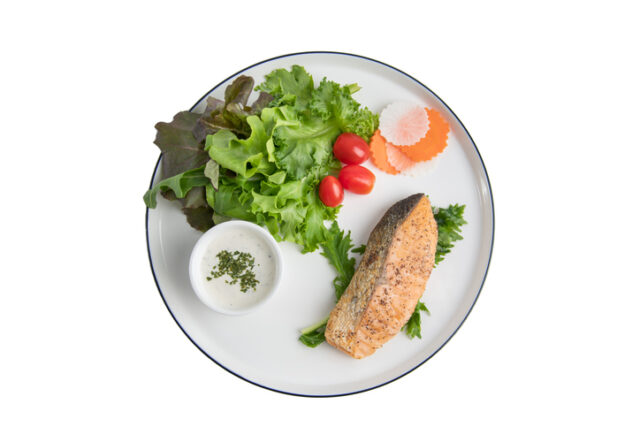
Salmon, mackerel, and other fatty fish are loaded with healthy omega-3 fatty acids, but all that fat means they take longer to digest than lean proteins like chicken breast. Your stomach has to produce extra acid and your liver has to pump out bile to emulsify all those fats before your intestines can absorb them.
The protein in fish also requires significant digestive work, and when you combine high-quality protein with high fat content, you get a meal that’s going to hang around for a while. This is why a piece of salmon can keep you satisfied for hours longer than the same amount of white fish or lean meat.
10. Mushrooms are basically little sponges of indigestible matter.
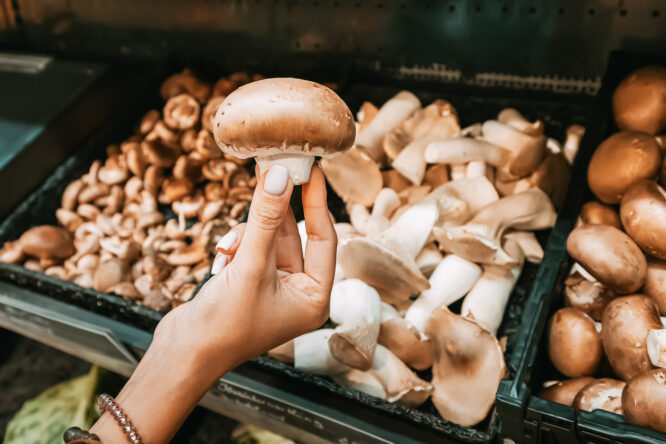
Mushrooms contain chitin, the same stuff that makes up insect exoskeletons and crab shells, which is incredibly difficult for human digestive systems to break down. Your stomach acid can make a dent in mushrooms, but a lot of the tough, chewy parts pass through your system relatively unchanged.
The high water content in mushrooms can also dilute your stomach acid, making the digestion process even slower and less efficient. This is why mushrooms often show up in stool looking recognizable, and why eating a big portion of mushrooms can make you feel full and heavy for longer than you’d expect from something that’s mostly water.
11. Dried fruits are concentrated digestive challenges
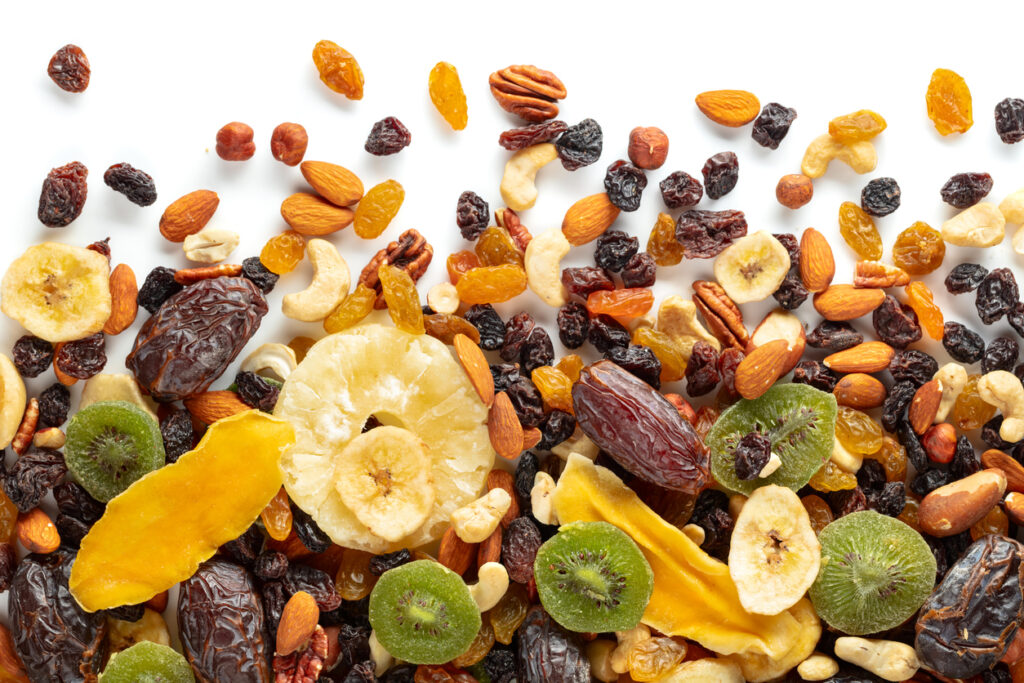
Dried fruits like raisins, dates, and dried apricots are basically concentrated versions of regular fruit, with all the fibre and natural sugars packed into dense, chewy packages that your digestive system has to work extra hard to break down. The dehydration process makes the fibre even tougher and more concentrated.
Your stomach has to rehydrate dried fruits before it can even begin to digest them properly, and then deal with all that concentrated fibre and sugar at once. This is why a small handful of dried fruit can be more filling and stick around longer than eating fresh fruit, and why too much dried fruit can cause digestive upset.
12. Seeds are designed to survive digestion.
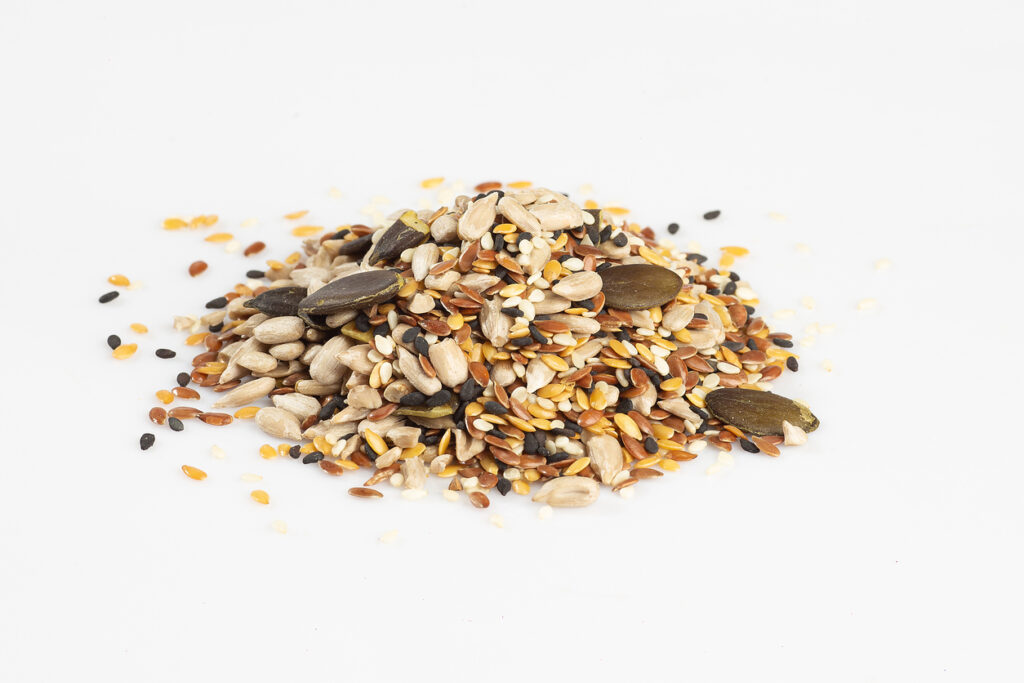
Chia seeds, flax seeds, sesame seeds, and other tiny seeds have tough outer coats that are specifically designed by nature to pass through animal digestive systems intact so they can grow into new plants. Your digestive system sees seeds as exactly what they are: things that are supposed to survive the journey through your gut.
Unless you grind seeds up before eating them, many will pass through your system completely unchanged, taking up residence in your intestines for extended periods while your body tries unsuccessfully to break them down. This is why nutrition experts often recommend grinding flax seeds and why whole seeds can show up in your stool days after you ate them, looking ready to sprout in your toilet.