If you grew up in the UK during the 1970s, a lot of everyday life felt simple and dependable in a way that barely registered at the time.
There was nothing fancy about the world back then, but what you needed was just there when you needed it. You didn’t label it or analyse it, you lived inside it. It’s only years later, usually mid-conversation with someone younger, that you realise how many of those ordinary fixtures have slipped away.
These are just some of the things ’70s kids assumed would stick around forever: small freedoms, background structures, habits that didn’t feel special until they vanished. When you look back at these things, you realise just how much of that world has disappeared, and how strange it feels to notice the gaps now.
1. Being completely unreachable for hours at a time
Once you stepped out of the house, you were genuinely gone. No mobiles, no check-ins, no tracking, and no expectation that you’d explain where you’d been later. Parents knew roughly where you might end up, but they also accepted that plans changed and children wandered.
That level of trust simply doesn’t exist in the same way today. Constant availability has become the baseline, and being unreachable is now treated as irresponsible rather than normal. What felt like freedom then would now trigger concern, messages, and probably a group chat.
2. Long days outside with no adult supervision
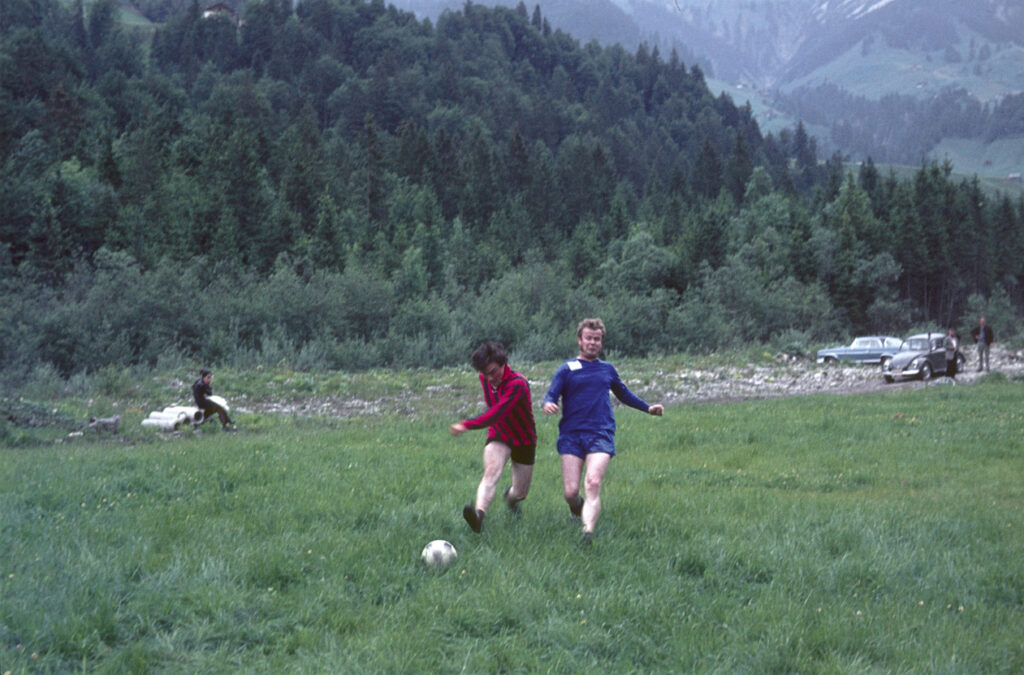
Children didn’t have “playdates”. They went outside and found other children. Streets, parks, fields, and half-finished buildings became shared spaces, and adults stayed largely out of it unless something went seriously wrong. Today’s childhood is far more managed. Adults plan, supervise, transport, and oversee most activities. The idea that children could organise themselves, solve disputes, and decide when to go home feels almost alien now.
3. Playgrounds that were genuinely risky

Playgrounds were built from metal, concrete, and hard edges. Slides burned in the sun, swings were high, and falling off something meant hitting the ground properly. No one expected them to be “safe.” Modern playgrounds are designed around injury prevention, which is understandable. But that shift has changed how children experience risk, fear, and physical confidence. In the 70s, learning your limits came through experience, not warnings.
4. Smoke being part of everyday background life
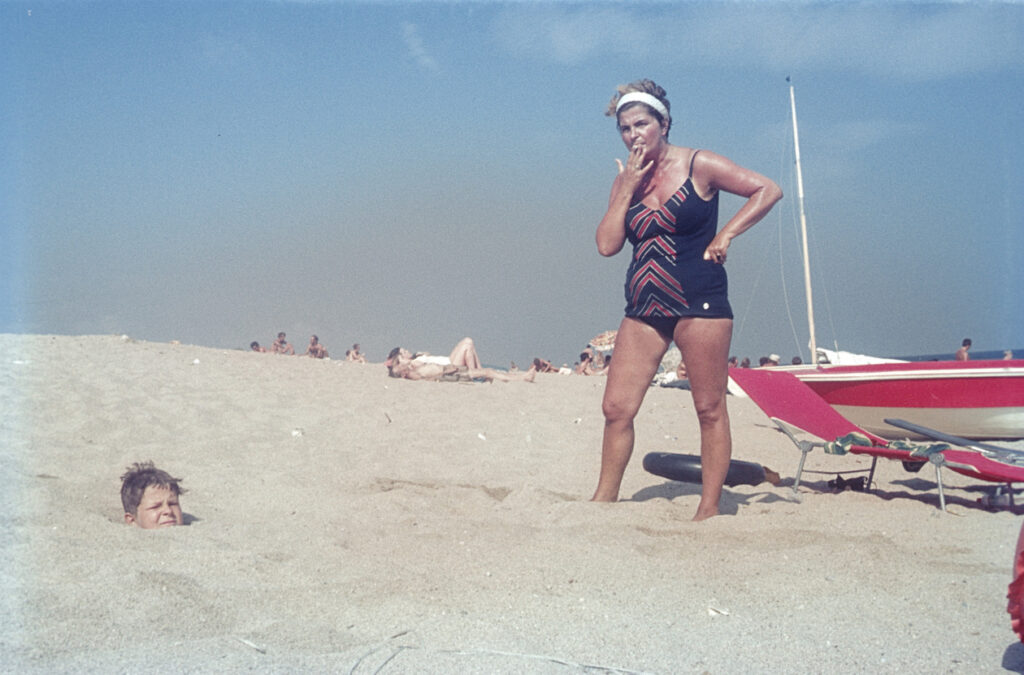
Cigarette smoke was everywhere. Homes, cars, pubs, offices, waiting rooms. Children inhaled it without comment because no one treated it as remarkable. The scale of the cultural shift since then is hard to overstate. Smoking has gone from default to restricted, and younger generations often struggle to believe just how unavoidable it once was.
5. Cash being the only way money worked
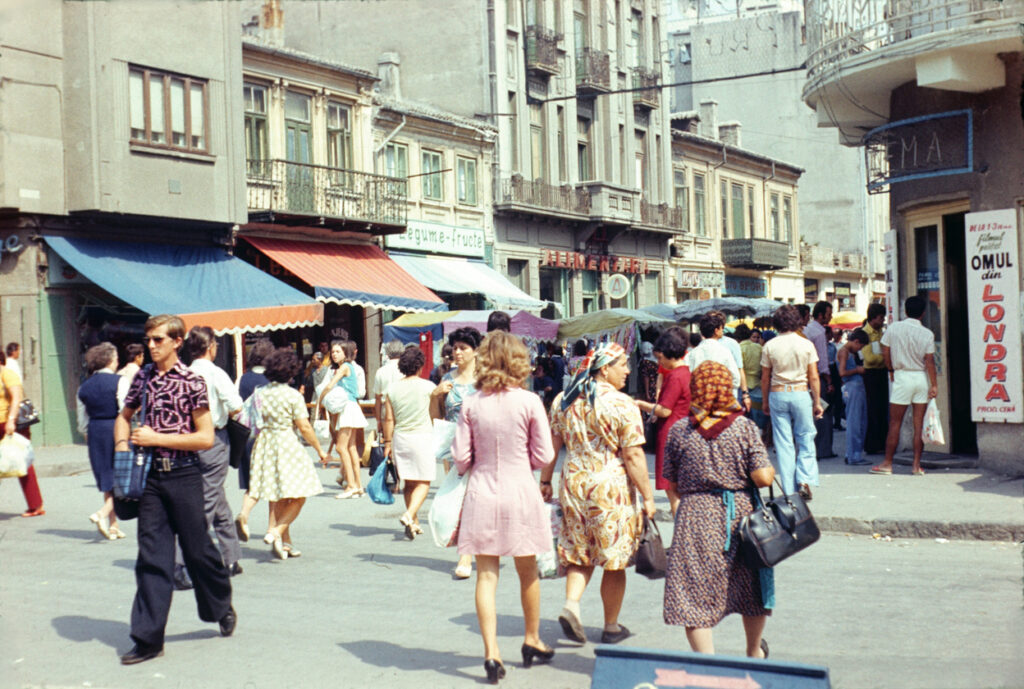
Money was physical. You counted it, handed it over, and felt the loss when it left your pocket. Children learned value through touch, not screens. Contactless payments have changed that relationship completely. Spending now feels abstract in a way it never did before, and many young people rarely handle cash at all.
6. Shops closing early and Sundays being quiet
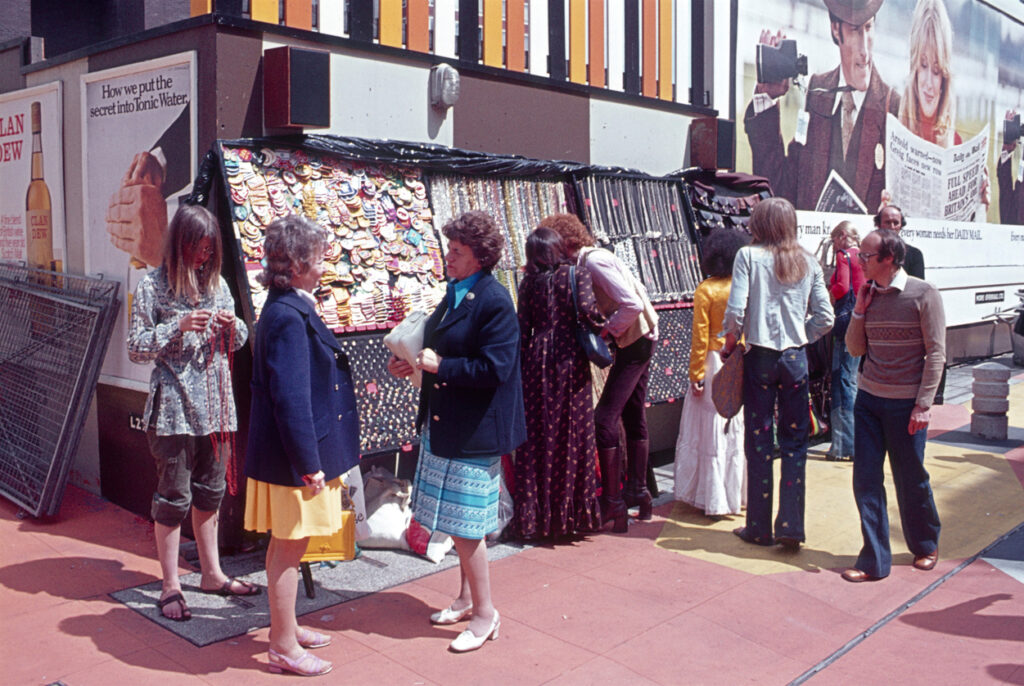
High streets shut by early evening. Sundays were deliberately slow. If you needed something and the shops were closed, you waited. That enforced pause no longer exists. Modern life runs on availability and speed, and the idea of everything stopping regularly now feels outdated rather than normal.
7. Children being sent on errands alone
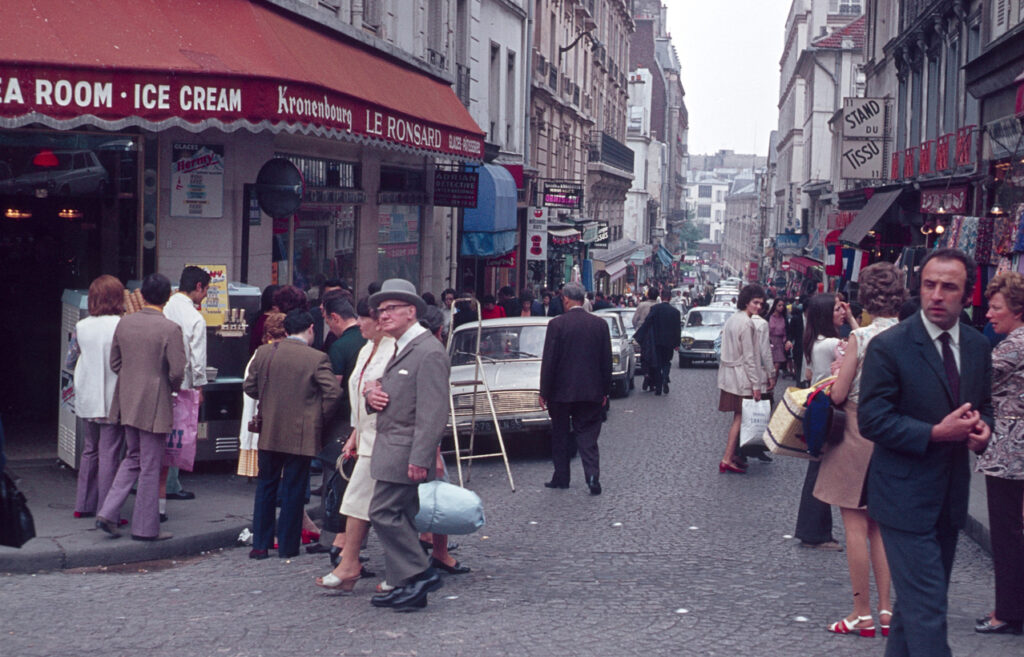
Being sent to the corner shop with a note or loose change was routine. Shopkeepers knew families, recognised children, and acted as informal guardians. Today, this practice feels unusual or even unsafe to many parents. Community familiarity has thinned, and trust in strangers has been replaced by caution.
8. Streets that felt like shared territory
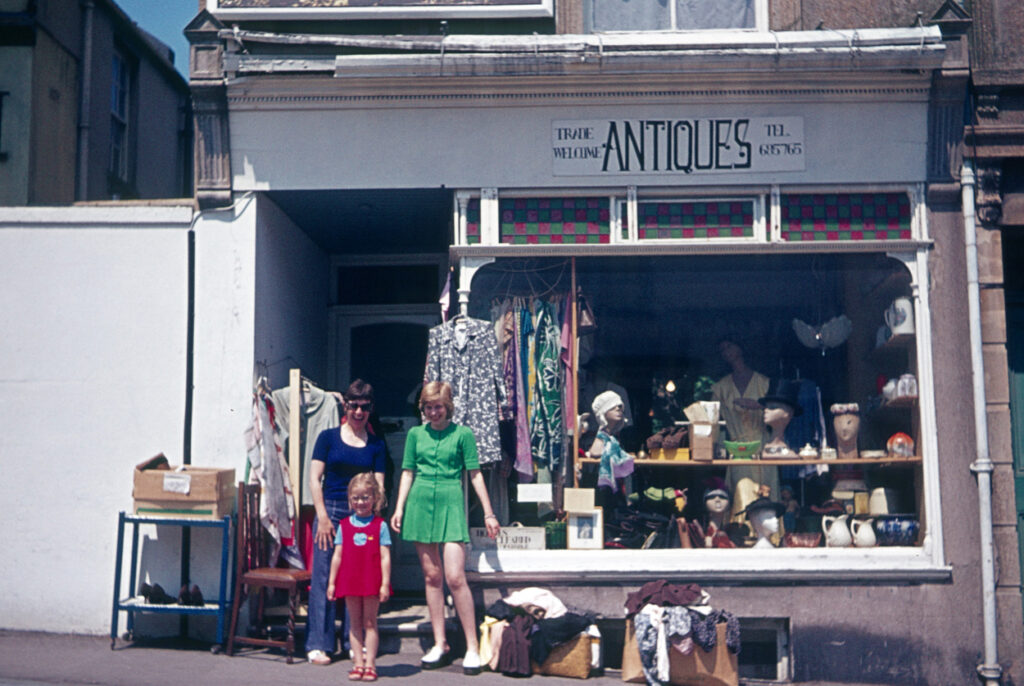
With fewer cars and slower speeds, residential streets doubled as play spaces. Children moved between houses freely without constant danger. Modern traffic density has changed how neighbourhoods function. Roads are busier, faster, and less forgiving, reshaping how children interact with outdoor space.
9. Schools with looser safeguarding and oversight

Teachers had broad authority, rules varied widely, and formal safeguarding barely existed. Discipline was firm, but accountability structures were minimal. Today’s schools operate under detailed frameworks designed to protect students. While safer, the informal flexibility of the past has largely disappeared.
10. Watching whatever was on television

With only a few channels, families watched the same programmes. Missing an episode meant missing it entirely, and conversations the next day reflected shared viewing. Streaming has replaced scarcity with endless choice. While convenient, it has diluted the shared cultural moments that once brought households together.
11. Boredom being accepted as normal
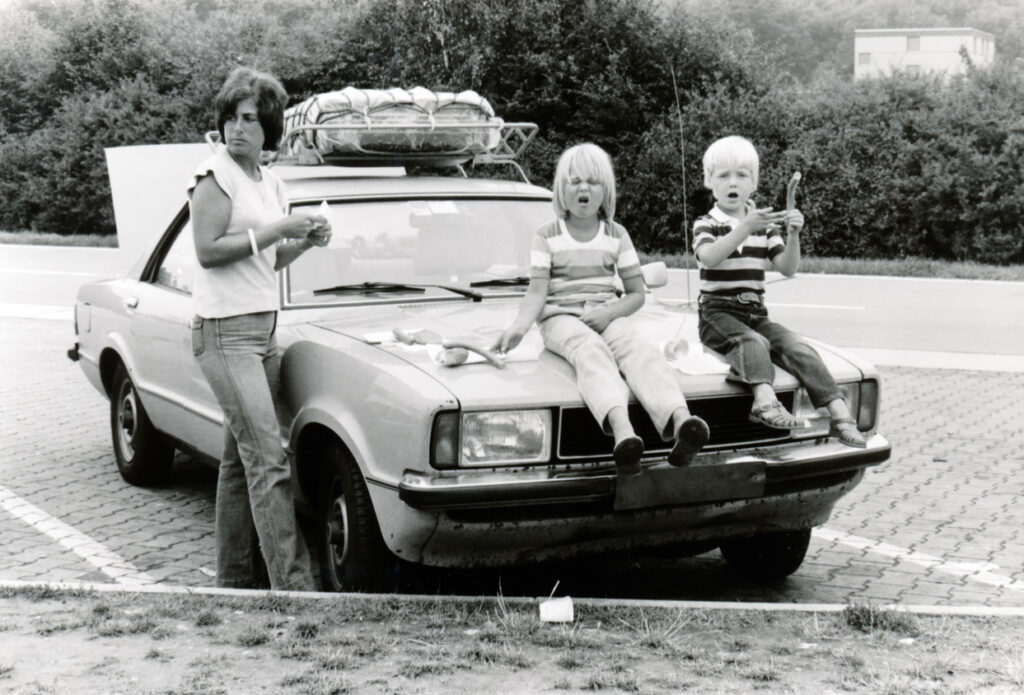
Boredom wasn’t treated as a problem. Children were expected to deal with it, whether that meant inventing games, daydreaming, or simply waiting. Today, boredom is often filled instantly with screens or activities. That shift has changed how children relate to time, patience, and imagination.
12. Learning through mistakes and minor injuries
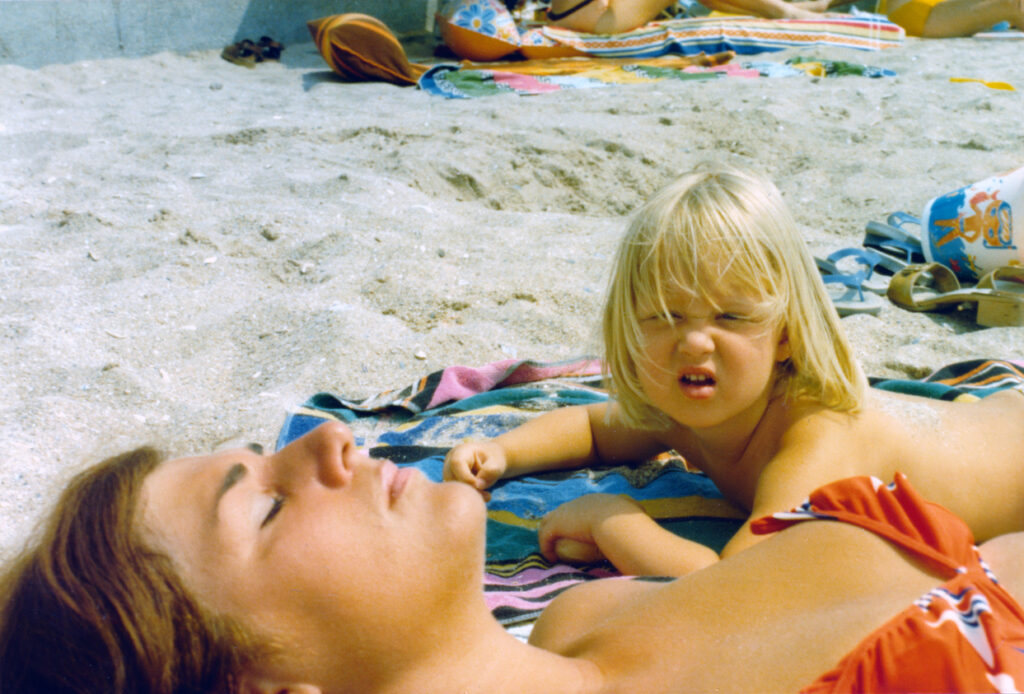
Scrapes, bruises, and mishaps were seen as part of growing up. Risk was educational, not something to be eliminated entirely. Modern parenting prioritises prevention, which has clear benefits. But it has also changed how children learn judgement, resilience, and self-assessment.
13. Childhood existing largely outside adult management
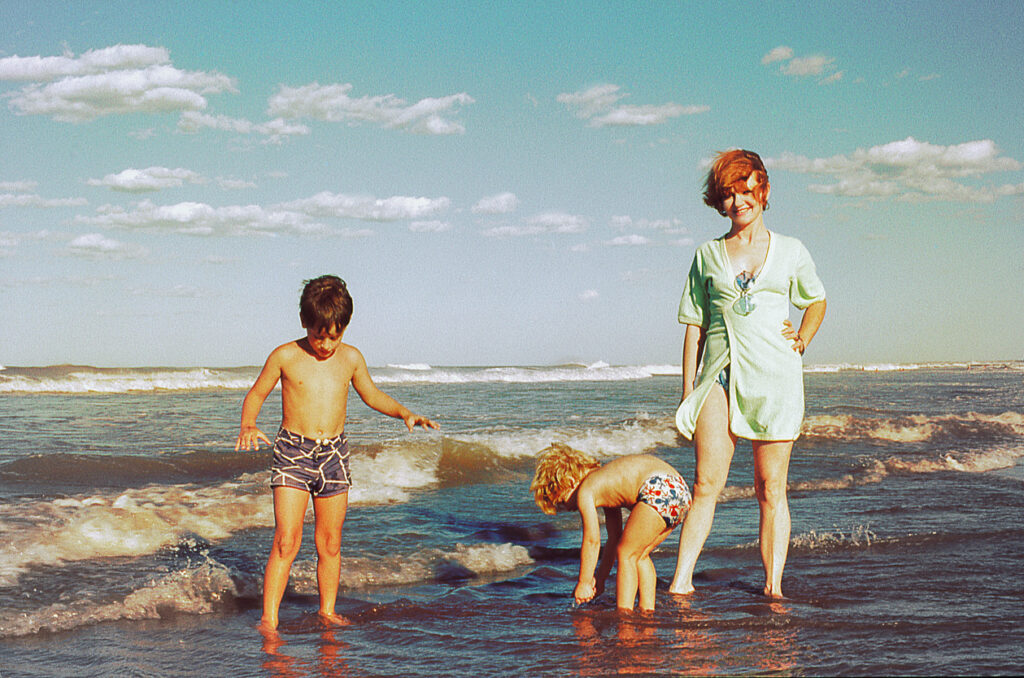
Adults didn’t monitor friendships, emotions, or daily choices in detail. Children had their own world, with their own rules, arguments, and resolutions. Today, childhood is far more observed, structured, and documented. The independence that defined much of 1970s childhood in the UK has slowly but surely slipped away.