Generally speaking, people should be able to make their own decisions and live the way they want, so long as they’re not hurting anyone else.

Unfortunately, there are those who don’t seem to have received that memo, and they seem to make it their life’s mission to determine how other people live, even though it’s got nothing to do with them. In particular, some men still think they get to have opinions about women’s personal choices that literally don’t affect them at all, which is both exhausting for women and embarrassing for the men who haven’t figured this out yet. These things are not up to men, no matter what they might think.
1. What she does with her body hair

Whether she shaves her legs, armpits, or anything else is completely her call, and your preferences about what you find attractive don’t get a vote in her personal grooming decisions. She’s not maintaining her body hair situation for your viewing pleasure or to meet some standard you’ve decided is important.
The whole “but I prefer when women…” argument is irrelevant because she’s not decorating herself according to your taste. Her body hair grows on her body, which means she gets to decide what happens to it based on her own comfort, convenience, and preferences, not yours.
2. How much makeup she wears or doesn’t wear
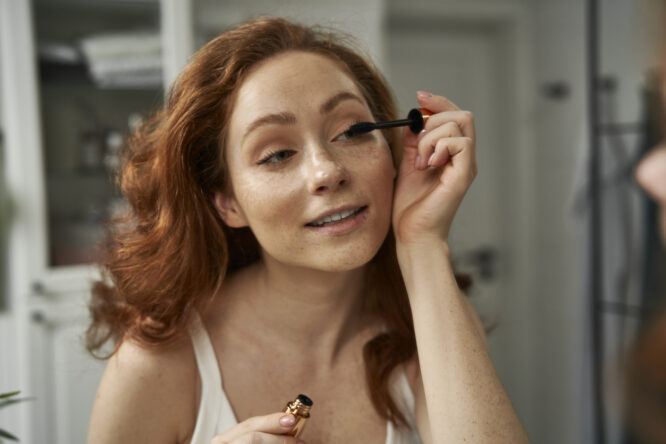
Telling women they look better with less makeup or that they’re wearing too much is basically announcing that you think your opinion about her appearance matters more than her own choices about how she wants to present herself to the world. She didn’t ask for your feedback on her foundation coverage or lipstick shade.
Whether she wants to wear a full face of makeup to the grocery store or go completely bare-faced to a fancy dinner is her business. Makeup isn’t a performance for you; it’s a personal choice about how she wants to look and feel, and your preferences are completely irrelevant to that decision.
3. What she eats or how much she eats

Commenting on her food choices, portion sizes, or eating habits is never helpful, even if you think you’re being supportive or health-conscious. She doesn’t need your input on whether she should order dessert, skip the bread, or eat that second slice of pizza that she clearly wants.
Your opinions about what constitutes healthy eating or appropriate portion sizes don’t apply to her body and her hunger levels. She’s perfectly capable of managing her own relationship with food without your commentary, suggestions, or concerned looks when she makes choices you wouldn’t make.
4. How she spends her own money

Unless you’re sharing finances in a committed relationship where major purchases affect both of you, her spending decisions are none of your business, whether she wants to buy expensive skincare, designer shoes, or anything else that makes her happy. Her financial priorities don’t need to make sense to you.
Judging her for spending money on things you consider frivolous or unnecessary just reveals that you don’t understand that different people value different things. She earned her money and gets to spend it on whatever she wants without having to justify those choices to you or anyone else.
5. What she wears or how she dresses

Her clothing choices aren’t asking for your approval, critique, or suggestions, whether you think her outfit is too revealing, not revealing enough, inappropriate for the occasion, or just not your personal style. She got dressed for herself and her own comfort, not to meet your standards for how women should look.
Telling her to change clothes, cover up more, or dress differently for any reason is essentially saying you think you have authority over her body and how she presents it. Her wardrobe decisions are based on her own taste, comfort level, and what makes her feel good, not what makes you comfortable.
6. Whether she should have kids or how many

Her reproductive choices are probably the most personal decisions she’ll ever make, and your opinions about whether she’d be a good mum whether she’s too young or too old, or how many kids would be ideal are completely irrelevant unless you’re her partner having an actual conversation about your shared future.
Even then, pressuring someone toward or away from having children based on what you want rather than supporting them in figuring out what they want is crossing major boundaries. Having kids affects her body, her career, her finances, and her entire life in ways that you’ll never fully understand.
7. How she manages her career and work life

Whether she should take that promotion, change jobs, work late, or quit to focus on other things isn’t something you get to weigh in on unless she specifically asks for your advice, and you actually understand her professional situation, goals, and challenges.
Assuming you know what’s best for her career based on limited information or your own values about work-life balance is patronising. She understands her own professional landscape, financial needs, and career ambitions better than you do, even if her choices don’t make sense from your perspective.
8. How she handles her friendships and social life

Telling her that her friends are bad influences, that she goes out too much, or that she should spend less time with certain people is trying to control her social connections and isolate her from relationships that matter to her. Her friendships existed before you and will continue to matter regardless of your opinions.
She’s capable of managing her own social relationships and doesn’t need you to evaluate whether her friends are good enough or whether her social schedule meets your approval. If her social life bothers you, that’s a you problem to work through, not a her problem to fix.
9. What she does with her free time and hobbies

Whether she wants to spend her weekends reading romance novels, watching reality TV, doing crafts, or pursuing any other hobby that you find boring or pointless isn’t something you get to judge or try to change. Her leisure time is for her enjoyment, not your entertainment or approval.
Suggesting she should find “better” hobbies or spend her free time more productively according to your standards is basically saying your idea of worthwhile activities is more valid than hers. She gets to decompress and have fun in whatever way feels good to her.
10. How she expresses her emotions

Telling her she’s overreacting, being too sensitive, or handling her feelings wrong is dismissing her emotional experience and suggesting you know better than she does about what she’s going through. Her emotional responses make sense to her based on her perspective and experiences, even if they seem disproportionate to you.
She doesn’t need you to regulate her emotions or teach her the “right” way to feel about things. If her emotional expression makes you uncomfortable, that’s something for you to examine, not something for her to change to make your life easier.
11. What she drinks or how much she drinks

Unless she’s asking you to hold her accountable for specific health or sobriety goals, monitoring her alcohol consumption and making comments about whether she should have another drink or switch to water is overstepping. She can manage her own relationship with alcohol without your supervision.
Your comfort level with drinking doesn’t determine what’s appropriate for her, and your opinions about how much is too much don’t apply to her body and her tolerance. She’s an adult who can make her own decisions about what and how much to consume.
12. How she handles her family relationships

The dynamics between her and her parents, siblings, or other family members are complicated in ways you probably don’t fully understand, so offering advice about how she should handle family drama or suggesting she should be more or less involved with difficult relatives isn’t helpful.
Family relationships often involve decades of history, patterns, and emotional complexity that can’t be solved with simple suggestions from someone on the outside. She knows her family better than you do and gets to decide what level of involvement feels healthy and sustainable for her.
13. What she posts on social media

Her Instagram posts, Facebook updates, and TikTok videos don’t need your approval or editing, whether you think she shares too much personal information, posts too many selfies, or talks about topics you’d rather keep private. Her social media presence is her own form of self-expression and connection.
If her online activity embarrasses you or doesn’t match your preferences for privacy, that’s a compatibility issue for you to consider, not a behaviour issue for her to change. She gets to curate her own digital presence according to her own values and comfort level.
14. Whether she takes your last name or keeps her own

If you get married, her decision about what name to use afterward is entirely hers, whether she wants to keep her birth name, take your name, hyphenate, or create some completely new combination. Your feelings about tradition or what feels right to you don’t override her autonomy over her own identity.
Her name is part of her identity and potentially tied to her professional reputation, family connections, and personal sense of self. Pressuring her to change it or making her feel guilty for wanting to keep it is trying to prioritise your preferences over her fundamental right to decide what she’s called.
15. How she responds to street harassment or uncomfortable situations

When other men catcall her, make inappropriate comments, or behave creepily, don’t tell her how she should have responded or suggest she was too nice, too mean, or handled it wrong. She was in the situation and made the choice that felt safest and most appropriate for her in that moment.
Women develop strategies for handling unwanted male attention based on years of experience navigating these situations, and they often prioritise their safety over making a point or standing up for themselves. Your ideas about how she should have responded come from a completely different perspective and experience than hers.