The clocks going back means it’s dark by 5 p.m. and everyone’s suddenly struggling with the evenings feeling endless.
However, loads of common habits are making it worse without you realising. These things seem harmless or even helpful, but they’re actually making the winter evenings harder to deal with. Here are some of the biggest missteps you might be making (and should change ASAP if you want to be a bit less miserable).
Keeping your curtains closed all day
When it’s cold and dark, keeping curtains closed feels cosy, but if you’re working from home or spending the day inside, keeping them shut means you’re missing whatever natural light there is. Your body needs that daylight exposure to regulate your sleep cycle and mood, even on grey days.
By blocking out what little daylight you get, you’re making it harder for your brain to distinguish between day and night. This messes with your circadian rhythm and makes the dark evenings feel even more oppressive. Open the curtains during the day even if it doesn’t seem bright outside.
Scrolling your phone in bed before sleep
Everyone knows screen time before bed is bad, but during dark winter months it’s even worse. The blue light from your phone tricks your brain into thinking it’s still daytime, which delays melatonin production. When your evenings are already dark for hours, adding more artificial light right before sleep makes it harder to actually fall asleep.
This creates a cycle where you’re tired all day because you didn’t sleep well, then you’re more likely to scroll mindlessly at night because you’re exhausted. Put the phone down at least an hour before bed, which sounds impossible but actually helps you sleep better and feel less rubbish during dark mornings.
Eating dinner much later than usual
When it gets dark at 4pm, your body thinks it’s later than it actually is. Some people respond by eating dinner really late because the evening feels so long. But eating heavy meals close to bedtime disrupts your sleep and digestion, making you feel worse the next day.
Your body’s internal clock gets confused when you’re eating at times that don’t match the actual time of day. Try to keep meal times consistent even though it feels weird eating dinner when it’s been dark for hours. Regular eating patterns help maintain your circadian rhythm.
Staying indoors all weekend

When it’s dark and cold, going outside feels pointless and miserable. But staying inside all weekend means you’re missing crucial daylight exposure. Even on overcast days, outdoor light is much brighter than indoor lighting and your body needs it to function properly.
People who hibernate all weekend feel worse throughout winter because they’re getting almost no natural light. Even a short walk during daylight hours makes a difference to your mood and energy levels. You don’t need to do anything special, just be outside when there’s still some daylight.
Relying on caffeine to get through the day
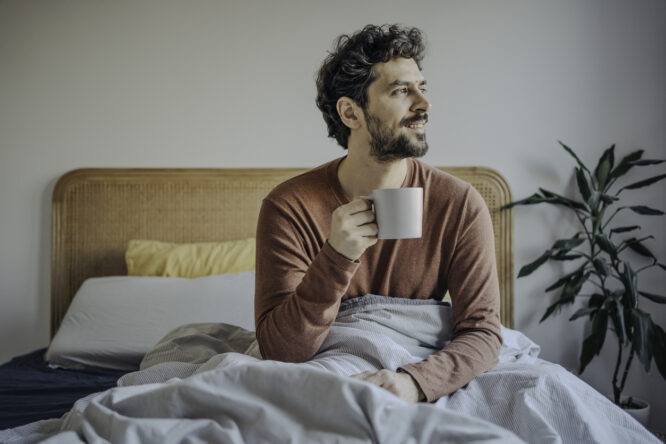
Dark mornings make you tired so you drink more coffee. But too much caffeine, especially after 2pm, interferes with your sleep that night. Then you wake up tired again and need more caffeine. It’s a cycle that makes winter fatigue worse rather than better.
Caffeine stays in your system for hours, so that afternoon coffee is still affecting you at bedtime. During winter, when your sleep is already disrupted by lack of light, adding caffeine problems makes everything harder. Cut yourself off earlier in the day, even though you feel like you need it.
Using only overhead lighting in the evenings

Harsh overhead lights in the evening are too bright and too clinical. They signal to your brain that it’s the middle of the day when actually you should be winding down. This makes it harder to relax in the evenings and can mess with your sleep preparation.
Switching to lamps with warmer, softer light in the evening helps your body understand it’s nighttime. Overhead lights are fine during the day, but in the evening they’re working against your natural rhythm. Dimmer, warmer lighting helps you transition toward sleep more naturally.
Immediately turning lights on when you get home

Getting home at 5pm when it’s already dark and immediately flooding your home with bright artificial light seems logical. But jumping straight from darkness to bright lights is quite harsh on your system. It doesn’t give your body any time to adjust to the change in light levels.
This sudden brightness can trigger headaches and make the transition from work to home feel more jarring. Gradually increasing light levels, starting with lamps rather than main lights, helps your eyes and brain adjust more comfortably to being indoors for the evening.
Napping after work because you’re knackered

Dark evenings make you feel exhausted, so having a nap after work seems sensible. But evening naps mess up your night sleep, especially if you’re napping after 5pm. You might fall asleep easier in the evening, but then you’re awake at 2am staring at the ceiling.
If you’re genuinely exhausted, a short 20-minute nap before 3pm is fine. But long evening naps or sleeping on the sofa after dinner destroys your nighttime sleep pattern. You’re better off staying awake and going to bed at a proper time, even though you feel tired.
Skipping exercise because it’s dark
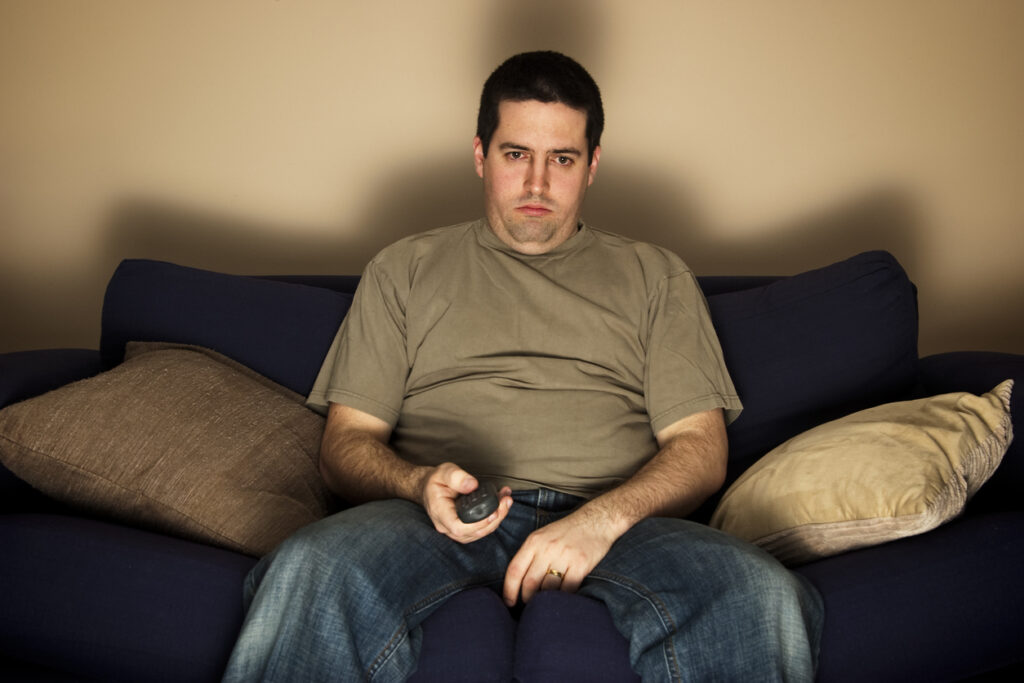
Not wanting to exercise when it’s dark outside makes sense, but stopping exercise completely during winter makes everything worse. Exercise helps regulate your sleep, improves your mood, and gives you energy. Without it, you feel more sluggish and depressed during dark months.
You don’t need to go running in the dark if that feels unsafe or miserable. But finding some form of movement, even indoors, helps massively with winter mood and energy. Skipping all exercise because it’s dark means you’re removing one of the most effective tools for coping with winter.
Eating more carbs and sugar because it’s comfort food season

Dark evenings make you crave comfort food, which usually means carbs and sugar. These give you a quick energy boost, followed by a crash that makes you feel even more tired and low. During winter, when your energy is already struggling, these blood sugar swings make everything harder.
It’s fine to have comfort food sometimes, but living on pasta, bread, and biscuits because it’s dark outside means you’re on a constant energy rollercoaster. Your body needs proper nutrition during winter, possibly even more than summer. The comfort food cycle makes winter fatigue worse, not better.
Staying up later because the evening feels wasted

When it’s been dark since 4pm, going to bed at 10pm feels like you’ve had no evening at all. So you stay up later to feel like you’ve actually had some personal time. But this means you’re not getting enough sleep, which makes the dark mornings even more brutal.
Your body doesn’t care that the evening felt short because it got dark early. It still needs the same amount of sleep. Staying up until midnight because the evening “doesn’t count” if it’s been dark the whole time just makes you chronically tired throughout winter.
Avoiding social plans because going out in the dark seems grim

Making plans that involve leaving the house after dark feels less appealing, so people cancel more and stay in. But social isolation during winter makes low mood worse. Humans need social connection, and avoiding it because it’s dark outside means you’re spending months more isolated than usual.
The effort of going out feels bigger when it’s dark and cold, but once you’re actually with people, you usually feel better. Hibernating alone all winter because leaving the house in darkness feels hard means you’re missing out on something that genuinely helps with winter mood.
Blasting the heating to make it feel cosy

Having the heating on full makes your home feel warm and cosy, but if it’s too hot it makes you drowsy and sluggish. It also means the temperature difference when you do go outside is massive, which makes going out feel even more unpleasant. Overheating your home isn’t helping, it’s making you more lethargic.
Really high temperatures make it harder to sleep as well because your body needs to cool down slightly to fall asleep properly. Keeping your home at a reasonable temperature rather than tropical levels actually helps you feel more alert during the day and sleep better at night.
Watching depressing TV because it matches the mood
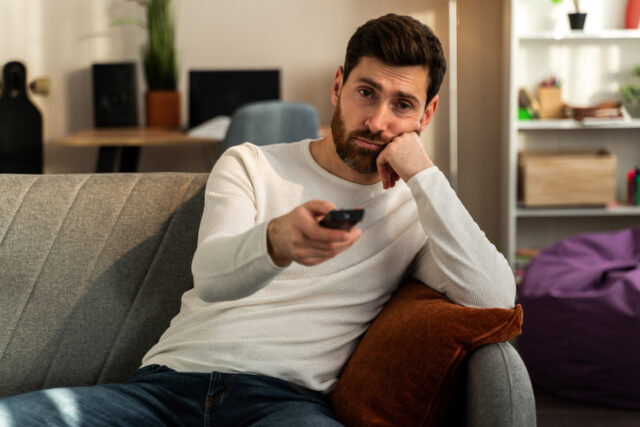
Dark evenings make people gravitate toward dark, heavy TV shows and films. But consuming loads of bleak content when you’re already feeling low because of the lack of daylight makes your mood worse. What you watch affects how you feel, even if you don’t consciously notice it.
You don’t need to watch only cheerful stuff, but being aware that your media diet affects your mental state during winter matters. Binge-watching crime documentaries or dystopian dramas all evening every evening during the darkest months probably isn’t helping your mood as much as you think it is.