In your 20s, your body feels borderline invincible.

Hangovers disappear by noon, knees bounce back from anything, and skipping meals or sleep just seems like part of the fun. However, here’s the reality check: those choices add up, and they don’t always wait until you hit your 40s. Sometimes they come back with a vengeance sooner than you’d think. Doing these things to your body while you’re still young might not make a dent at the time, but they tend to return in your 30s or beyond like a bad ex—only this time, they’ve brought consequences.
Living off energy drinks and instant noodles

It’s cheap, it’s fast, and when you’re working late or out partying, it feels like fuel. However, loading up on sodium, caffeine, and ultra-processed carbs takes a toll you don’t see straight away. Your body adjusts to the routine—until one day it doesn’t. By your 30s, the crashes hit harder, digestion gets weirdly unpredictable, and that vague bloated feeling stops being occasional. Your gut doesn’t forget how you treated it when you were too broke, or too busy, to care.
Skipping sleep like it’s optional

Pulling all-nighters might feel productive or fun in your 20s, but chronic sleep deprivation isn’t something your body just shrugs off. It creeps into your metabolism, your immune system, and your mental health, silently building stress in the background. Fast-forward a few years and suddenly, you can’t get through the day without feeling foggy, irritable, or just bone-deep tired. When insomnia finally becomes a problem, your body no longer knows how to reset itself easily.
Never wearing sunscreen

The glow might look good at 25, but the UV damage doesn’t disappear—it just goes undercover. Even a few sunburns here and there can lead to early wrinkles, sunspots, or more serious skin concerns that show up like they’ve been waiting their turn. What felt like a cute tan on holiday now turns into years of trying to undo pigmentation, dryness, or that rough, leathery texture that no amount of moisturiser can fix. SPF in your 20s is boring, but future you will beg you for it.
Over-exercising or lifting badly

Getting into fitness is great, but going too hard, too fast, and with no proper recovery or form? That’s how joints, tendons, and backs get damaged. You might not feel it at the time, but every dodgy deadlift and skipped rest day quietly counts. By your 30s, the knee you pushed through pain or the shoulder you ignored starts chiming in at random. It’s not about working out less—it’s about not training like your body’s made of elastic forever. Because it’s not.
Constantly running on caffeine

A few cups here and there is one thing. But relying on coffee to get up, concentrate, and stay social becomes a full-blown dependency before you know it. In your 20s, your body keeps up, even as your sleep and anxiety quietly worsen. Later, it’s the palpitations, the shaky hands, or the full crash by mid-afternoon that hit hardest. You start wondering if your body’s just broken—when really, it’s just burned out from years of artificial energy spikes and dips.
Ignoring mental health red flags

In your 20s, it’s easy to write off low moods, burnout, or anxiety as “just stress” or “part of growing up.” You push through it with distractions—work, friends, booze—because slowing down feels like weakness. However, emotional avoidance doesn’t disappear. It builds, and by the time you’re older, it’s harder to untangle the habits you built to survive from the ones that are slowly breaking you down. Mental health neglected early often becomes physical health issues later.
Getting by on barely any water

When you’re younger, dehydration just feels like a headache or dry lips. However, as time goes on, a lack of water messes with your skin, digestion, joints, and even your ability to concentrate. The damage isn’t dramatic, but it’s constant. As you age, you start to feel it in your bones—literally. That tight feeling in your neck or your random fatigue could just be your body saying, “Remember water? I still need it.” And hydration isn’t retroactive—you can’t fix it all at once later.
Using alcohol as a coping tool

When every social gathering includes a drink, it’s easy to miss when it turns into a habit. Drinking becomes the default way to relax, let go, or numb the noise. And because hangovers are manageable in your 20s, you barely notice the buildup.
However, alcohol affects your liver, sleep, skin, and mood in ways that don’t show up until later. You start noticing the fatigue, the anxiety spikes, the dull complexion—and sometimes the realisation that you’re not sure how to unwind without it anymore.
Smoking or vaping “just socially”

What starts as a party thing or a stress reliever can quietly become routine. You tell yourself it’s occasional, controlled—but your lungs, skin, and cardiovascular system don’t really care about intention. They’re still absorbing the long-term impact.
By your 30s or 40s, it’s the breathlessness, the wheezing on stairs, the dull skin, or the sudden “Why does my chest feel tight?” moment that makes you pause. The scariest part? The damage often doesn’t start feeling real until it already is.
Eating like your body’s a bin

Midnight takeaways, skipping breakfast, living off snacks—you don’t think twice in your 20s, because your metabolism seems to handle it. However, your gut remembers. So do your hormones. So does your energy. Later on, it’s bloating, food sensitivity, sugar crashes, and skin flare-ups that suddenly appear and make you question every past meal. Eating like rubbish when you’re young often sets the stage for health issues you don’t clock until much later.
Taking zero rest days
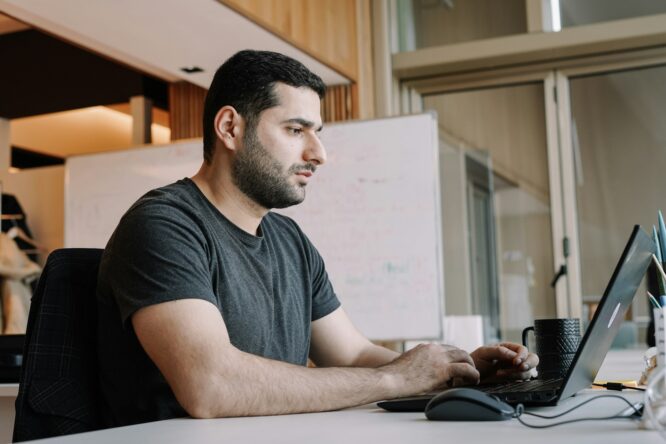
In your 20s, hustle culture makes it feel like you need to be doing something 24/7. Work, social life, gym, repeat. Rest days feel lazy, and rest itself becomes something you only do when you crash. However, burnout doesn’t announce itself—it creeps in. A few years of that pace and suddenly your body doesn’t bounce back the way it used to. You start feeling like you’ve aged a decade in one year, and rest becomes something your body now demands, not politely suggests.
Sitting for hours with no movement

If you had a desk job or binged Netflix like it was cardio, chances are your posture took a hit, and your back will never let you forget it. Slouching doesn’t hurt immediately, which is why it gets ignored for years.
But one day your spine, hips, or neck start complaining. It’s not just about standing desks or yoga—it’s about realising your body isn’t designed to be frozen in a chair for most of your adult life. Movement matters, and the effects of not moving show up slowly, then all at once.
Treating sex like it’s risk-free

From contraception roulette to ignoring red flags around sexual health, your 20s can come with a bit too much boldness. STI checks are skipped, pain is normalised, and long-term health often isn’t part of the conversation.
But untreated issues don’t stay quiet forever. Whether it’s fertility concerns, pelvic health, or infections that went unnoticed for too long—early choices often come back around in more complex ways later. Looking after your body includes your sexual health, even when no one talks about it.
Believing pain means progress
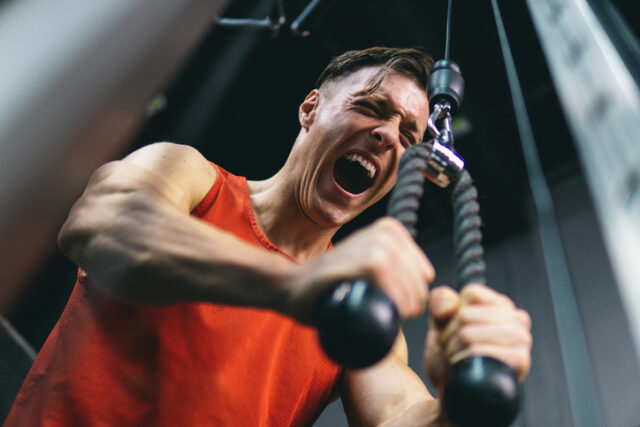
From workouts to emotional burnout, your 20s are full of “push through it” moments. You confuse exhaustion with achievement and treat every sign of discomfort like a badge of honour. However, pain is information, not failure. Ignoring it just delays the fallout. Whether it’s joint problems, migraines, or a nervous system that never learned to calm down—years of white-knuckling through everything often means your 30s come with a bill your body’s now asking you to pay.