Getting engaged seems to flip a switch in some people’s brains that turns them into completely different humans, and not always in a good way.

While it’s great to celebrate love and be excited about building a life with someone, people act like they’re the first ones to ever get married, and they act like the world should suddenly revolve around their impending nuptials. Here are some of the most obnoxious behaviours newly engaged people tend to be guilty of (at least until they get a grip and snap back to reality).
1. They become wedding planning monsters.
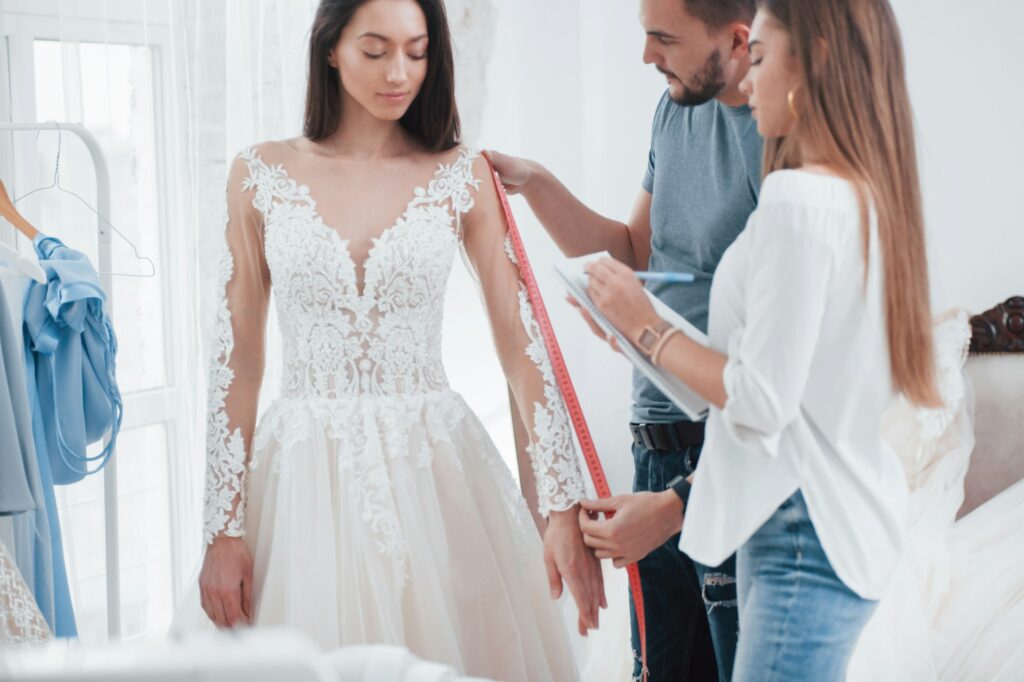
Suddenly, every conversation becomes about flowers, venues, and colour schemes, and they act like their wedding is the most important event in human history. They’ll spend an hour explaining why ivory is different from cream while you slowly lose the will to live.
These people transform from reasonable humans into bridezillas or groomzillas who expect everyone else to be as obsessed with their big day as they are. They forget that other people have lives and problems that don’t revolve around their seating chart drama.
2. They stop putting effort into their relationship.

Once the ring appears, some people act like they’ve completed a video game and can coast for the rest of their lives. Date nights disappear, romantic gestures become extinct, and they treat their partner like a flatmate they happen to sleep with occasionally.
The chase is over, so why bother trying anymore? They’ve secured the commitment they wanted, and now their partner gets the leftover scraps of attention while all their energy goes into wedding planning and showing off their new status to everyone else.
3. They start giving relationship advice to everyone.

Being engaged for five minutes apparently makes them experts on love and relationships, and they begin dispensing wisdom to people who’ve been together for years. They act like they’ve unlocked some secret knowledge about commitment that single or unmarried people couldn’t possibly understand.
The irony is they haven’t even been married yet, but they’re already acting superior to couples who’ve survived actual marriages. Getting a ring doesn’t automatically make you a relationship guru, but try telling them that.
4. They constantly find ways to mention their engagement.

Every conversation somehow gets steered back to their engagement story, their ring, or their upcoming wedding, even when the topic has nothing to do with relationships. They’ll wedge their engagement into discussions about the weather if given half a chance.
The ring gets flashed at every opportunity, and they develop a mysterious inability to use their left hand without making sure everyone notices the sparkly new addition. Subtlety goes completely out the window once that diamond appears.
5. They become obsessed with their partner’s every move.

Suddenly, they need to know where their fiancé is at all times, who they’re talking to, and what they’re doing, as if the engagement ring comes with tracking responsibilities. They monitor social media activity and start questioning friendships that never bothered them before.
This possessive behaviour gets disguised as caring or being protective, but it’s actually about ownership and control. The ring makes them feel entitled to their partner’s complete transparency and constant availability in ways they never expected before.
6. They expect everyone to drop everything for wedding events.

Engagement parties, hen dos, stag nights, dress shopping, cake tasting, and venue visits become mandatory social events that everyone in their orbit is expected to prioritise. They genuinely can’t understand why people might have other commitments or financial limitations.
They act personally offended when someone can’t attend every wedding-related gathering, as if declining an invitation to watch them sample canapés is a betrayal of the friendship. Your schedule suddenly revolves around their wedding timeline, whether you like it or not.
7. They start planning their partner’s entire future.

The engagement becomes a licence to redesign their partner’s life, from career choices to friend groups to how they spend their free time. They act like getting engaged means they can now manage every aspect of their partner’s existence and make decisions for both of them.
Their partner’s individual goals get absorbed into “our” plans without much consultation, and any resistance to these changes gets framed as not being committed to the relationship. The ring apparently comes with the right to dictate their partner’s entire life trajectory.
8. They become wedding venue and vendor name-droppers.

Every conversation includes mentions of their photographer’s awards, their venue’s exclusivity, or their dress designer’s celebrity clients. They start acting like their wedding vendors are personal friends and expecting everyone to be impressed by their choices.
The wedding becomes a status symbol rather than a celebration, and they need everyone to know how much research went into finding the “best” everything. Wedding planning turns into competitive bragging about who they’ve hired.
9. They lose their individual identity completely.

Everything becomes “we” decisions and “our” preferences, even when discussing personal opinions they held long before the engagement. They seem to forget they’re still individual people with separate thoughts and interests.
Their social media becomes a shrine to the relationship, and they stop posting about anything that doesn’t involve their partner or wedding planning. Friends start wondering what happened to the person they used to know before the ring appeared.
10. They start testing their partner’s commitment constantly.

Little tests and challenges appear to make sure their fiancé is properly devoted, from expecting them to choose the relationship over friendships to demanding they prove their love through grand gestures or sacrifices. The engagement becomes a probationary period rather than a celebration.
They create drama and conflicts to see how their partner responds, and any failure to prioritise the relationship above everything else becomes evidence of insufficient commitment. The ring makes them insecure rather than secure, so they need constant proof of devotion.
11. They start treating married friends like a special club.

Suddenly, they want to bond with married friends over the “journey” of engagement and planning, while treating single friends like they wouldn’t understand the complexities of their new status. Marriage becomes this exclusive club they’re finally getting invited to join.
They start asking for marriage advice from anyone with a ring, regardless of whether those marriages are actually successful or happy. The married friends become their new reference group, while single friends get gradually phased out.
12. They develop amnesia about their pre-engagement complaints.

All the things they used to moan about regarding their partner mysteriously disappear from memory once there’s a ring involved. Suddenly, the same person who drove them mental six months ago is perfect marriage material with no flaws worth mentioning.
They rewrite their relationship history to fit the fairy tale narrative, forgetting all the times they called you crying about their partner’s annoying habits. The engagement erases all previous relationship problems in their minds.
13. They start micromanaging their partner’s wedding involvement.

Their partner’s level of enthusiasm for wedding planning becomes a measure of their love and commitment, and any lack of interest in flower arrangements or venue details gets interpreted as not caring about the relationship. They expect their fiancé to match their energy about every wedding decision.
The partner who just wants to show up and get married becomes a problem that needs fixing, and their different approach to wedding planning becomes evidence of relationship issues. They can’t understand that some people view weddings as parties rather than life-defining events.
14. They start policing other people’s life choices.

Living together without marriage becomes something they need to comment on, and they start suggesting that people who don’t want weddings are missing out on something essential. Their life choices become the template everyone else should follow.
They develop strong opinions about proper relationship milestones and timelines, forgetting that they used to have different priorities before the engagement ring appeared. Everyone else’s relationship decisions suddenly become their business to evaluate.
15. They lose all sense of proportion about wedding problems.

A florist running late becomes a crisis worthy of tears and emergency phone calls to everyone they know. Wedding planning stress gets treated like life-or-death drama, and they expect everyone to rally around them for support over relatively minor issues.
Their partner bears the brunt of this wedding stress and gets blamed for not caring enough when they don’t share the same level of panic about napkin colours. Every minor hiccup becomes a test of the relationship rather than just a normal planning challenge.