Isolation tends to happen gradually, which is why it’s so insidious.
You don’t wake up one day completely cut off from everyone, it happens slowly through small choices and changes that seem harmless at the time. You cancel one plan, then another, you stop responding to messages as quickly, you find reasons not to go out. Before you realise it, you’ve created a life that’s much smaller and lonelier than you intended.
The tricky part is isolation often feels comfortable in the moment, like you’re just protecting your peace or managing your energy. But there’s a difference between healthy solitude and unhealthy isolation. Here are the warning signs you’re becoming more isolated from the world than is good for you.
1. You’ve stopped making plans weeks in advance.

You used to have things in your calendar to look forward to. Dinners with friends, gigs, trips, events. Now your calendar’s mostly empty, and you prefer it that way. You tell yourself you like keeping things flexible, but really you’re avoiding committing to social situations.
When people suggest plans, you give vague maybes instead of definite yeses. You’re keeping your options open to cancel later. This happens because making and keeping plans feels like too much effort, which is a sign you’re withdrawing from normal social life.
2. Going to the shops feels like a major expedition.
Popping to Tesco used to be no big deal. Now it requires mental preparation and feels exhausting. You put it off, order everything online, or go at weird hours to avoid people. Normal errands that involve being around other people feel overwhelming.
Having anxiety about basic public activities shows you’re losing your tolerance for everyday social interaction. The more you avoid it, the harder it becomes, creating a cycle where isolation increases your discomfort with the outside world.
3. You’ve not spoken out loud to anyone in days.

If you live alone and work from home, you can go surprisingly long periods without actually speaking to another human being. Texts and emails don’t count. You might realise your voice sounds croaky when you finally do speak because you’ve not used it in days.
The lack of verbal human contact is a clear isolation warning sign. Humans need regular interaction, and when you’re going days without speaking to anyone, you’ve become very disconnected from normal social contact.
4. Your world has shrunk to your home and maybe one other place.
You go to work or the local shop and that’s it. You’re not exploring, trying new places, or varying your routine. Your physical world has become very small, just a few familiar spaces. You can’t remember the last time you went somewhere new or different.
A shrinking physical world reflects a shrinking life. When you stop going places and experiencing different environments, you’re cutting yourself off from spontaneous encounters and new experiences that create connection and meaning.
5. You’ve muted or hidden most people on social media.
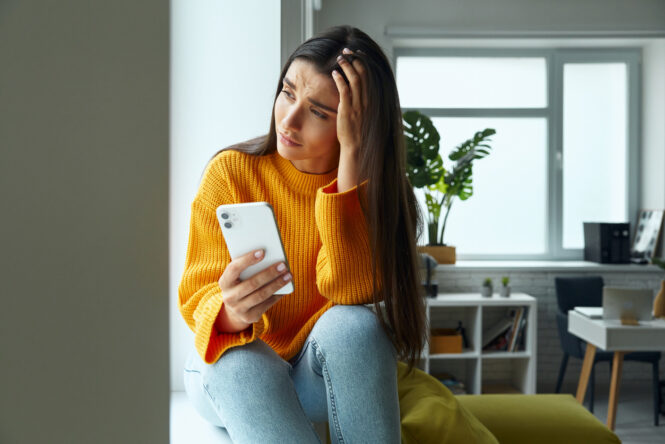
Seeing other people’s lives has become irritating or depressing rather than interesting. You’ve muted friends, left group chats, or stopped posting yourself. Your social media is now just you scrolling through content from strangers or brands, not actual connection with people you know.
Your digital withdrawal mirrors real-world isolation. When you can’t even handle the low-effort connection of social media, it shows you’re pulling away from your social circle in every possible way.
6. You’ve stopped sharing things with people.
You used to text friends about funny things you saw or interesting articles you read. You’d share your life naturally throughout the day. Now you keep everything to yourself. Things happen, and you think “that’s funny” or “that’s interesting” but you don’t tell anyone about it.
Being quiet about your daily life means you’re processing everything alone. Sharing is how we stay connected to people. When you stop doing it, relationships fade because people don’t know what’s happening in your life anymore.
7. You’re relieved when plans get cancelled.

Someone cancels on you, and you feel genuine relief rather than disappointment. You were dreading it anyway. You might even secretly hope plans fall through so you don’t have to go. This relief at avoiding social contact is a major warning sign.
Healthy people generally enjoy seeing friends, even if they’re a bit tired beforehand. If you’re consistently relieved to avoid social situations, you’ve developed an unhealthy pattern of isolation that’s making you prefer being alone to being with people.
8. You can’t remember the last time you had a proper conversation.
All your recent interactions have been surface level. Quick chats at the checkout, brief work exchanges, maybe some texts. But an actual conversation where you discussed something meaningful or really connected with someone? You genuinely can’t remember when that last happened.
Lack of meaningful conversation is different from just being alone. You can be around people all day, but still isolated if none of those interactions go beyond pleasantries. This emotional isolation is just as damaging as physical isolation.
9. Your appearance has slipped because nobody sees you.
You’re not bothering with proper clothes, makeup, or grooming because who’s going to see you? You wear the same trackies for days, skip showers, live in hoodies. Your appearance has declined because you’ve stopped having reasons to present yourself to the world.
How you present yourself reflects how connected you are to society. When you stop caring because there’s no audience, it shows you’ve disconnected from the social world where appearance and presentation matter.
10. You’ve developed a strong routine that involves no other people.
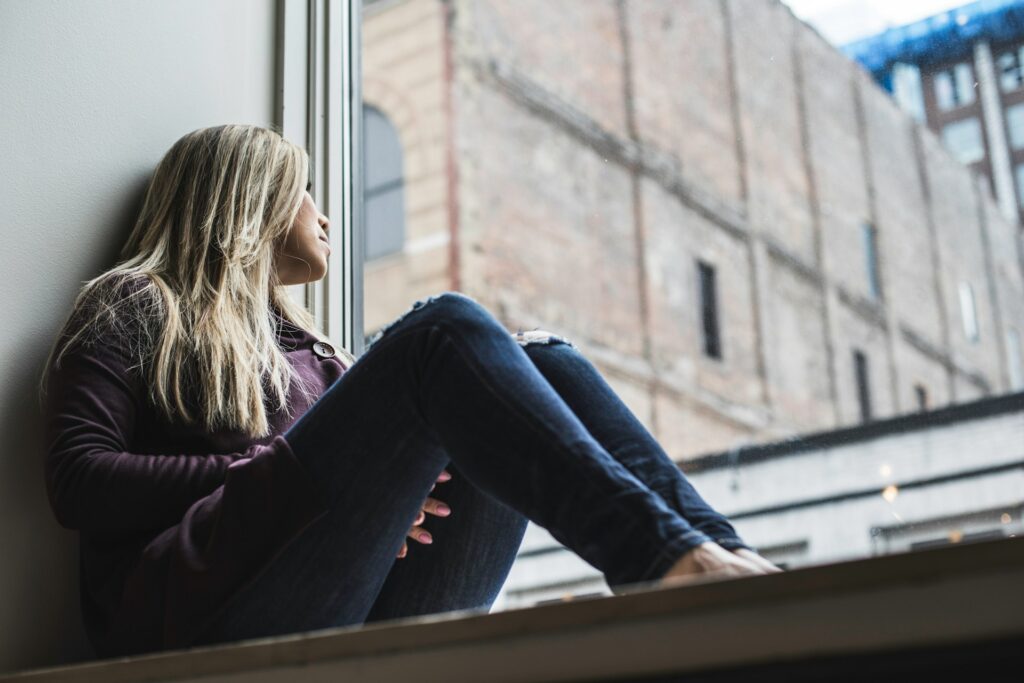
You’ve got your day perfectly structured around activities you do alone. Work, exercise, cooking, hobbies, all solo. Your routine is comfortable and familiar, but there’s zero room in it for spontaneous social contact or making time for other people.
Rigid routines that exclude people are a protection mechanism. You’re controlling your environment to avoid the unpredictability of social interaction. But humans aren’t meant to function in complete isolation, and this kind of routine reflects withdrawal from normal life.
11. You’ve stopped initiating contact with anyone.
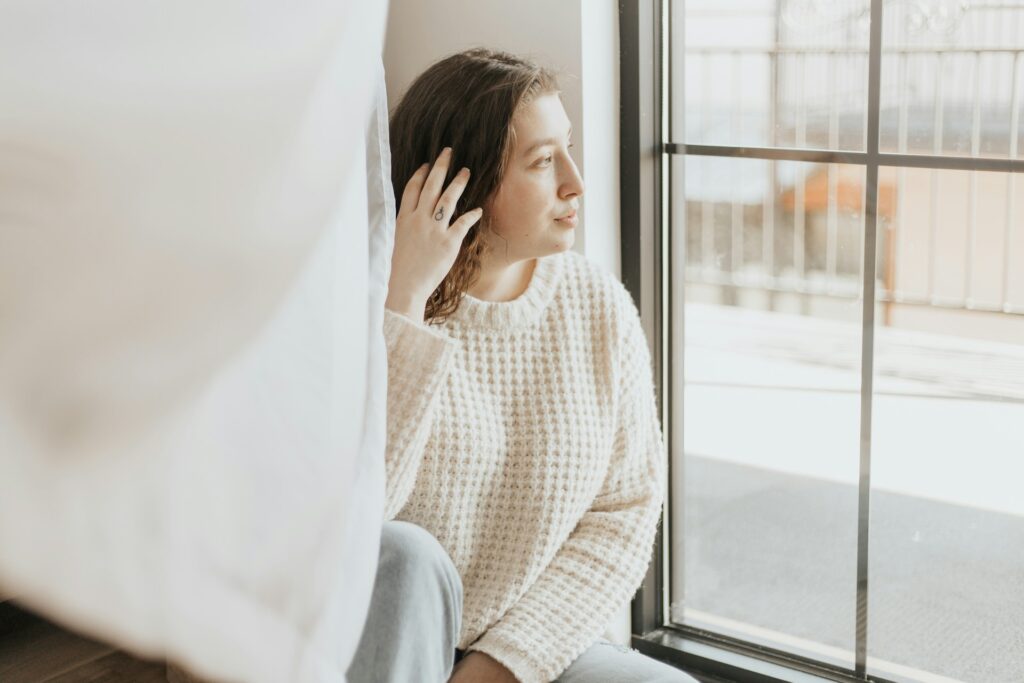
You never text first, never suggest meeting up, never reach out. If people contact you, you might respond, but you don’t start conversations anymore. You’re passively waiting for other people to include you while making no effort yourself.
That passivity means your relationships are entirely dependent on other people’s effort. Eventually, they’ll stop trying, and you’ll have no one. Not initiating contact is both a symptom and a cause of increasing isolation.
12. Small talk has become genuinely difficult.

You used to be able to chat with the hairdresser or make conversation in queues. Now even basic small talk feels awkward and exhausting. You’ve lost the social skills that used to be automatic. You don’t know what to say in casual interactions anymore.
Social skills genuinely atrophy when you don’t use them. The longer you’re isolated, the harder normal interaction becomes. This creates anxiety about social situations, which makes you avoid them more, which makes your skills worse. It’s a vicious cycle.
13. You’re choosing screen time over people consistently.
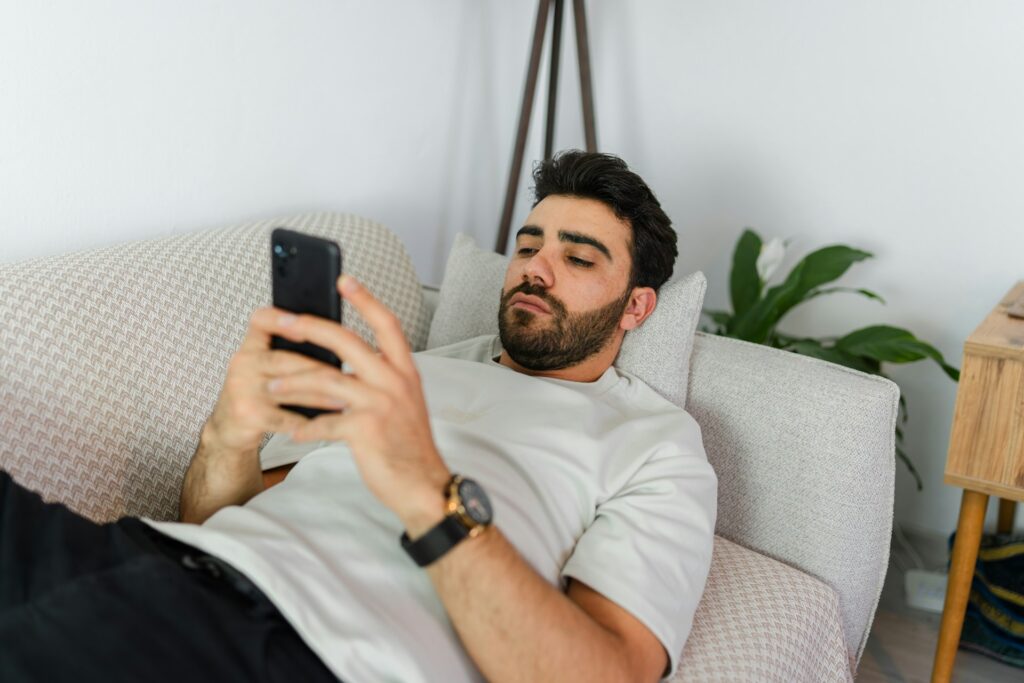
Given the choice between scrolling your phone or meeting a friend, you choose the phone. Netflix over dinner out. Gaming over socialising. You’ve replaced human connection with digital content consumption. It’s easier, less demanding, and you can control it completely.
Screens provide a simulation of engagement without the effort or risk of real connection. When you consistently choose this over actual people, you’re substituting real relationships with parasocial ones. It feels like connection, but it’s not.
14. You’ve convinced yourself you prefer it this way.

You tell yourself you’re an introvert, you don’t need people, you’re perfectly happy alone. You’ve built a narrative that your isolation is a choice and a preference. You might even feel superior to people who “need” social contact.
This justification is often a defence mechanism. Humans are social creatures, and extended isolation affects mental and physical health. Convincing yourself you prefer it doesn’t make it healthy, it just makes it easier to stay stuck in the pattern.
15. Your sleep schedule has gone completely off.

You’re staying up until 4am and sleeping until noon, or sleeping at random times because there’s nothing structuring your day around other people’s schedules. Without social obligations or regular human contact, your circadian rhythm has gone wild.
A disordered sleep schedule is both a symptom and a consequence of isolation. When you’re not synced with society’s rhythms, you become even more disconnected. You’re awake when everyone’s asleep and vice versa, making connection even harder.
16. You feel disconnected even from yourself.

Beyond being isolated from the world around you, you feel disconnected from your own life. You’re going through motions but not really engaged. Days blur together. You can’t remember what you did yesterday. You feel like you’re watching your life from outside rather than living it.
This dissociation happens when isolation becomes severe. Without external input and reflection from other people, you lose your sense of self. We need other people to mirror us back to ourselves, to remind us who we are. Without that, you become unmoored from your own identity. Recognising these signs is important because isolation is easier to reverse the earlier you catch it.
If you’re experiencing several of these warning signs, you’ve drifted into unhealthy territory. The solution isn’t forcing yourself into constant socialising, it’s gradually rebuilding connection in small, manageable ways. Text someone back. Say yes to one plan. Leave the house for something non-essential. Small steps back toward the world add up. The longer you stay isolated, the harder it becomes to reconnect, so noticing these patterns now gives you the chance to change direction before you’re completely cut off.