For a party that once stood for the working class, public ownership, and bold reform, Labour under Keir Starmer has started sounding a lot like… well, the Conservatives.
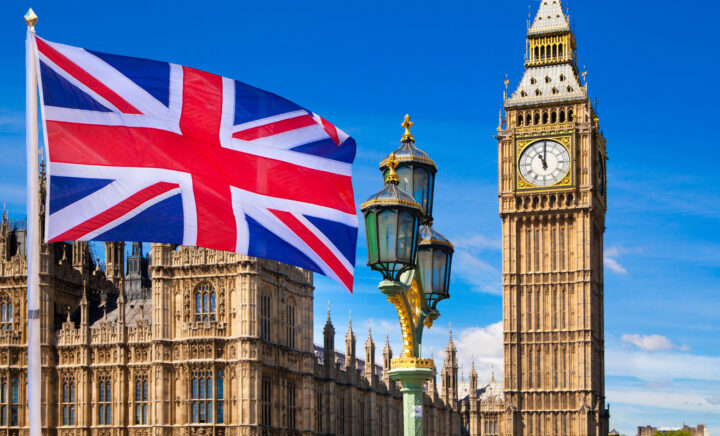
Whether it’s the language, the policies, or the tone, there’s been a clear change, sometimes subtle, sometimes brazen. While some see it as pragmatic politics, others are wondering what, exactly, the party still stands for. Here are just some of the ways the Labour Party is starting to feel more Tory than ever before.
1. Playing it safe with policy

Labour’s recent strategy seems to be avoiding anything that could be labelled “radical.” Tax hikes for the rich? Nope. Public ownership of utilities? Quietly dropped. Instead, the party’s leaning on vague promises and carefully managed messaging.
This cautious approach mirrors the Conservative playbook: minimise risk, stay non-committal, and don’t spook the markets. It’s all very palatable to centrists, but to lifelong Labour voters, it feels like watching the soul of the party slowly drain away.
2. Backpedalling on public ownership
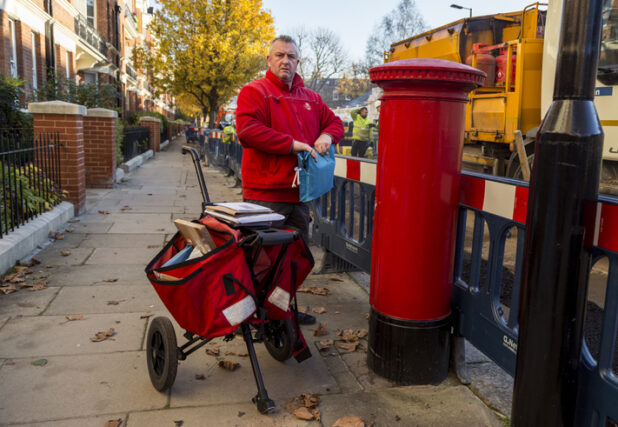
Once a proud part of Labour’s vision, public ownership of rail, mail, and energy has been shelved. Starmer has made it clear the focus is now “pragmatic” economics, not ideological commitments, even if those ideologies are what the base supported. It’s a move that mirrors decades of Tory logic: trust the private sector, deregulate where possible, and let competition sort it out. Only now, it’s coming from the party that used to stand firmly against all that.
3. Courting big business
Labour’s recent outreach to CEOs and corporate donors looks a lot like the old Conservative charm offensive. Starmer’s speech at Davos and Rachel Reeves’ private briefings with banks and business leaders have raised eyebrows across the left.
While it’s not unusual for a major party to engage with industry, the tone has changed from collaboration to appeasement. Labour now seems more concerned with sounding “fiscally responsible” to the City than bold to voters who actually rely on public services.
4. Sidestepping workers and unions

Historically, Labour was the party of organised labour. But when rail workers and nurses took to the picket lines, Starmer’s response was muted, sometimes even critical. MPs were told to stay away from protests. Union support has felt more like an obligation than a cause.
This hands-off approach aligns more with Tory tactics of distancing from strikes to appear “neutral” while quietly pleasing corporate interests. It’s a sharp break from the days when Labour stood shoulder to shoulder with those fighting for fair pay.
5. Playing tough on immigration

Rather than offering a strong counter-narrative to Tory immigration rhetoric, Labour seems to be echoing it. Starmer talks about “securing borders” and “stopping the boats” with language not far off from Suella Braverman’s soundbites. Instead of pushing for compassion or reform, Labour’s position has been largely reactive, more focused on not upsetting swing voters than offering real alternatives. It’s a change that feels less like leadership and more like mimicry.
6. Watering down environmental promises

Labour’s flagship green investment plan—the £28 billion a year Green Prosperity Fund—has been scaled back significantly. What was once a big, bold promise to tackle climate change and create jobs has been whittled down under pressure. The backtracking mirrors Tory behaviour: make bold pledges, then quietly dilute them when the media heat gets too much. For a party claiming to be the future, Labour’s environmental ambition is starting to look pretty cautious.
7. Prioritising ‘law and order’ optics
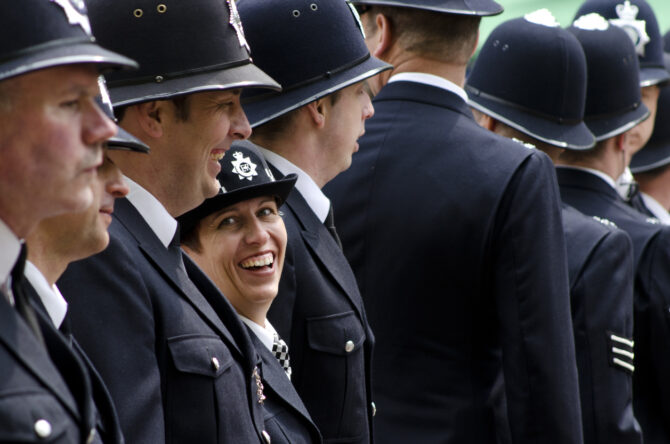
Labour’s been leaning hard into tough-on-crime messaging—more police, stricter sentences, and rhetoric about being “the party of law and order.” It’s clearly aimed at winning over voters who backed Boris in 2019. However, this approach has heavy Tory fingerprints. Rather than tackling the root causes of crime, such as poverty, housing, and education, Labour’s doubling down on surface-level control. It plays well in the headlines but doesn’t do much to change outcomes.
8. Being vague on wealth inequality

While Labour talks about “growing the economy,” it’s gone quiet on redistributing wealth. Wealth taxes, windfall taxes, even serious reform of inheritance law are barely mentioned now. The language has changed from fairness to growth. This is straight out of the Tory script: sell growth as the rising tide that lifts all boats, even if most boats stay stuck. For a party that once promised to close the gap, the silence on inequality is deafening.
9. Sidelining the left wing
From de-selections to outright bans, Labour’s leadership has been actively weeding out candidates with strong left-wing credentials. Those linked to Corbynism have been pushed aside, and members suspended or silenced. It’s a calculated move to appear “electable,” but it’s also a move straight from the Tory party. Centralise power, cut out dissent, and keep messaging tightly controlled. Democracy within the party has taken a serious hit.
10. Echoing right-wing culture war language
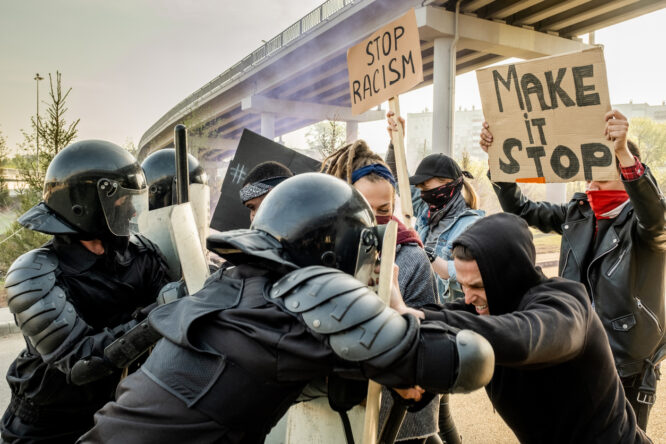
Labour seems reluctant to take a firm stance on culture war issues, whether it’s trans rights, protest laws, or institutional racism. Instead, the party often stays silent or offers bland, fence-sitting statements that avoid upsetting either side. This mirrors Conservative strategy: frame complex issues as toxic battlegrounds and hope to dodge the fallout. Of course, when Labour avoids these topics altogether, it cedes ground and lets right-wing narratives dominate the space unchallenged.
11. Embracing “British values” nationalism

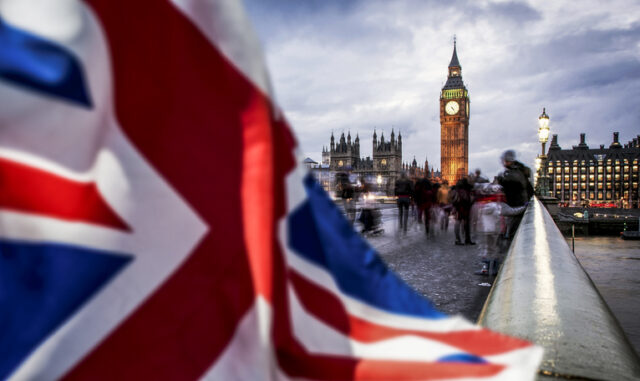
Starmer has made a point of stressing patriotism, flag-waving, and British exceptionalism. From Union Jack backdrops to speeches about national pride, Labour is now walking a tightrope between inclusivity and chest-thumping. This change plays directly into traditional Conservative identity politics. While patriotism itself isn’t a problem, using it to paper over social inequality or appease Daily Mail readers feels like an oddly Tory thing for Labour to be doing.
12. Delaying bold economic reform

Labour keeps promising change “once the economy is stable” or “when the time is right,” but that timeline keeps getting pushed. Proposals for wealth redistribution, housing reform, or even renationalisation are always on the back burner. It’s the same stalling tactic used by countless Tory governments: kick the can down the road, delay tough decisions, and hope no one notices. It’s starting to sound less like caution and more like political evasion.
13. Pitching to landlords instead of tenants

Despite a growing housing crisis, Labour’s housing policies sound increasingly landlord-friendly. There’s been no strong pledge to cap rents or overhaul the broken rental system, just vague commitments to build more homes. By refusing to directly challenge the power imbalance in the housing market, Labour is once again echoing Tory logic: protect property interests first, renters later. It’s not what people drowning in rent hikes were hoping to hear.
14. Backing off from tuition fee reform

Tuition fees used to be a major dividing line between Labour and the Tories. Now, Starmer has confirmed there will be no plan to abolish them, and no clear alternative for student finance reform. It’s a huge reversal from earlier pledges and a real blow to younger voters. Once again, Labour is aligning with the Conservative idea that education is a personal investment, not a public good worth funding properly.
15. Talking like managers, not movement leaders

There’s been a noticeable change in tone from Labour leaders, from visionary to corporate. Speeches are full of buzzwords like “stability,” “fiscal responsibility,” and “pragmatism.” It all feels a bit beige. The managerial tone might sound professional, but it lacks energy. What’s worse, it sounds exactly like the polished, focus-grouped language we’ve heard from Tories for years. Passion doesn’t need to be chaotic, but it does need to be there.
16. Prioritising power over principle

At the heart of it all is this: Labour’s leadership seems more focused on winning than transforming. That might make sense in a tactical way, but it leaves voters wondering what kind of government we’re actually voting for. Labour doesn’t have to mirror Tory behaviour to win back trust. After all, voters kicked the Tories out for a reason. But right now, it’s edging closer to being a slightly nicer version of the same old story. For many people who believed in something better, that’s hard to swallow.