You probably don’t expect a wealthy country like the UK to feel anything like a third-world country, but in many ways, it’s starting to.
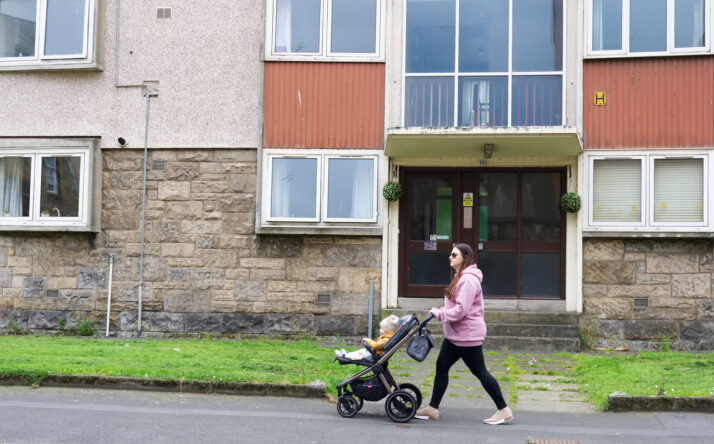
These days, widening poverty, collapsing services, crumbling infrastructure, and stagnating living standards mean parts of daily life are starting to feel more brittle than ever. These aren’t political talking points; they’re the patterns people are living through right now. If we don’t address these issues soon, we’re in danger of becoming just like the countries many of our leaders (and citizens, for that matter) think they’re doing much better than.
1. Poverty levels are shockingly widespread.
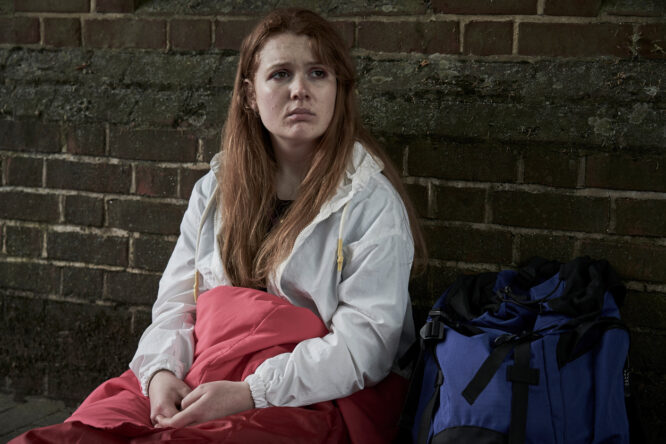
Over one in five people in the UK, around 14 million, live in poverty, according to the Joseph Rowntree Foundation. Child poverty is even worse, with roughly one third of kids growing up below the poverty line. That’s not just a minor issue, either. It’s widespread, structural, and getting harder to ignore.
Welfare caps and stripped-back support systems have left millions in hardship. For some households, the standard of living now compares more closely with countries you’d never expect. And yet, the country continues to present itself as one of the wealthiest in the world.
2. Living standards continue to decline at breakneck speed.
Most people aren’t earning more in real terms than they were a decade ago. Wages are stuck, costs are rising, and essentials are swallowing up more of people’s incomes. Inflation might’ve cooled slightly, but bills are still painful, and many are only just staying afloat.
Even those in full-time work are struggling. With no significant wage growth, rising rent, and the cost of food continuing to soar, many families are living with less security than they did five or even ten years ago. For a so-called advanced economy, that’s a red flag.
3. Social services and charities are breaking point.

Local councils are going bankrupt. Charities are closing down. Mental health services are overstretched, and waiting lists for support keep growing. In many areas, people are relying on food banks and voluntary organisations just to get by, and even those are being pushed to the limit.
Without solid public funding, safety nets aren’t holding. Communities are watching essential services disappear, while needs keep climbing. That’s when the difference between “under pressure” and “failing” really starts to show.
4. Infrastructure is slow, expensive, and patchy.
From railway lines to housing projects, progress feels sluggish. Major developments take years longer than planned, cost twice what they should, and often get scrapped halfway through. In the meantime, basic infrastructure, such as water systems and flood protection, is showing signs of serious wear.
Sewage spills, traffic chaos, and buildings unfit for purpose aren’t isolated issues. They’re starting to reflect a wider problem: the inability to build and maintain core infrastructure efficiently or affordably. That’s not just frustrating. It’s a marker of national decline.
5. Inequality is deepening, not easing.

The wealth gap keeps growing. While the richest continue to gain, more and more families are sliding backwards. It’s more than pay that’s problematic. It’s also about housing, education, health, and opportunity being divided by postcode and bank balance.
You don’t have to travel far to see it. Affluent neighbourhoods sit just down the road from food bank queues. In some regions, life expectancy is dropping. These aren’t trends you associate with a healthy, developed society, but they’re becoming normalised here.
6. Public services are underfunded and overstretched.

The NHS is strained. Schools are under-resourced. Local authorities are cutting services that used to be standard. Whether it’s youth programmes, elder care, or social housing, what once felt like a given now feels like a luxury. Many of these systems are still technically in place, but they’re operating on fumes. When services are only functioning on paper and not in practice, that’s a clear sign that things are breaking down beneath the surface.
7. Economic strategies echo developing world models.
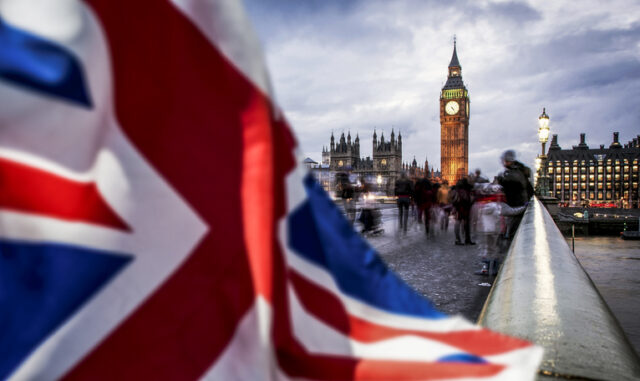
Relying heavily on foreign investment while selling off public assets is a tactic more often seen in struggling economies. Yet it’s become the UK’s default approach. There’s little long-term reinvestment in public wealth, just short-term gains for private interests. This approach weakens public infrastructure, widens inequality, and increases reliance on external capital. It doesn’t build resilience, it destroys it. Plus, it leaves the country more vulnerable to economic shocks.
8. Climate pressures are pushing food costs higher.

Extreme weather is already disrupting global supply chains, and the UK isn’t immune. Food prices are rising sharply, especially for fresh produce, and the impact is being felt hardest by people already on tight budgets. With no price controls or major subsidies in place, everyday groceries are turning into stress points. As food insecurity becomes more common, it’s starting to feel like a feature of the system, not a temporary glitch.
9. Political instability is growing.
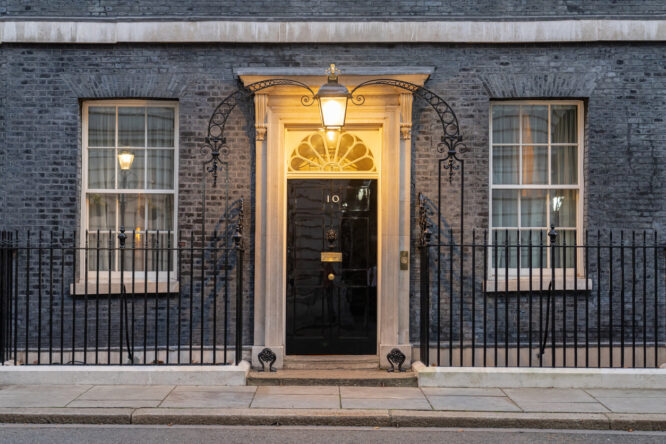
The public mood is tense. More people are disillusioned with mainstream parties. New movements are emerging, not out of excitement, but out of frustration with how little progress has been made on key issues like housing, healthcare, and cost of living.
At the same time, recent benefit cuts have hit the lowest earners hard, right when they can least afford it. These aren’t just political changes. They’re changes that impact real lives, especially for people already living close to the edge.
To be clear, the UK isn’t a third-world country, but the fact that this kind of comparison doesn’t feel ridiculous anymore—that’s the warning. The combination of rising inequality, fragile infrastructure, and broken systems is moving the country closer to something it never imagined being. And unless real investment and policy change arrive soon, the gap between what the UK claims to be and how people are actually living will only grow wider.