Wellness is supposed to make us feel better, but somewhere along the way, a lot of it started making people feel guilty, overwhelmed, or straight-up stressed. In other words, it can often do more harm than good, unfortunately, Here are the trends that promised peace but delivered pressure instead. You might be better off avoiding them altogether, or cutting them out of your routine if they’re making you more anxious.
Tracking every single step
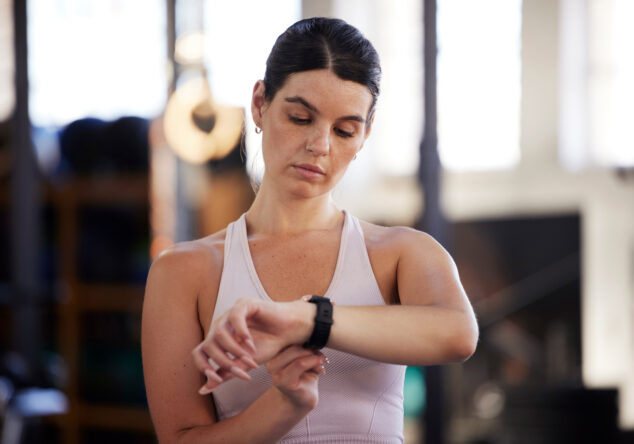
What started as a helpful way to stay active quickly became obsessive for a lot of people. Step goals turned into daily competitions, and missing a target, even by a few hundred, started to feel like personal failure. Instead of listening to how your body feels, you end up glued to a number. And the worst part? You could spend an active, productive day but still feel like you “did nothing” just because the watch didn’t agree.
Morning routines that feel like a full-time job
Somewhere out there, someone’s ideal morning involves journaling, meditating, reading, ice bathing, yoga, and a green smoothie, all before 8 a.m. But for the rest of us, trying to copy that just leads to burnout before breakfast. When a routine makes you feel rushed, anxious, or like a failure for not doing it “perfectly,” it stops being helpful. Wellness shouldn’t feel like a checklist you’re constantly behind on.
Toxic positivity
The idea of staying positive no matter what might sound healthy, but it often ends up invalidating real feelings. You’re not supposed to smile through grief, panic, or burnout—it’s okay to not be okay sometimes. Toxic positivity pressures people to deny their reality just to seem “high vibe.” That’s not healing, it’s emotional suppression wrapped in a pastel Instagram quote.
Calorie-counting disguised as mindfulness
“Wellness” apps that claim to help you eat more mindfully often turn into diet trackers in disguise. It can start out with the intention of tuning in to hunger cues, but end up being just another numbers game. For anyone with a history of disordered eating or body image issues, these trends can quietly spiral into guilt, obsession, and food anxiety, none of which are good for long-term health.
Biohacking everything
Biohacking promised optimisation, but it often ends up being a fancy name for overthinking your body. From wearing sleep monitors to tracking your blood sugar after every meal, it turns existing into a science experiment. It’s easy to get so caught up in adjusting variables that you stop enjoying life. Not everything needs to be measured, improved, or hacked—sometimes you’re fine as you are.

Joining the 5 a.m. club
Waking up early can be great for some people, but turning it into a moral badge of honour just adds more pressure. You’re not lazy because you get up at 7 or 8 a.m.—you’re human, not a productivity robot. When sleep deprivation becomes a “wellness flex,” we’ve officially lost the plot. No amount of self-discipline is worth sacrificing rest, especially when your body is begging for it.
Cold plunges and ice baths
Yes, they have benefits, but let’s be honest, plunging into freezing water before your brain’s even woken up isn’t everyone’s idea of peace. Yet somehow, it became a symbol of toughness in the wellness world. If it works for you, great. But if it just gives you anxiety before you’ve had your coffee, it’s okay to admit it’s not your thing. Wellness isn’t meant to be a competition in discomfort tolerance.
Obsessing over “clean” living
The fear of chemicals, toxins, and “bad” ingredients can turn everyday choices into anxiety minefields. Suddenly, you’re second-guessing your shampoo, your lunch, and your sofa cushions. What started as a gentle nudge toward healthier living can snowball into paranoia. There’s a difference between being informed and being afraid of everything that isn’t labelled “natural.”
Influencer wellness culture
Scrolling through endless content about how someone else lives their best life can quietly make you feel like yours isn’t good enough. Their glowing skin, perfect smoothie, and peaceful vibe aren’t the full story. Trying to live up to curated wellness standards just adds to the pressure. Real health doesn’t have to be pretty, trendy, or filmed from the perfect angle—it just has to feel good to you.

Spiritual bypassing
Using spiritual ideas to avoid dealing with tough emotions is more common than you’d think. You’ll hear things like “everything happens for a reason” or “just raise your vibration.” as if that erases real pain. This can leave people feeling judged or dismissed when they’re struggling. Emotional health means facing hard things, not glossing over them with spiritual soundbites.
The obsession with gut health
Gut health is important, sure, but the wellness world turned it into a niche obsession with fermented foods, endless supplements, and constant self-monitoring. Suddenly, every twinge becomes a “gut issue.” It’s exhausting to constantly wonder if your mood, skin, or energy is somehow linked to your microbiome. There’s nothing wrong with caring about digestion, but when it takes over your life, it stops being healthy.
Doing “just five more things” to be your best self
There’s always one more habit, one more product, one more life hack that promises to upgrade your wellness. It’s like an endless treadmill of “almost enough” that keeps you from ever fully relaxing. True well-being should include rest, ease, and not having to prove you’re improving all the time. You’re allowed to just be—not every day needs to be a self-improvement project.

Decluttering your entire life for mental clarity
There’s something satisfying about a tidy space, but when minimalism becomes a full personality, it can start to feel restrictive. Suddenly, having more than one spatula feels “chaotic.” If tidying up makes you feel lighter, go for it. But when it becomes a rulebook you feel guilty for breaking, it stops being freeing and starts being another source of stress.
Juice cleanses and detox culture
The body has organs that detox it every day, but the wellness world still sells the idea that you need a pricey cleanse to “reset” yourself, which often just leads to fatigue, headaches, and mood swings. Detoxing isn’t just unnecessary for most people—it’s sometimes harmful. And yet it continues to thrive because it feeds the idea that our bodies are dirty, messy things that constantly need fixing.
Meditating “the right way”
Meditation is supposed to be a calming practice, but the pressure to do it perfectly—sit still, clear your mind, feel enlightened—can make it anything but relaxing. You end up judging yourself for having thoughts at all. If meditation feels more like a test than a moment of peace, it might be worth dropping the rules and just letting it be what it is. The point isn’t to be flawless; it’s just to show up.