Your wardrobe is 90% black, and you tell people it’s because it’s “classic” or “goes with everything.”
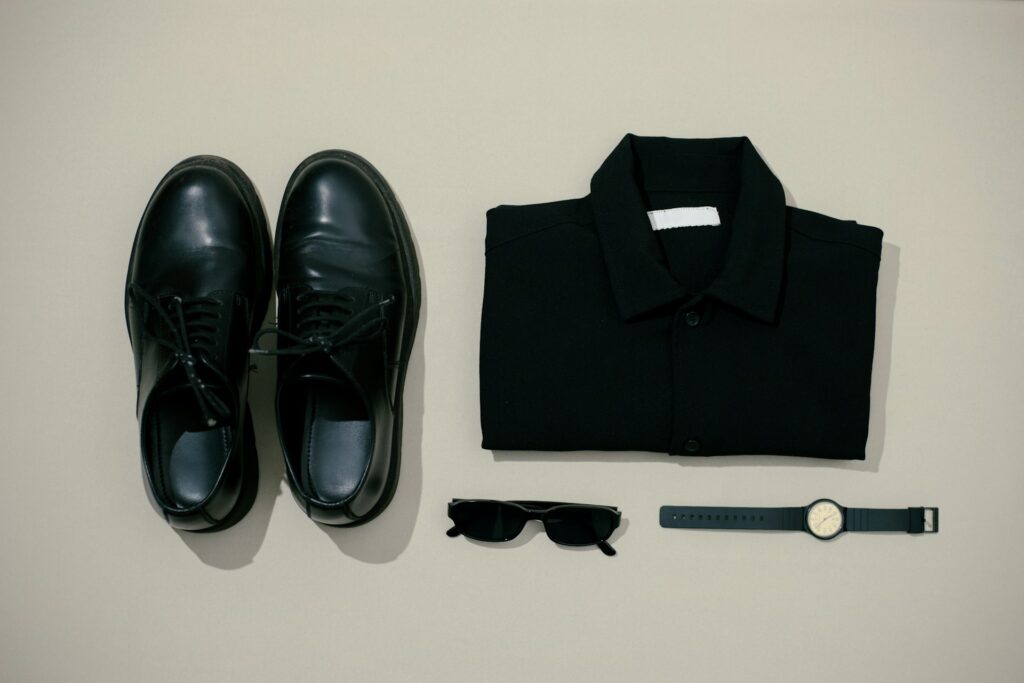
Maybe that’s partly true, but there’s more to it than that. As it turns out, your colour choices reveal much deeper patterns about how you navigate the world. The way you dress is a direct reflection of your psychological relationship with visibility, control, and self-protection.
1. You prefer blending in rather than standing out.

Black allows you to move through spaces without drawing attention because you’ve learned that visibility often brings unwanted scrutiny or judgement. You’d rather be overlooked than risk someone forming negative opinions about your appearance or choices.
That invisibility strategy works in professional settings but might be limiting your personal relationships where being memorable and distinctive actually helps people connect with you. Consider adding one colourful piece to see how it feels to be slightly more noticeable.
2. You use your wardrobe as emotional armour.

Black feels like protection because it creates psychological distance between you and the world, making you feel less vulnerable to criticism or rejection. Your clothing choices reflect a defensive mindset, where you’re constantly preparing for potential threats to your self-esteem.
While this armour provides security, it might also be keeping genuine connections at arm’s length because people perceive you as more serious or unapproachable than you actually are. Softening your look occasionally could invite warmer interactions.
3. You overthink decisions to avoid making mistakes.

Black eliminates the risk of clashing colours, inappropriate choices, or fashion mistakes because it’s universally acceptable in almost every situation. Your colour choice reflects someone who prefers guaranteed safe outcomes over potentially better but riskier options.
Risk-averse thinking probably extends beyond your wardrobe into career choices, relationships, and life decisions where you choose the safe path rather than the exciting one. Sometimes the biggest risk is never taking any risks at all.
4. You value efficiency over self-expression.

Getting dressed takes minimal mental energy when everything matches, which appeals to your practical nature that prioritises function over form. You see clothing as a necessity rather than an opportunity for creativity or personal expression.
Having an efficiency mindset serves you well in many areas, but completely eliminating the expressive aspect of dressing might be cutting you off from a simple daily opportunity to connect with your personality and mood.
5. You’re afraid of being judged for your authentic tastes.

Choosing black means never having to defend your colour preferences or risk someone thinking your actual style is weird, childish, or inappropriate. You’ve learned that having no obvious personal style is safer than having one that other people might criticise.
Your fear of aesthetic judgement probably influences other areas where you hide your true preferences to avoid potential criticism. Your actual tastes deserve expression, and most people respect authenticity more than they judge personal choices.
6. You associate seriousness with competence.

Black communicates professionalism and maturity, which feels important because you want to be taken seriously in work and social situations. You believe that appearing fun or playful through your clothing choices might undermine your credibility.
While black does convey authority, competence actually comes from your skills and behaviour rather than your colour choices. People can take you seriously even when you wear colours that reflect personality and warmth.
7. You struggle with decision fatigue in other areas.

Simplifying your wardrobe reduces daily decisions because you have limited mental energy for choices that feel unimportant. It suggests you’re probably overwhelmed by decisions in other areas of your life and need to eliminate complexity wherever possible.
While wardrobe simplification helps with decision fatigue, addressing the root causes of your mental exhaustion might be more effective than just removing choices. Consider what’s draining your decision-making energy in the first place.
8. You equate minimalism with sophistication.

Black fits your aesthetic philosophy that less is more, and that restraint demonstrates refined taste. You see people who wear lots of colours as lacking sophistication or trying too hard to get attention.
A minimalist mindset reflects someone who values subtlety and understatement, but true sophistication includes knowing when to add elements for warmth, personality, or joy. Sometimes more actually is more meaningful than less.
9. You use clothing to maintain emotional distance.

Black creates a barrier that keeps people from getting too close too quickly because it doesn’t invite casual conversation or personal questions about your choices. You prefer relationships that develop slowly based on substance rather than surface-level connections.
While this approach filters for deeper connections, it might also be preventing some genuine relationships from forming because people perceive you as uninterested in casual friendliness or social warmth.
10. You’re more comfortable receiving compliments on your work than your appearance.

Dressing in black means most feedback focuses on your accomplishments rather than your style choices, which feels safer because professional praise feels more legitimate than aesthetic compliments. You don’t trust positive comments about your appearance.
Your discomfort with appearance-based attention might stem from past experiences where your looks were criticised or overly emphasised. Learning to accept compliments about your style choices could help you become more comfortable with positive attention generally.
11. You believe your personality should speak louder than your clothes.

Black allows your character, intelligence, and achievements to take centre stage without distraction from flashy clothing choices. You want people to notice your mind and actions rather than your fashion sense.
While this approach ensures people focus on substance, completely eliminating visual self-expression might be depriving other people of cues about your personality and interests. Your clothes can reflect your character rather than competing with it.
12. You use fashion rules to avoid making autonomous choices.

Black is always “correct” according to style experts, which means you never have to trust your own aesthetic instincts or risk being wrong about fashion. Following established rules feels safer than developing your own sense of style.
Following the rules might be limiting your confidence in other areas where you defer to external authorities rather than trusting your own judgement. Your personal preferences are valid even when they don’t match conventional wisdom.