When a man gets cheated on, they experience a whole lot more than basic heartbreak—it can cause a full-blown identity shake-up.
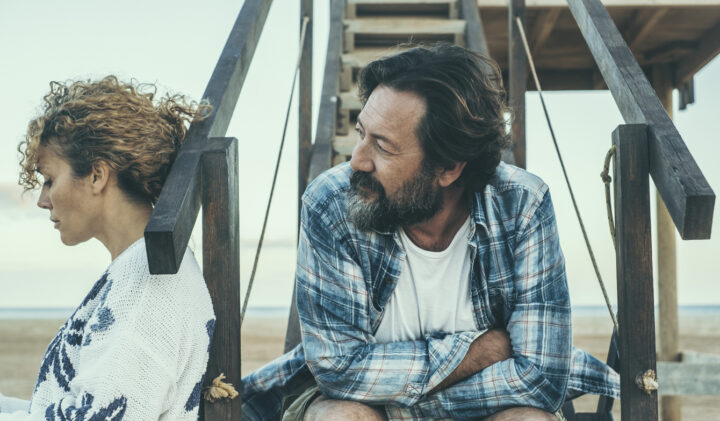
Society doesn’t exactly make space for men to grieve relationship betrayal openly. Instead, they’re expected to laugh it off, find a rebound, or just “man up.” But that doesn’t stop the impact from hitting them incredibly hard. Being betrayed in such a way by someone you trust hurts for everyone, but here’s what being cheated on often feels like for men beneath the silence, the humour, or the deflection.
It hits their self-worth harder than they expected.
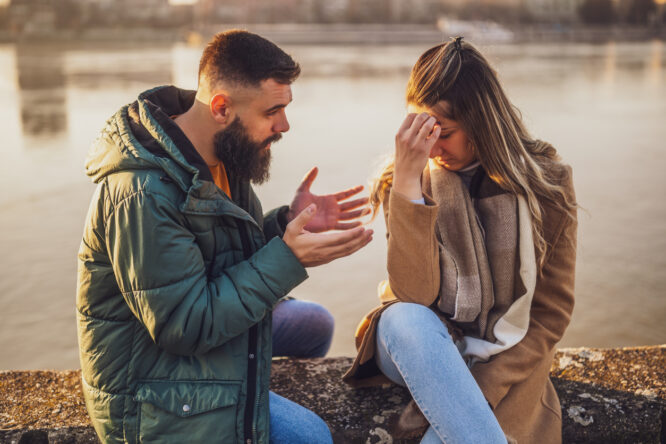
Even if they saw it coming, many men are blindsided by just how personal it feels. It’s not just “she cheated”—it becomes “I wasn’t good enough.” That sting often hits quietly but deeply, especially if they’ve tied their value to being reliable, loyal, or emotionally invested.
Because there’s less space for men to express hurt openly, they might not talk about this part much. But the sense of being replaceable or unappreciated can leave a lasting dent in how they see themselves in future relationships.
There’s often a mix of anger and shame.

Anger is usually the first thing people see, but underneath, there’s a strong thread of embarrassment too. Men are often socially conditioned to be the “protector” or the one in control. Getting cheated on can feel like failure, even when it’s not their fault. They might feel humiliated, especially around friends or family, which makes it harder to admit just how much it hurts. So the anger stays on the surface while the shame goes underground, feeding the emotional aftermath.
They question their instincts.

Trust is a big one, and when it breaks, men often start doubting their ability to read people, especially if they thought everything was fine. The internal questioning can be brutal: “How did I not see it?” or “Was I really that naive?” That second-guessing can quietly follow them into future relationships. Even if they want to trust again, part of them is still running damage control, constantly scanning for signs they missed the first time.
They might not let themselves grieve.

Because grief often gets labelled as weakness, a lot of men don’t give themselves permission to sit with the sadness. Instead, they might throw themselves into work, distractions, or dating again before they’re ready. The problem is that unprocessed grief doesn’t disappear—it just gets buried. Unsurprisingly, buried grief tends to resurface in subtle ways, whether that’s through emotional distance, quick tempers, or difficulty feeling close to someone new.
Humour becomes the mask.

Jokes are a safe way to say “this hurt” without actually saying it. A lot of men will laugh about being cheated on, downplay the seriousness, or turn it into a self-deprecating anecdote. However, that doesn’t mean it didn’t cut deep. Humour helps them save face, sure, but it can also keep people at arm’s length, especially if no one ever digs beneath the punchline to check if they’re genuinely okay.
The betrayal feels like a threat to their masculinity.

It’s not just that someone cheated. For many men, it feels like a reflection on how “manly” they are—whether they were desirable enough, successful enough, dominant enough. These are the messages culture feeds them, even if they don’t believe in them consciously. And so, on some level, betrayal can feel emasculating. That’s a heavy emotional load to carry, especially when vulnerability isn’t something they’re taught to embrace.
They might not talk about it at all.
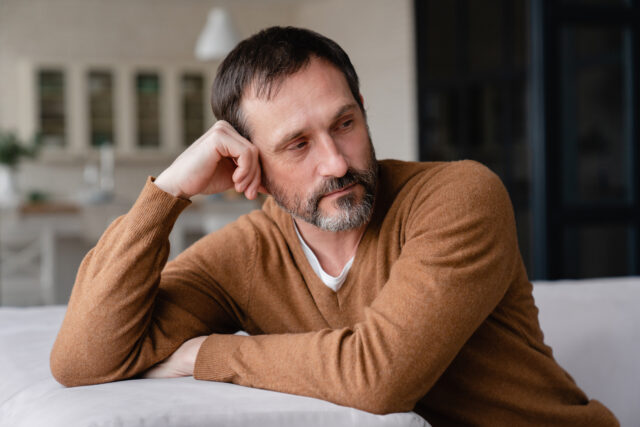
Women are often encouraged to vent, cry, process things with friends. Men? Not so much. Many will keep it all in, worried about seeming bitter, weak, or overly emotional. Instead, they go silent. And while silence might look like strength, it often means they’re dealing with the fallout alone, without the validation or support they actually need.
They start keeping people at a distance.

After being cheated on, some men subconsciously decide it’s safer not to get too close again. Emotional intimacy starts to feel risky, even if they want it. So they build walls instead—just high enough to protect themselves, but low enough to pretend they’re fine. It’s a lonely place to be, and because many men don’t realise they’re doing it, they end up wondering why new relationships feel disconnected or unsatisfying.
Their view of love takes a hit.

It’s not uncommon for men to come out of betrayal more cynical. Where they once believed in loyalty, connection, or effort, they now feel guarded or disillusioned. Love becomes something to analyse, not something to trust. That change isn’t always obvious at first, but it can lead to either detachment or overcompensation—trying too hard to prove they’re not going to get hurt again, even at the cost of authenticity.
10. They might want closure, but don’t know how to ask for it.

Closure helps with healing, but when you’ve been raised to act like nothing gets to you, asking for it feels vulnerable, or maybe even pathetic. So a lot of men just sit with the unanswered questions, unsure how to make peace with what happened. They may hope time will do the job, but without reflection or clarity, the confusion often lingers. That unresolved space makes it harder to trust the next person fully, no matter how safe they might seem.
11. They’re often expected to just move on.

There’s a double standard when it comes to emotional recovery. A woman processing betrayal is seen as healing. A man doing the same is seen as “dwelling.” So instead of support, he might get told to “get over it” or “go out and have fun.” That kind of pressure can lead to premature rebound relationships or avoidant behaviour, neither of which actually deal with the emotional wreckage underneath.
They rarely admit how much it affected them.

Even years later, many men will still brush it off like it wasn’t a big deal, but it was. It shaped how they see love, trust, and themselves. Some will never talk about it, but you’ll see the effects in how careful they become around closeness. That guardedness isn’t coldness, it’s protection—and the people who get close to them later on might never realise what they’re tiptoeing around unless he finally decides to open up.
They’re terrified that it’ll happen again, even if they don’t show it.

The risk of being cheated on again quietly hangs in the background, especially when men haven’t fully processed the first time. They might overanalyse small things in a new relationship or struggle with jealousy that feels irrational but very real. This fear rarely gets voiced. But it can shape how emotionally available they are, how long they take to commit, and how much they hold back, even when they’re deeply invested.
They carry it longer than they let on.

Because it’s rarely talked about, many men carry the pain of being cheated on for far longer than they, or anyone around them, realise. It sits beneath other struggles, feeding into things like low confidence, anxiety, or emotional disconnection. They may not cry, vent, or spiral in the way people expect heartbreak to look. But that doesn’t mean it didn’t leave a scar. It just means the scar got hidden under silence, humour, or the phrase “it is what it is.”
They want to heal—once it feels safe.

Most men want to move forward, but healing takes more than time. It also takes the right space, somewhere they can actually feel without judgement. Somewhere they don’t have to act fine or “strong” all the time. Somewhere they can be seen, not just expected to recover silently.
When that space finally shows up—whether in therapy, a new relationship, or just a conversation that hits differently—real healing becomes possible. But until then, a lot of men are just quietly carrying more than they’ll ever admit.
It doesn’t make them weaker—it just makes them human.
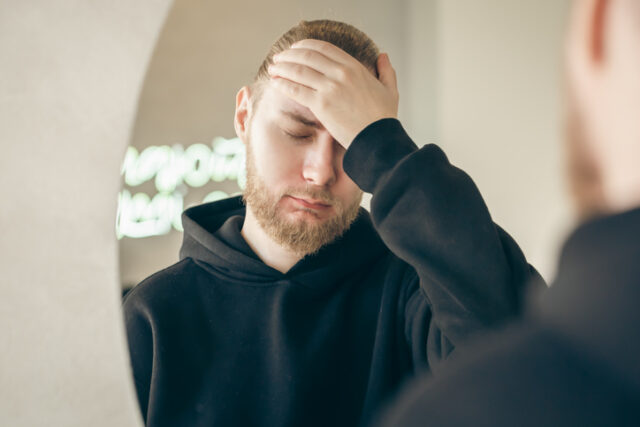
Getting cheated on doesn’t say anything about a man’s worth, masculinity, or emotional strength. It says more about the person who broke the trust. However, given that the world often teaches men to suppress emotion, betrayal becomes more than heartbreak—it becomes a test of how much they’re “allowed” to feel.
The truth is that feeling it all—anger, sadness, confusion—isn’t weakness. It’s what actually makes healing possible. The men who allow themselves to feel it are the ones who come out wiser, kinder, and stronger on the other side.