The St. George flag has never been more controversial than it is right now.
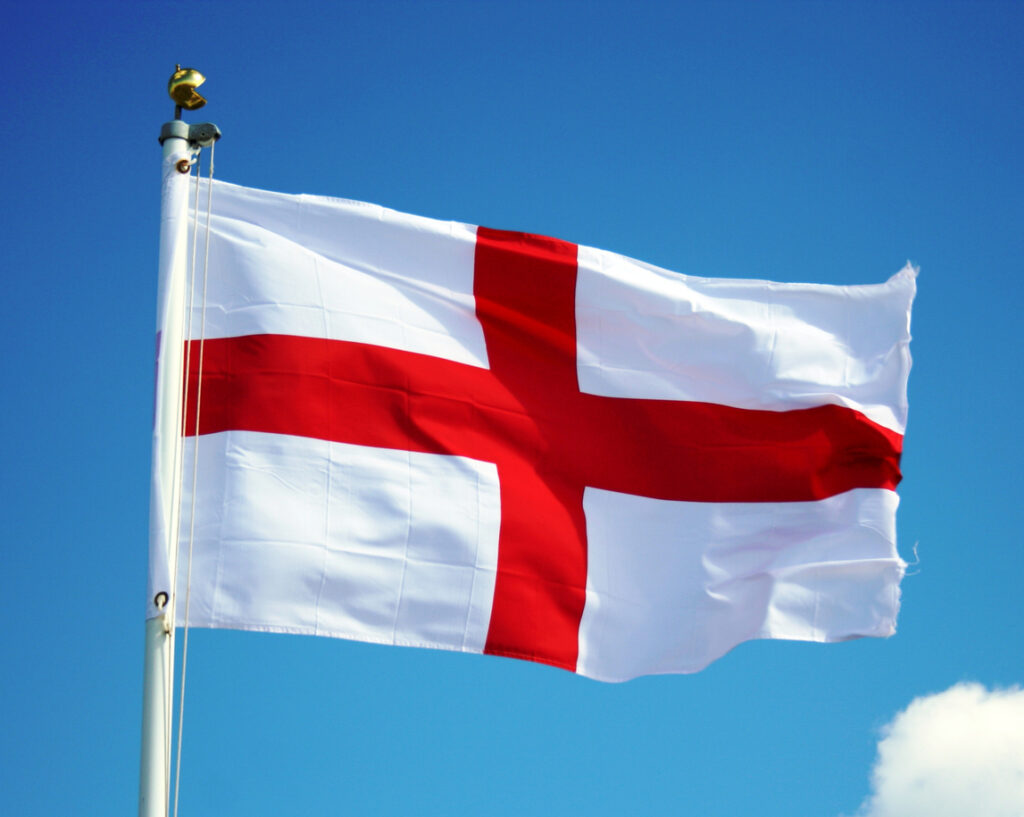
People around England are caught in a heated debate about what this simple red cross on white background actually represents in modern Britain. In recent months, we’ve seen thousands of these flags appear across the country as part of “Operation Raise the Colours,” a grassroots campaign that started in August 2024 and has led to intense and passionate national discussion.
1. It’s become the centre of a massive cultural battle.
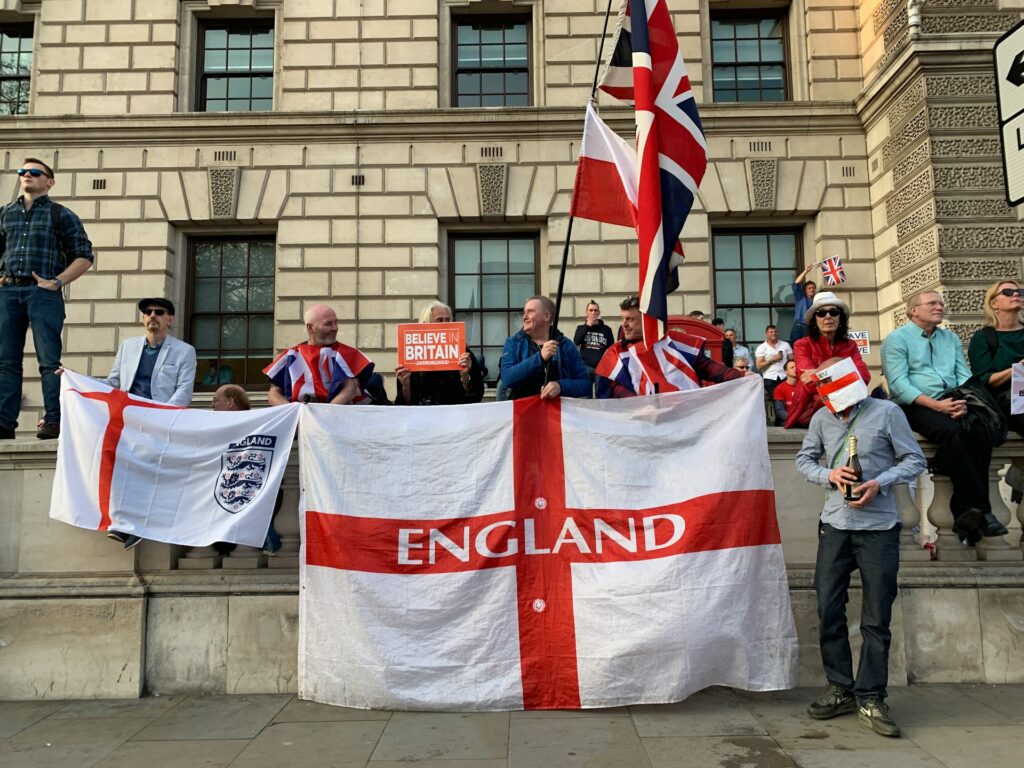
The flag campaign has divided the nation, with supporters insisting it’s pure patriotism, while critics see it as a hostile statement of far-right sentiment. The controversy has even gone global, with Elon Musk posting pictures of the flag on X and US Vice President JD Vance urging people to “push back against the crazies” who criticise flying it.
What started as local displays has become a national conversation about who gets to define English identity. The debate reflects deeper tensions about immigration, belonging, and what it means to be patriotic in multicultural Britain today.
2. Many people find it genuinely intimidating.
When a St. George’s Cross was painted on a church wall in Lincoln, the vicar saw it as a clear “attempt to intimidate” the diverse local community, saying the flag “has become a symbol of nationalism, which has become confused with patriotism”. People in minority groups have said the flags popping up have made them feel uneasy.
A YouGov survey found that 27% of people view flying the English flag unfavourably, compared to just 19% for Scotland’s flag and 18% for Wales’ flag. This isn’t just politics. Many British people genuinely feel uncomfortable when they see St. George flags in certain contexts.
3. It’s been hijacked by far-right groups.
Anti-racist organisation Hope Not Hate reports that Operation Raise the Colours was co-founded by people with alleged links to the English Defence League and Britain First, with support from figures like Tommy Robinson. The campaign has been supported by several far-right organisations, including the fascist political party Britain First.
A 2012 survey revealed that 24% of English people considered their own flag racist, compared to just 10% of Scots and 7% of Welsh people. The association with extremist groups has genuinely damaged how many English people view their own national symbol.
4. The timing makes it politically charged.
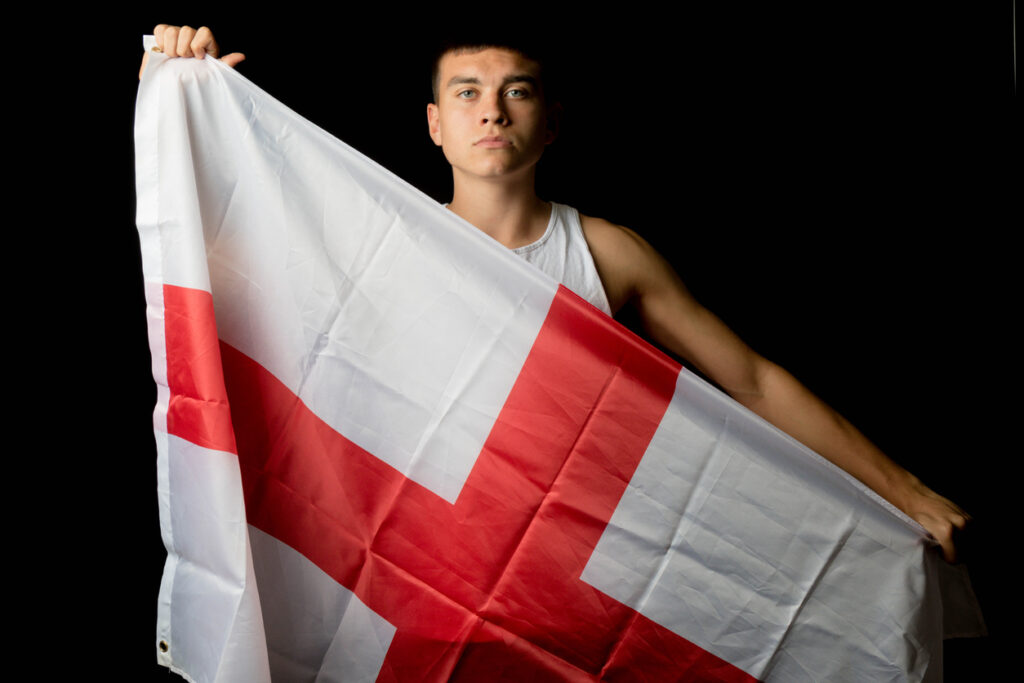
All this comes as immigration has become the top issue for voters in England, overtaking the cost-of-living crisis. Operation Raise the Colours began in August 2024, shortly after the British anti-immigration protests that led to over 1,800 arrests. The flag displays often cluster around asylum hotels, making the political message clear.
42% of the British public see the flag campaign as a political statement against migrants, though many individual flag-raisers might not be aware of the underlying messaging. Context matters enormously when it comes to political symbols.
5. Councils are stuck in an impossible position.
Local councils have had to walk a fine line, with some removing flags from public property for “safety reasons” while allowing them on private homes. Flags have been appearing on lampposts, painted on mini-roundabouts, and strung across streets, with councils quickly removing them only to see them reappear.
Nick Ireland, leader of Dorset Council, called the flag displays “intimidating” and said far-right groups had appropriated St. George’s flag to advance their political objectives. Councils face criticism whether they remove the flags or leave them up.
6. It’s different from other countries’ relationship with their flags.
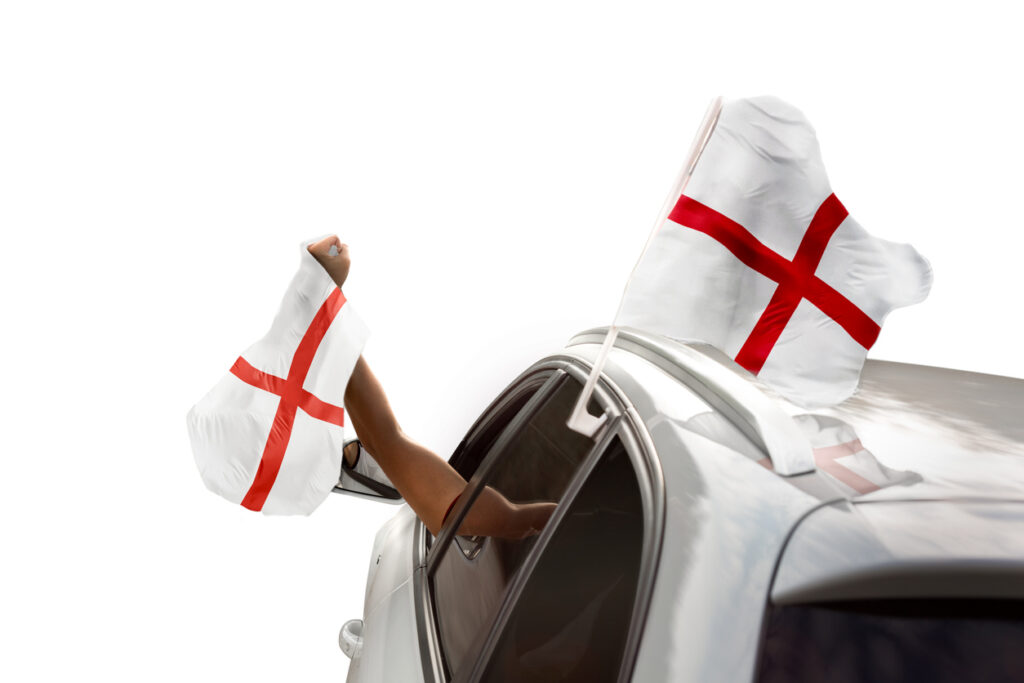
Unlike the United States, where acts of overt patriotism are celebrated, England has a more nuanced relationship with St. George’s Cross. In a country where displaying your national flag spontaneously would be considered “quite intense” and “needlessly political,” this mass flag campaign feels deliberately provocative.
In Stevenage, one flag-raiser said he wanted to fly his national flag “like you see on holiday in Greece or Spain,” highlighting how unusual constant flag displays are in English culture. Britain simply doesn’t have America’s flag-flying tradition.
7. Social media has amplified the controversy.

During recent anti-immigration protests, Elon Musk posted 46 times generating 808 million impressions, including claiming “civil war is inevitable” in the UK. The movement has used social media platforms like Telegram, Facebook, and WhatsApp as its nervous system, coordinating flag displays across the country.
Anti-racist group Hope Not Hate has reported that Musk has used his 223 million X followers to voice support for Tommy Robinson and other far-right figures in Britain. Online amplification has turned local displays into a national movement.
8. Many genuine patriots are caught in the middle.
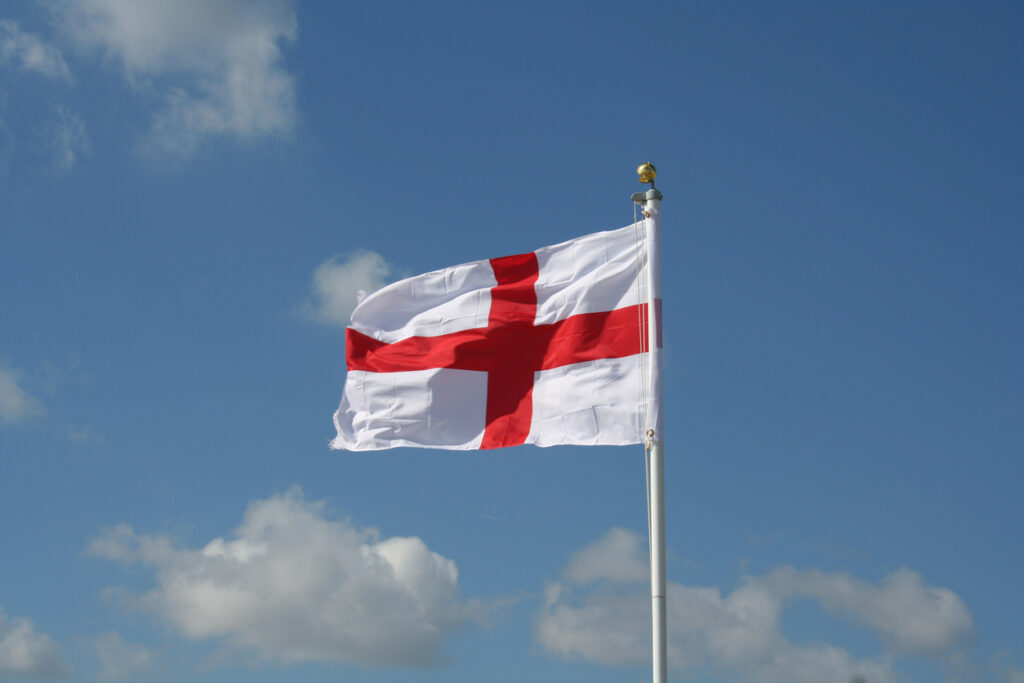
Louis Turvey, who has Roma heritage and raised flags in Stevenage, said he was motivated by positive patriotism and had “no far-right or hostile feelings”. The movement includes “those who perhaps genuinely are just proud to live in England” alongside those with anti-immigration opinions and far-right groups.
57% of people still have a favourable view of flying St. George’s Cross, showing that many English people want to reclaim their flag from extremist associations. The challenge is separating genuine patriotism from political messaging.
9. It’s creating real division in communities.
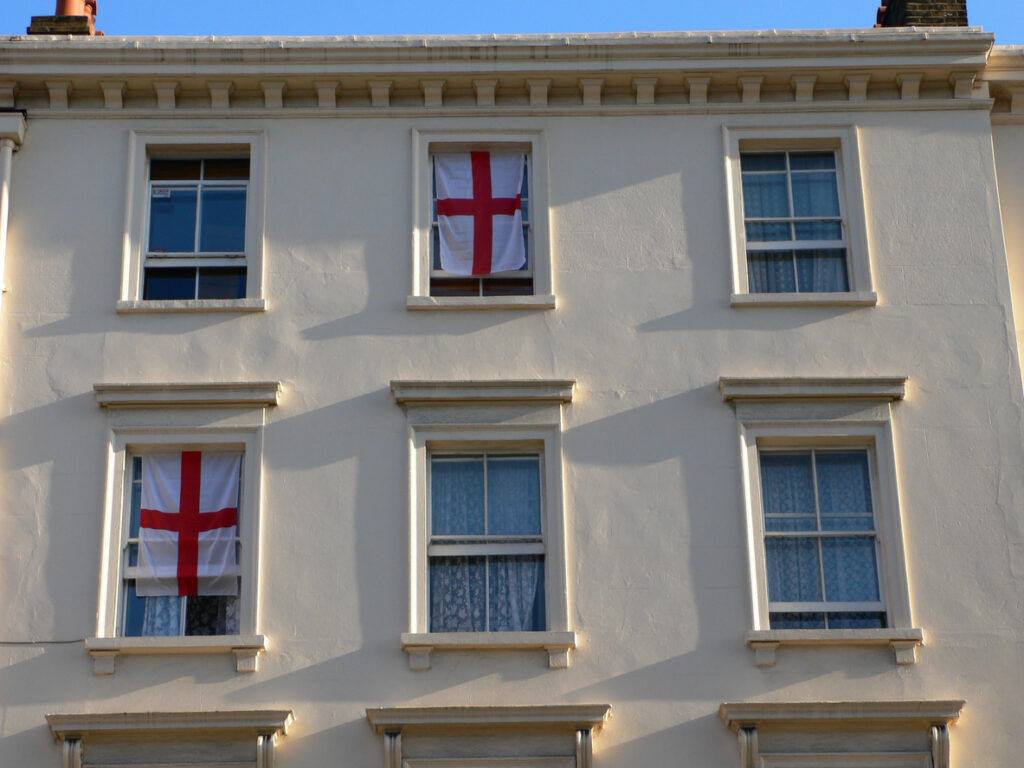
The campaign has been compared to Northern Ireland’s sectarianism, where different hostile groups paint murals and raise flags to mark territory. In some areas, immigrant communities have reportedly stripped Union Jacks from poles and replaced them with Pakistani flags.
Areas like Tower Hamlets, which has become a “flashpoint for anti-migrant protests,” have seen all flags removed from council property. The flag displays are genuinely changing how people feel about their neighbourhoods and communities.
10. Politicians are struggling to respond.
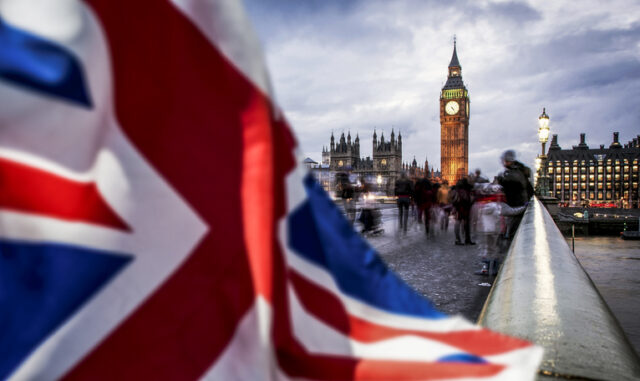
Political figures from Conservative, Reform UK, and Labour parties have all welcomed the campaign in various ways, but some worry that by treating it simply as pride in “British values,” Labour is refusing to speak out against far-right groups to avoid losing votes to Reform UK.
Prime Minister Keir Starmer has warned of a “never-ending fight for our flag and what it represents” while expressing concerns about the far-right claiming ownership of St. George’s Cross. Politicians are walking a tightrope between patriotism and extremism.
11. The flag’s history makes it complicated.
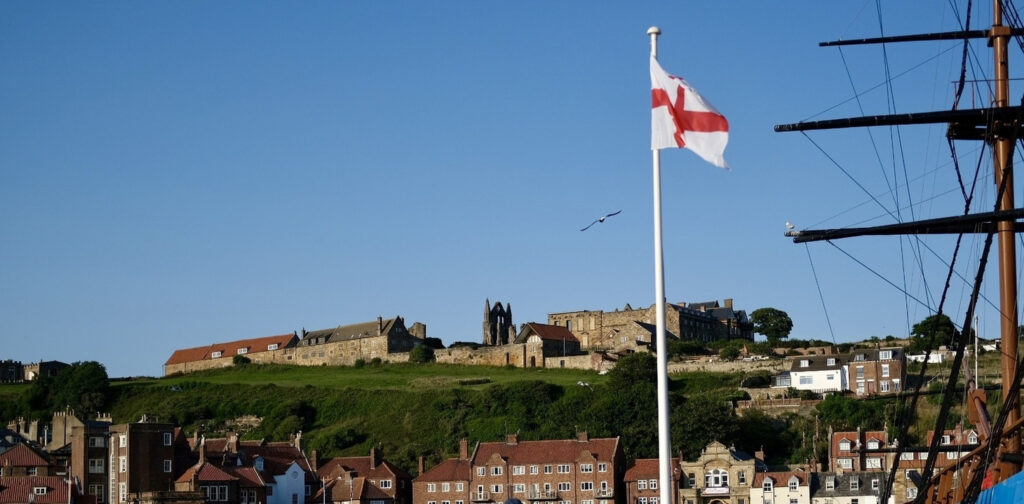
St. George was actually a Greek-speaking Roman soldier born in modern-day Turkey who never set foot on British shores. He’s also the patron saint of Catalonia, Georgia, Lithuania, Palestine, Portugal, Germany, Greece, Moscow, Istanbul and Genoa, making England’s exclusive claim somewhat ironic.
The flag’s prominence during hooligan violence in the 1970s and ’80s left it with an aggressive reputation, while its association with “extreme street hooligans of the English Defence League” has “toxified” the symbol for many people.
12. It reflects deeper anxieties about national identity.
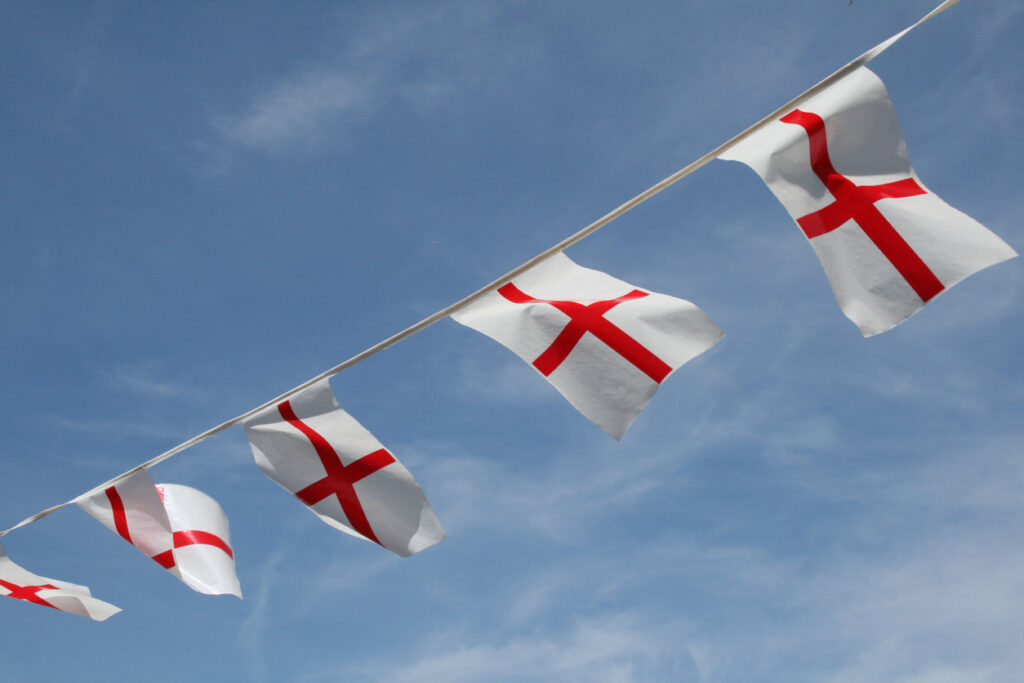
The flag has become a flashback to “a time when all that most English people had to be proud of was the flag” before the country developed better schools, free healthcare, and innovation. The debate at the heart of Operation Raise the Colours is fundamentally about identity and who gets to define English patriotism.
As many Britons become increasingly concerned about rising prices, failing public services, housing shortages, and immigration, the flag has become a way to express frustrations that go far beyond simple patriotism. It’s a symbol of much deeper national anxieties.