The saying “age like a fine wine” implies that some people just get better with time, and it’s true.

However, that has nothing to do with how you look. It’s about finally having a body that works with you rather than holding you back. When you get fitter over the years, You move better, rest easier, and handle life with more steadiness than you ever did in your so-called prime.
More than anything, it’s about feeling like you’ve finally cracked the code of knowing what your body needs, what actually matters, and what’s no longer worth chasing. Here’s what it’s like when you just keep getting better with every passing year.
1. You’re not doing it to prove anything anymore.
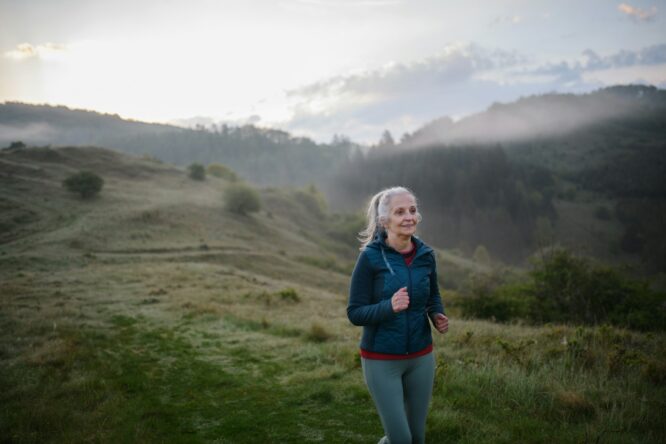
When you were younger, fitness often came with a side of pressure. Whether it was about meeting a certain standard, keeping up with other people, or getting validation, there was usually a sense that you were performing for someone else. Now, there’s no need for that. You take care of your health because you’ve seen what happens when you don’t, and the motivation is entirely your own.
This shift in purpose brings a sort of ease that wasn’t there before. You’re not constantly measuring yourself against impossible benchmarks, and you’re no longer burning out trying to be someone else’s idea of “in shape.” You move because it supports the life you actually want to live, and that makes all the difference in how you approach it.
2. Your energy actually lasts.

In your 30s, you might’ve had the ability to push through long days, but the quality of that energy probably wasn’t great. It was often patched together with caffeine, adrenaline, or just habitually running on empty. Now, the energy you feel comes from something deeper. It’s built on real rest, steady movement, better food, and habits you’ve spent years fine-tuning.
Because of that, you don’t just survive your day, you’re actually present in it. You’re not dragging your body through the motions while your mind checks out. You have enough left at the end of the day to enjoy things, and that energy feels far more valuable than anything you had in your younger years.
3. You finally understand what works for your body.

There’s a big difference between doing what everyone else is doing and doing what actually suits your body. Over the years, you’ve tried the fads, pushed through routines that didn’t feel right, and forced yourself into structures that didn’t last. Now, you know better. You’ve figured out what type of exercise leaves you feeling stronger rather than sore, and what kind of rhythm actually fits into your life.
This clarity doesn’t come from reading articles or copying other people. It comes from paying attention and learning through experience. You’ve built a relationship with your body that’s based on trust, not punishment. That alone makes your fitness feel less like a battle and more like a reliable part of your daily life.
4. You respect your limits, but you’re not afraid of them.
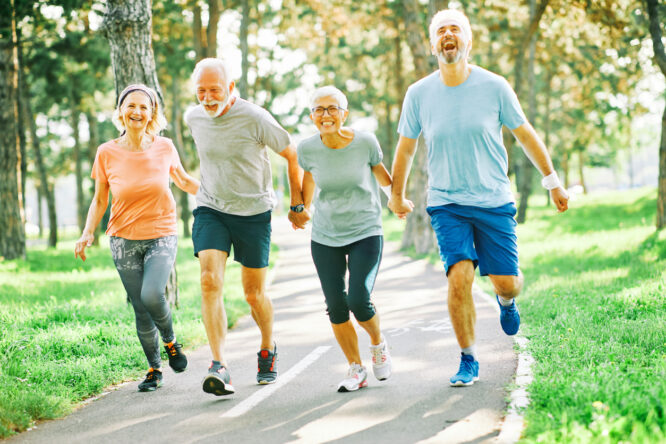
There’s something powerful about knowing when to pull back and when to push forward. In your younger years, limits were often ignored in favour of “no pain, no gain” thinking, but now, you understand that listening to your body isn’t weakness, it’s wisdom. You’re not scared of effort, but you no longer confuse pain with progress.
This respect gives you longevity. You train in a way that keeps you consistent instead of sidelined. You stretch when you need to, you rest without guilt, and you recognise the difference between discomfort and danger. Because you’ve built that awareness, you recover faster and keep going longer, which matters more than ever now.
5. You enjoy your body more now than you ever did before.
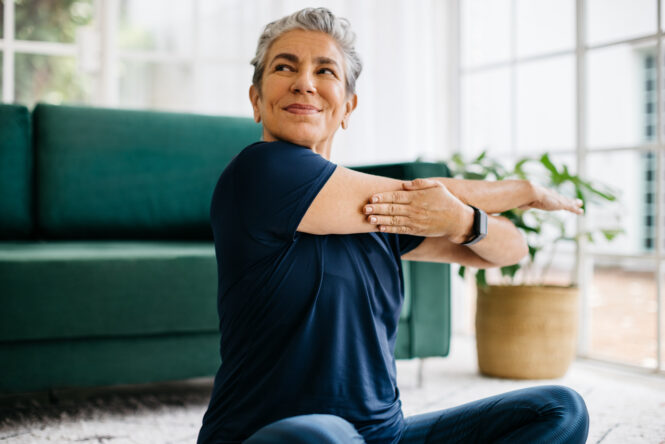
In your 30s, it was easy to focus on what your body wasn’t: how it didn’t look, what it couldn’t do, where it fell short. Now, the perspective has changed. You’re more impressed by what your body allows you to do every day, whether it’s climbing stairs without hesitation, lifting groceries without strain, or walking for hours without stiffness creeping in.
That pride doesn’t come from looking in the mirror; it comes from living in your body and seeing it show up for you. You feel stronger, more capable, and less preoccupied with flaws that used to seem important. It’s not about chasing a certain image. It’s about being able to live your life fully without your body getting in the way.
6. You recover faster, and you know how to help it along.
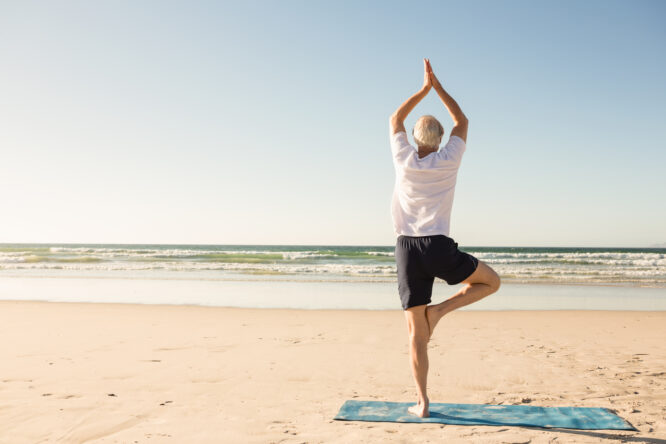
Recovery isn’t an afterthought anymore. It’s something you pay attention to because you’ve experienced what happens when you don’t. You know that mobility work, good sleep, and daily movement matter just as much as the workouts themselves. There’s no pushing through pain or skipping rest “just to stay on track.”
Instead, you’ve created a rhythm that includes space for your body to heal and adjust. You take recovery seriously, not because you’re fragile, but because you’re experienced. And by making that part of your approach, you avoid the cycles of injury or burnout that were all too common when you were younger.
7. You’ve let go of the guilt around food and movement.

Back in the day, it was easy to fall into the guilt loop of working out to burn off a meal, eating clean to “deserve” rest, and viewing food through a lens of punishment or reward. That mindset is exhausting, and thankfully, it doesn’t stick around forever. These days, you eat well because it helps you feel good, and you move because it improves your life, not because you’re trying to undo anything.
The pressure has lifted, and what’s left is balance. You’re not swinging between extremes or chasing some illusion of perfection. You’ve developed a more forgiving, respectful relationship with your body, and it shows in how you carry yourself, not just how you move or eat.
8. You don’t need loud motivation anymore.
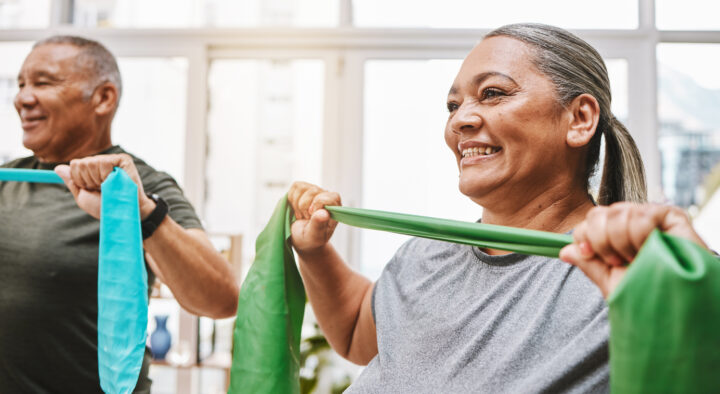
There was a time when you needed external hype to get going, whether that was blasting music, joining high-energy classes, or relying on pep talks just to show up. Now, the drive comes from somewhere deeper. You’ve seen how much better you function when movement is part of your life, and that’s enough to keep you going.
It’s no longer about hitting a high; it’s about maintaining something that genuinely supports your wellbeing. You’re not chasing adrenaline. You’re building consistency. And because your motivation isn’t based on temporary boosts, it’s far more likely to stick around for the long haul.
9. You stop comparing yourself to everyone else.
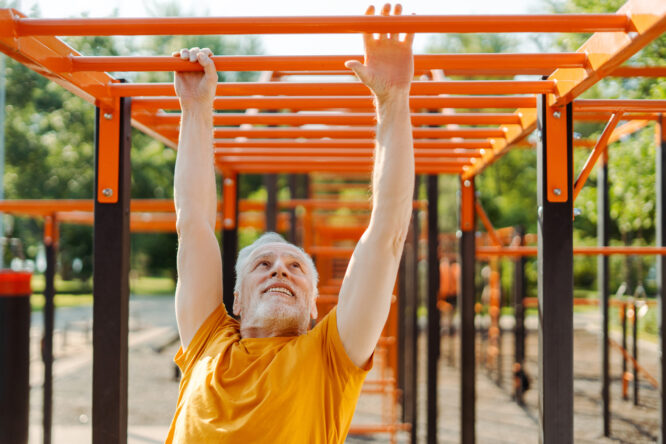
Comparison used to creep in easily, whether it was watching other people at the gym or scrolling through curated fitness content online. These days, it barely registers. You’ve spent enough time with yourself to know that your journey doesn’t need to match anyone else’s. Your progress is measured by how you feel, how you function, and how you live, not by how someone else looks.
That freedom brings relief. You’re not stuck trying to catch up with someone else’s pace. You’ve defined your own, and that clarity makes your routines feel less like pressure and more like support. Fitness becomes something you enjoy, not something you perform, and that changes everything.
10. Your mental clarity improves along with your strength.

Physical fitness doesn’t just change your body; it changes the way your mind works. When you’re consistent with movement, you notice that your thoughts feel clearer, your stress feels more manageable, and your patience grows. That connection becomes hard to ignore, especially as the demands of life continue to evolve.
You might not have noticed it in your younger years, but now it’s obvious: staying active is one of the best ways to stay emotionally steady. When everything else feels unpredictable, your routine becomes an anchor, and that mental clarity is often what keeps you coming back.
11. You trust your body more now than you did when you were younger.

Confidence doesn’t always come from being the strongest or fastest person in the room. It often comes from knowing you can rely on your body to show up when it counts. At 60, that trust has been earned. You’ve been through injuries, setbacks, and restarts, but you’ve also seen your body improve in ways you didn’t think were possible.
This trust means you don’t hesitate like you used to. You don’t second-guess your ability to lift, walk, stretch, or try something new. You’ve proven to yourself, again and again, that you’re capable, and that belief stays with you whether you’re in the gym or just going about your day.
12. You appreciate movement in a different way.
In your 30s, movement may have felt like a task to tick off: a way to burn calories, meet goals, or check boxes. Now, it feels like something you get to do. You notice the ease of carrying things without strain, the way your knees no longer ache when you stand up, or the freedom of going for a walk without needing to rest halfway.
It’s no longer about chasing visible changes. It’s about holding onto the independence, strength, and comfort you’ve worked hard to build. Movement stops being transactional. It becomes something you’re genuinely grateful for, and that gratitude makes every step forward feel like a small win.
13. You realise it’s not too late, and it never was.

There’s a common belief that after a certain age, the window for real change closes. But the truth is, being fitter at 60 than you were at 30 proves otherwise. Your body still adapts, your mind still benefits, and your habits still make a difference. You haven’t missed your chance; you’ve just finally had the space, perspective, and motivation to do it properly.
That understanding doesn’t just change how you move. It changes how you live. You stop thinking in terms of deadlines and start thinking in terms of possibilities. And once you realise that improvement is always available to you, it becomes much easier to believe that your best years aren’t behind you; they’re still unfolding.